

Yoga and Meditation: A Deep Dive into Benefits for Well-being
In today’s fast-paced world, finding a sanctuary of tranquility is more critical than ever. With the rise of mindfulness, yoga and meditation have emerged as cornerstone practices for enhancing mental and physical health. Consequently, millions are turning to these ancient disciplines to navigate the stresses of modern life. This article explores the profound benefits of integrating yoga and meditation into your daily routine, creating a sustainable path toward a more balanced and centered life, potentially enhanced with tools like the Vitalizen App.
The Powerful Synergy Between Yoga and Meditation
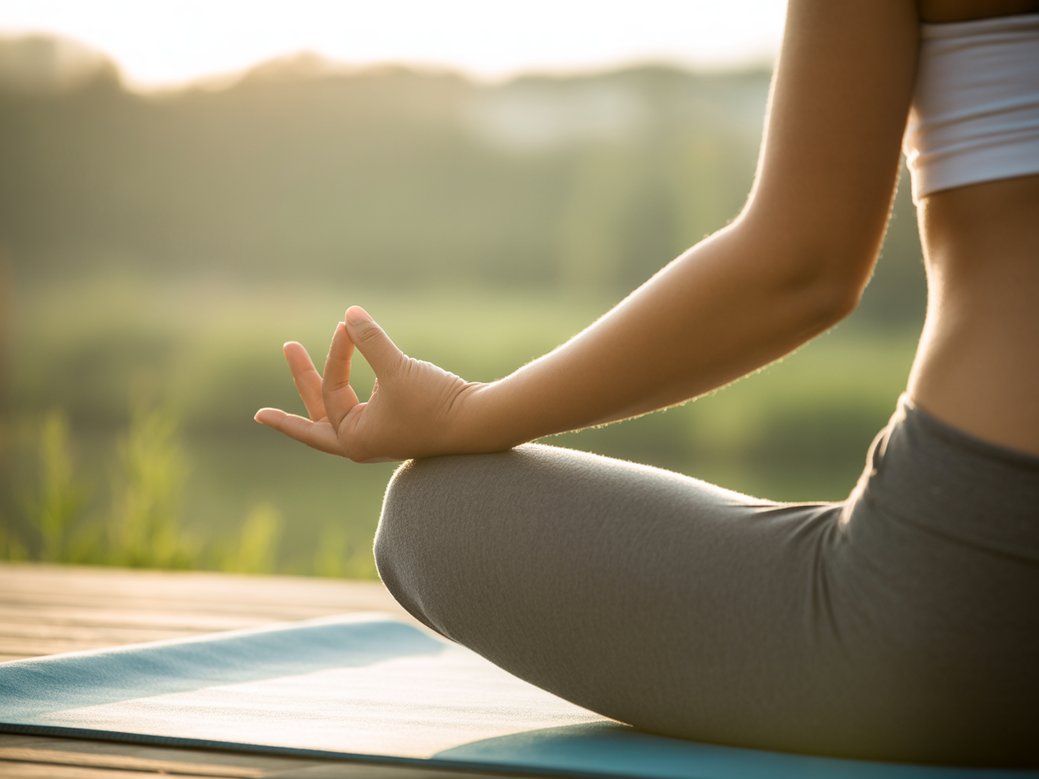
While often mentioned together, yoga and meditation are distinct yet deeply interconnected practices. Yoga primarily uses physical postures (asanas), controlled breathing (pranayama), and ethical principles to forge a powerful union between body and mind. Meditation, conversely, is a practice dedicated to training the mind, cultivating a state of deep awareness and profound inner quiet.
When combined, they create a holistic system that nurtures every aspect of your being. A consistent yoga practice releases physical tension and stress, which prepares the body for the stillness required in meditation. This synergy makes it significantly easier to achieve a state of deep, restorative relaxation and mental clarity. The physical practice of yoga and meditation becomes a moving meditation, setting the stage for stillness.
💡 Tip: Start with 10 minutes of gentle yoga to release bodily tension before sitting for a 5-minute meditation. Notice how the physical movement enhances your ability to find mental stillness.
Key Physical Benefits of a Consistent Practice
The physical rewards of a regular yoga routine are widely recognized and extensively backed by scientific research. By integrating asanas and pranayama into your life, you can unlock significant, tangible improvements in your body’s overall function and resilience. These are not just feelings; they are measurable changes.
1. Increased Flexibility and Muscular Strength
Yoga poses, or asanas, are designed to stretch and strengthen every major muscle group. Unlike traditional workouts that can isolate muscles, yoga works them in harmony.
- Enhanced Flexibility: Poses like Downward-Facing Dog and Warrior series systematically lengthen muscles and improve the range of motion in your joints.
- Core Strength: Many poses, including Plank and Boat Pose, are excellent for building a strong, stable core, which is fundamental to posture and preventing injury.
- Functional Strength: You build strength that translates directly into daily activities, making movements like lifting and bending easier and safer.
2. Improved Posture, Balance, and Respiratory Function
Modern life often encourages poor posture. Yoga directly counteracts this by fostering body awareness and strengthening postural muscles.
- Better Posture: By strengthening your core and back, yoga helps you stand and sit taller, reducing the strain on your spine.
- Greater Stability: Balancing poses like Tree Pose or Eagle Pose train your proprioceptors, enhancing your sense of balance and preventing falls.
- Enhanced Respiratory Efficiency: Pranayama techniques are scientifically proven to increase lung capacity and improve the efficiency of oxygen exchange, as noted in studies on yogic breathing.
3. Reduction in Chronic Pain and Inflammation
For those suffering from chronic ailments, yoga and meditation can be a powerful form of therapy. Many practitioners find significant relief from conditions that once limited their lives.
- Lower Back Pain Relief: Gentle stretches and core strengthening can alleviate chronic lower back pain, a common complaint in sedentary populations.
- Arthritis Management: The low-impact nature of yoga helps to lubricate joints and reduce the pain and stiffness associated with arthritis. For more details, see this article from Johns Hopkins Medicine.
- Reduced Inflammation: Research indicates that regular practice can lower inflammatory markers in the body, contributing to overall health.
How Yoga and Meditation Revolutionize Mental Well-being
Beyond the physical, the mental and emotional rewards of these practices are truly profound. By dedicating time to quiet your mind and connect with your inner self, you are actively investing in your long-term mental health, emotional resilience, and overall happiness.
1. Significant Stress and Anxiety Reduction
Both yoga and meditation are proven to activate the parasympathetic nervous system, shifting the body from a state of “fight or flight” to “rest and digest.” This physiological shift is key to managing stress.
- Lower Cortisol Levels: Consistent practice is shown to lower cortisol, the body’s primary stress hormone, leading to a greater sense of calm.
- Anxiety Management: Mindfulness meditation, a core component of many practices, helps you observe anxious thoughts without getting entangled in them. Studies from government health institutes confirm that mindfulness can help reduce anxiety and depression.
2. Enhanced Focus, Concentration, and Inner Peace
In an age of constant distraction, the ability to focus is a superpower. Meditation, in particular, is a direct training for your brain’s attention centers.
- Improved Concentration: The practice of focusing on a single point, such as your breath, strengthens your ability to concentrate in all areas of life.
- Cultivates Inner Peace: These practices foster a sense of calm and equanimity that you can carry from your mat into your daily challenges.
- Fosters Self-Awareness: Introspection is a natural outcome of yoga and meditation, helping you better understand your thoughts, emotions, and behaviors.
The Vitalizen App is designed to guide you on this journey, offering a rich library of sessions for all experience levels.
How to Start Your Yoga and Meditation Journey Today
Starting a new wellness routine can feel intimidating, but it doesn’t have to be. The key to success is making yoga and meditation accessible and integrating them seamlessly into your life. You can begin with just a few simple, manageable steps.
A Simple 3-Step Plan to Begin:
- Find Your Resource: Your journey can start anywhere. Download a dedicated app like Vitalizen, find free videos online, or join a local studio. The best choice is the one you will use consistently. Visit the Vitalizen website to explore options.
- Explore Different Styles: Don’t be discouraged if the first style you try doesn’t resonate. Sample a variety of guided meditations (like Metta, Body Scan, or Vipassana) and yoga sessions (like gentle Hatha, flowing Vinyasa, or restorative Yin) to discover what you enjoy.
- Start Small and Be Consistent: Whether you have 5 minutes or an hour, there is a practice for you. Consistency is far more important than duration. A 10-minute daily practice is more beneficial than a 90-minute session once a month.
Furthermore, our blog is an excellent resource for in-depth articles, practical tips, and expert guidance on your yoga and meditation journey.
Understanding the Costs of Practice
The financial investment for practicing yoga and meditation can vary widely, making it accessible for nearly any budget. You can start for free or choose to invest in more structured, personalized support.
| Option | Typical Cost (USD) | Best For |
|---|---|---|
| At-Home Practice (Free) | $0 | Self-motivated individuals using free online resources like YouTube or library books. |
| Meditation & Yoga Apps | $10 – $20 / month | Those who want variety, guided instruction, and the flexibility to practice anytime, anywhere. |
| In-Person Studio Classes | $20 – $35 / class | Learners who thrive on community energy and prefer hands-on correction from a certified instructor. |
| Private Instruction | $75 – $150+ / hour | Individuals with specific health goals, injuries, or those who want highly personalized guidance. |
Frequently Asked Questions About Yoga and Meditation
What is the main difference between yoga and meditation?
Yoga primarily involves physical postures and breathing techniques to connect the body and mind, creating a ‘moving meditation.’ Meditation is a more specific practice focused on training the mind to achieve a state of deep awareness and inner peace. Although different, they are highly complementary.
How much time do I need to practice to see benefits?
Even 5-10 minutes of daily practice can make a significant difference in your stress levels and focus. Consistency is more important than duration. The Vitalizen App offers sessions of varying lengths to fit any schedule, from a quick 5-minute meditation to a full 60-minute yoga class.
Do I need any special equipment to start?
For meditation, you only need a quiet place to sit comfortably. For yoga, a yoga mat is recommended for comfort and stability, but you can start with just a comfortable space on the floor. No expensive gear is required to begin your journey with yoga and meditation.
Can I lose weight with yoga?
Yes, yoga can contribute to weight loss. More active styles, like Vinyasa or Power Yoga, are effective at burning calories. Furthermore, the mindfulness developed through a consistent practice can lead to more conscious eating habits, which supports overall weight management goals.
When is the best time of day to practice?
The best time to practice is whenever you can be most consistent. Many people prefer the morning to start their day with focus and energy. Others find an evening practice helps them unwind and improves sleep quality. Experiment to find what works best for your unique schedule and energy levels.
🎯 Ready to transform your well-being? Start your journey with Vitalizen today and discover the life-changing benefits of yoga and meditation. If you have any questions, please feel free to contact us for guidance.