

Your 2025 Guide to Eco-Friendly Yoga Gear
Explore mindfully crafted yoga mats, props, and meditation cushions designed for stability, comfort, and planetary health.
As your yoga practice deepens your connection to your inner self, the tools you use connect you to the world. In 2025, the call for mindfulness extends beyond the mat to the mat itself. Opting for eco-friendly yoga gear is no longer a niche choice but a fundamental aspect of a truly holistic practice. This guide will walk you through why sustainable gear is essential, what to look for, and how to make choices that benefit both your well-being and the environment.
The shift towards sustainability is reshaping the wellness industry. Eco-friendly yoga gear is defined by its entire lifecycle—from the sourcing of natural, renewable, and biodegradable materials to manufacturing processes that minimize harm to the Earth. It stands in stark contrast to conventional gear, which often relies on synthetic, chemical-laden materials that pose risks to our health and ecosystems. Let’s explore what this conscious choice means for your practice.
What Exactly Is Eco-Friendly Yoga Gear?
At its heart, choosing eco-friendly yoga gear is an expression of ahimsa (non-harming), a core yogic principle. It means selecting products that are free from toxic chemicals and made from materials that honor the planet’s resources. This commitment ensures your sacred practice space remains pure, healthy, and aligned with your values.
Sustainable Materials to Embrace
The foundation of any piece of eco-friendly yoga gear is its material. These natural options offer high performance without the environmental cost:
- Natural Tree Rubber: Sourced from the Hevea brasiliensis tree, natural rubber is a renewable resource that provides exceptional grip and cushioning. Unlike synthetic rubber made from petroleum, it is biodegradable.
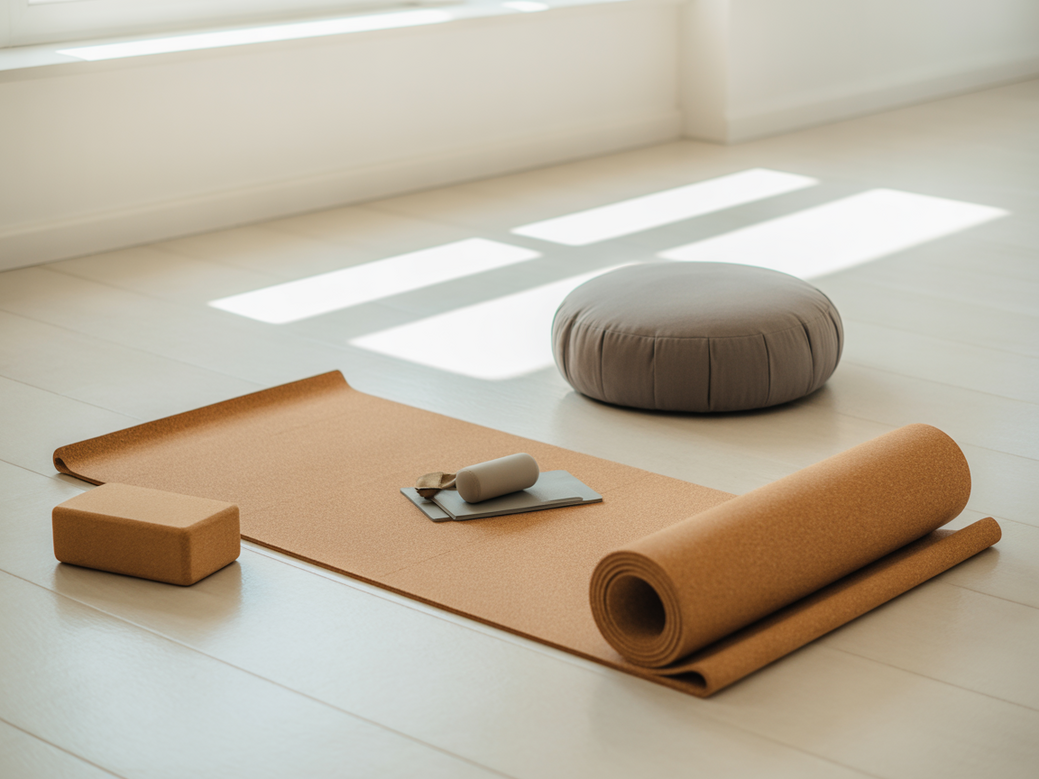
- Cork: Harvested by stripping the bark from cork oak trees—a process that doesn’t harm the tree and allows the bark to regenerate—cork is a powerhouse material. It’s naturally antimicrobial and, remarkably, its grip increases with moisture, making it perfect for hot yoga.
- Jute: This strong, natural plant fiber creates durable and breathable yoga mats. Jute is fully biodegradable and has a rustic texture that provides a natural grip.
- Organic Cotton & Buckwheat: Primarily used for meditation cushions (Zafus) and bolsters, these materials are grown without harmful pesticides. They provide firm, comfortable, and adaptable support that molds to your body.
Materials to Avoid for a Healthier Practice
Much of the conventional yoga gear is made from materials that are detrimental to our health and the planet. Here’s what to steer clear of:
- PVC (Polyvinyl Chloride): The most common material for cheap yoga mats. Its production and disposal release dioxins, highly toxic chemicals. It also contains phthalates to remain flexible, which are linked to health concerns. According to the EPA, managing such plastics is a significant environmental challenge.
- EVA (Ethylene-Vinyl Acetate): While less toxic than PVC, this synthetic foam is still petroleum-based and not biodegradable, contributing to landfill waste.
- Synthetic Rubber (with toxic additives): Some mats blend natural rubber with synthetic compounds to cut costs, undermining the eco-friendly benefits.
The Impact of Your Choice: Planet and Personal Health
Choosing a sustainable yoga mat over a PVC one is a powerful act. A conventional mat can take hundreds of years to decompose, leaching toxins into the soil and water. An eco-friendly mat, however, will biodegrade naturally, returning to the earth.
“A 2025 report from the Sustainable Wellness Council found that 82% of consumers are willing to pay more for wellness products that are environmentally friendly, indicating a major shift in market consciousness.”
Beyond the planet, your health is on the line. During your practice, your skin is in constant contact with your mat. Using non-toxic, eco-friendly yoga gear eliminates the risk of absorbing harmful chemicals, ensuring your pursuit of wellness is truly health-supportive. By choosing brands like Vitalizen, you support ethical manufacturing and a healthier future.
How to Choose the Right Eco-Friendly Yoga Mat
Selecting the perfect mat from the growing market of eco-friendly yoga gear can feel overwhelming. Your choice should align with your practice style, priorities (e.g., grip, cushioning, weight), and budget. Let’s break down the top materials.
| Material | Key Benefit | Best For | Price Range |
|---|---|---|---|
| Cork | Superior grip when wet, antimicrobial | Hot Yoga, Vinyasa, Sweaty Practices | $$ – $$$ |
| Natural Rubber | Excellent cushioning and dry grip | Hatha, Restorative, Ashtanga | $$ – $$$ |
| Jute | Natural texture, very durable | Outdoor practice, All Styles | $ – $$ |
Beyond the Mat: Sustainable Props
Your sustainable journey doesn’t end with the mat. Other essential props are also available in eco-friendly versions:
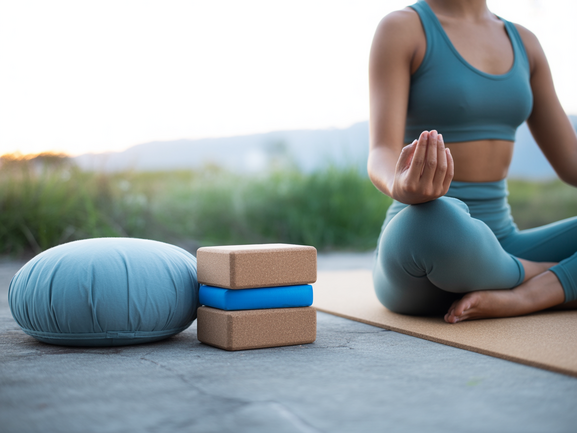
- Yoga Blocks: Opt for blocks made from cork instead of foam. They are sturdy, stable, and have a comfortable, non-slip texture.
- Meditation Cushions: Look for Zafus and Zabutons filled with organic buckwheat or kapok and covered in organic cotton or hemp. These provide superior, long-lasting support for your meditation practice.
- Yoga Straps: Choose straps made from organic cotton, which is soft, durable, and free from the pesticides used to grow conventional cotton.
> 💡 **Ready to upgrade your practice?** Explore our curated collection of high-performance, non-toxic yoga gear. Shop the Eco-Conscious Collection today!
How to Start Your Sustainable Yoga Journey
Making the switch to eco-friendly yoga gear is a gradual, mindful process. You don’t need to replace everything at once. Here’s a simple plan to get started:
- Assess Your Current Gear: Identify which of your items are made from PVC or other synthetic materials. Plan to replace the item you use most frequently first—likely your yoga mat.
- Research Conscious Brands: Look for companies that are transparent about their supply chain and materials. Certifications from organizations like the Forest Stewardship Council (FSC) or Global Organic Textile Standard (GOTS) are excellent indicators of authenticity.
- Choose Your First Piece: Invest in a high-quality, non-toxic yoga mat or a supportive organic meditation cushion. Notice the difference in feel and performance.
- Care for Your Gear: Follow the cleaning and care instructions for your new sustainable products. Proper maintenance extends their lifespan, reducing waste and honoring the resources used to create them. For more tips, check out our guide on caring for your gear.
- Expand Your Collection: As other props wear out, replace them with sustainable alternatives like cork blocks and organic cotton straps.
How to Spot Greenwashing
As “eco-friendly” becomes a popular marketing term, it’s crucial to distinguish genuine commitment from clever advertising. This practice, known as greenwashing, can mislead consumers. Here’s how to be a discerning shopper:
- Vague Claims: Be wary of words like “eco,” “green,” or “natural” without specific details. What makes it “green”?
- Check for Proof: Authentic brands provide details about their materials and manufacturing. Look for third-party certifications.
- Focus on Material: The most important factor is the material. If a mat is labeled “eco-friendly” but is made from PVC, it’s a red flag.
Studies from institutions like the National Center for Biotechnology Information (NCBI) highlight the health risks of chemicals like phthalates, reinforcing the importance of choosing genuinely non-toxic products.
Join the Vitalizen Community
You are not alone on this journey. Join thousands of yogis who have aligned their practice with their values. When you choose Vitalizen.app | Yoga e meditação, you’re not just buying eco-friendly yoga gear; you’re joining a movement dedicated to mindful living. We invite you to explore our Artigos, notíticas, dicas e orientações de yoga e meditação for more inspiration.