How to Meditate: A Beginner’s Guide to Finding Inner Peace
Have you ever felt overwhelmed by the constant digital noise and relentless demands of modern life? In our fast-paced world, finding a moment of genuine peace can seem like an impossible task. Meditation is a powerful, evidence-based practice that trains your mind to achieve a state of deep relaxation and heightened awareness. This guide provides clear, actionable steps to begin your journey toward inner calm. With supportive tools like the Vitalizen App | Yoga + Meditation, you can seamlessly integrate this transformative practice into your daily routine and unlock a more centered version of yourself.
What Is Meditation and How Does It Work?
At its core, meditation is the practice of focusing your attention to achieve a state of mental clarity and emotional calm. A common misconception is that it’s about stopping your thoughts entirely. Instead, the goal is to observe them without judgment. By doing so, you learn to detach from the endless cycle of stress and anxiety, creating a sanctuary of inner quiet. This practice helps you understand your own mind and fosters a compassionate, non-reactive stance toward your thoughts.
The process works by training your brain’s attention networks, particularly the prefrontal cortex, which is associated with focus and decision-making. When you consistently bring your focus back to a single point—such as your breath, a sound, or a sensation—you strengthen your ability to concentrate. Simultaneously, this practice can reduce activity in the amygdala, the brain’s fear center. Think of it as a consistent workout for your mind, building resilience and emotional regulation over time.
According to a 2025 report from the Global Wellness Institute, 85% of individuals who practice meditation for at least 10 minutes daily report a significant decrease in stress levels within just two weeks.
The Science-Backed Benefits of a Consistent Practice
The benefits of a consistent meditation practice are extensive and well-documented, impacting both your mental and physical health. It is a proactive way to manage stress and enhance your overall quality of life. Research from authoritative sources like the National Institute of Mental Health confirms its effectiveness. Furthermore, studies from institutions like Harvard Medical School have shown how mindfulness meditation can change brain structures associated with memory, self-awareness, and compassion.
Key Benefits of Meditation:
- Drastically Reduces Stress: By activating the body’s parasympathetic nervous system (the relaxation response), meditation helps lower cortisol, the primary stress hormone. This leads to a feeling of calm that can last throughout the day.
- Improves Focus and Concentration: Regular practice enhances your attention span and ability to concentrate, which boosts productivity and performance in all areas of life, from work to personal projects.
- Promotes Emotional Health and Stability: It fosters a healthy sense of perspective, increases self-awareness, and encourages a more positive outlook. You become better at navigating difficult emotions without being controlled by them.
- Enhances Sleep Quality: For many, a racing mind is the enemy of good sleep. Meditation can quiet the mental chatter, making it easier to fall asleep, stay asleep, and improve overall sleep depth.
- Supports Physical Health: Studies have linked consistent meditation practice to lower blood pressure, a stronger immune system, and reduced symptoms of chronic pain.
How to Start Your Meditation Journey in 5 Simple Steps
Beginning your meditation journey is simpler than you might think. You don’t need any special equipment or prior experience—just a few minutes and a willingness to try. Follow these foundational steps to get started on the right foot.
- Find a Quiet and Comfortable Space: Choose a location where you won’t be disturbed for 5-10 minutes. This could be a corner of your bedroom or a quiet office. The goal is to minimize external distractions.
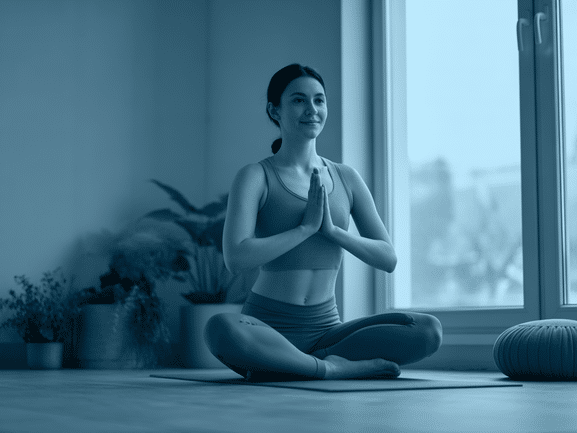
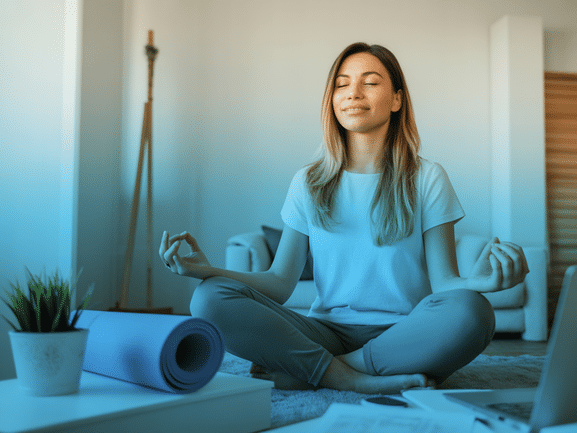
- Sit in a Stable, Comfortable Posture: You can sit on a cushion on the floor or in a chair with your feet flat on the ground. The key is to keep your back straight but not stiff. Let your hands rest comfortably in your lap or on your knees.
- Close Your Eyes and Take Deep Breaths: Gently close your eyes to reduce visual stimulation. Begin by taking a few slow, deep breaths to signal to your body that it’s time to relax and turn inward.
- Focus on the Sensation of Your Breath: Bring your attention to the physical sensation of your breath entering and leaving your body. Notice the feeling of the air in your nostrils or the rise and fall of your chest. Don’t try to change your breathing; just observe it.
- Gently Redirect Your Wandering Mind: Your mind will wander—that is what minds do. When you notice your thoughts drifting, gently and without judgment, acknowledge the thought and then guide your focus back to your breath. This act of returning is the core of the practice.
💡 Tip: For a guided experience, which is incredibly helpful for beginners, start your wellness journey now with beginner-friendly sessions on the Vitalizen App.
Exploring the Main Types of Meditation
There are many meditation styles, each with a unique focus. Exploring different types can help you find the one that resonates most with you and your goals. Here are a few popular and effective styles to consider:
Mindfulness Meditation
Originating from Buddhist teachings, this is the most popular style in the West. It involves paying attention to your thoughts as they pass through your mind. The goal isn’t to get involved with the thoughts but to observe them and notice any patterns. This practice is excellent for developing awareness and reducing stress in daily life.
Guided Meditation
In guided meditation, a teacher or an app recording leads you through the practice. They may use imagery, body scans, or affirmations to help you relax and focus. This style is perfect for beginners who appreciate structure and find it difficult to focus on their own.
Yoga (Asana) as Moving Meditation
Yoga combines physical postures (asanas), breathing exercises, and meditation. The practice of moving through poses while staying connected to your breath is a form of moving meditation. It is ideal for releasing physical tension and preparing the body for seated stillness.
Walking Meditation
This is an active form of meditation where you focus on the movement of your body as you walk. You pay attention to the sensation of your feet on the ground and the rhythm of your steps. It’s a great way to integrate mindfulness into an everyday activity, especially for those who find it hard to sit still.
How Yoga and Meditation Create a Complete Practice
While meditation trains the mind, yoga prepares the body. The physical postures of yoga (asanas) are designed to release tension, build strength, and increase flexibility. This makes it significantly easier to sit comfortably and without distraction in meditation for longer periods. This powerful synergy creates a holistic approach to well-being that addresses both mental and physical needs. The Vitalizen App offers a harmonious blend of both, providing a complete toolkit for your mind and body. To learn more about our philosophy, discover What is Vitalizen.app?
Frequently Asked Questions About How to Meditate
How long should I meditate each day?
Starting with just 5-10 minutes a day is incredibly effective. Consistency is far more important than duration, especially when you’re building the habit. As you become more comfortable, you can gradually increase the time to 15, 20, or even 30 minutes.
What if I can’t quiet my mind?
This is the most common challenge and a normal part of the process. The goal is not to have a completely clear mind, but to practice observing your thoughts without getting carried away. Each time you notice your mind has wandered and you bring it back, you are strengthening your focus. Guided meditations, like those on the Vitalizen App, are especially helpful for learning this skill.
When is the best time to meditate?
The best time to meditate is whenever you can be most consistent. Many people find success in the morning to set a calm and intentional tone for the day. Others prefer the evening to de-stress from the day’s events and prepare for a restful sleep. Experiment to see what works best for your schedule.
Where can I find more resources?
For more tips, articles, and in-depth guidance on yoga and meditation, be sure to visit our official blog. If you have any specific questions or need support, feel free to contact our team.
Begin Your Journey to a More Mindful You Today
The path to a calmer, more centered, and more resilient life is just a single breath away. By incorporating the practice of meditation and yoga into your daily routine, you are making a powerful and lasting investment in your long-term health and happiness. The benefits are cumulative, growing stronger with every session.
🎯 Ready to start? Download the Vitalizen App today and begin your journey to well-being. Your future self will thank you.