

How to Start Meditation: A Practical Guide for Beginners in 2025
Have you ever felt like your mind is running a marathon with no finish line? In our fast-paced, digitally-driven world, finding a moment of genuine peace can feel like an impossible luxury. But what if you could access a state of calm and clarity anytime, anywhere? This is the promise of meditation, a practice designed to quiet the noise and sharpen your focus. You don’t need to be a monk on a mountaintop to reap its incredible rewards.
This guide is designed to show you exactly how to start meditation as a beginner in 2025. We’ll break down the science, explore different techniques, and provide practical, step-by-step advice to help you build a practice that sticks. With a little help from your new wellness partner, Vitalizen.app | Yoga e meditação, your journey to a calmer, more focused mind begins today.
What Is Meditation, Really?
At its core, meditation is a practice of training your attention and awareness to achieve a state of mental clarity and emotional calm. The primary goal isn’t to magically silence your thoughts or “empty your mind”—a common myth that discourages many beginners. Instead, it’s about learning to observe your thoughts and feelings without judgment. By doing this, you begin to understand their transient nature and reduce their power over you.
Think of it as a workout for your brain. Just as you lift weights to strengthen your muscles, you practice meditation to strengthen your focus, resilience, and sense of inner peace. It is a simple yet powerful tool for enhancing your overall well-being. While its roots are ancient, its application in modern life is now heavily backed by extensive scientific research from institutions worldwide.
The Science-Backed Benefits of a Meditation Practice
Starting a meditation routine can positively impact nearly every aspect of your life. The advantages are not just anecdotal; they are measurable and profound. Here are some of the key benefits you can expect, all supported by scientific research.
- Reduces Stress and Anxiety: This is the most famous benefit. Meditation is proven to lower cortisol levels, the body’s primary stress hormone. A study from Georgetown University Medical Center found that mindfulness meditation produced measurable changes in the brain that reduce stress responses. This leads to a profound and lasting sense of calm.
- Improves Focus and Concentration: In an age of constant digital distraction, the ability to focus is a superpower. Meditation trains your prefrontal cortex, the part of your brain responsible for attention and decision-making. This helps you stay on task, ignore distractions, and boost your overall productivity.
- Enhances Self-Awareness: The practice provides a dedicated space to get to know yourself better. It helps you recognize and gently redirect harmful or negative thought patterns, leading to greater emotional intelligence and self-compassion.
- Promotes Better Sleep: A quiet, settled mind leads to a restful night. Meditating before bed can help you fall asleep faster and significantly improve your sleep quality by calming the nervous system and reducing racing thoughts.
- Boosts Emotional Health: Regular practice can lead to a more positive outlook on life and is even used clinically to improve symptoms of depression. It fosters kindness and compassion, both for yourself and for those around you.
- Supports Brain Health: Research suggests that long-term meditation practice is associated with increased gray matter in the brain, particularly in areas related to learning, memory, and emotional regulation.
Common Types of Meditation for Beginners
The word “meditation” is an umbrella term for many different styles. As a beginner, it’s helpful to know a few common types so you can find what works for you. Here are three excellent starting points:
- Mindfulness Meditation: This is the most popular form in the West. It involves focusing on your breath and observing any thoughts, sounds, or sensations that arise without judgment. It’s about being present in the moment.
- Guided Meditation: Perfect for beginners, this type involves listening to a teacher’s voice (in person or via an app like Vitalizen) who guides you through the entire process. It removes the guesswork and makes it easier to stay focused.
- Walking Meditation: If sitting still is a challenge, this is a fantastic alternative. You focus on the physical sensation of your feet on the ground and the movement of your body. It combines light physical activity with mental exercise.
How to Start Meditation Today: A Simple 7-Step Guide
Ready to begin your meditation practice? It’s easier than you think. Forget the pressure to do it perfectly and just start. Here’s a simple, step-by-step guide to get you going on your journey.
- Find a Quiet Space: Choose a spot where you won’t be interrupted for 5-10 minutes. It doesn’t have to be special, just quiet.
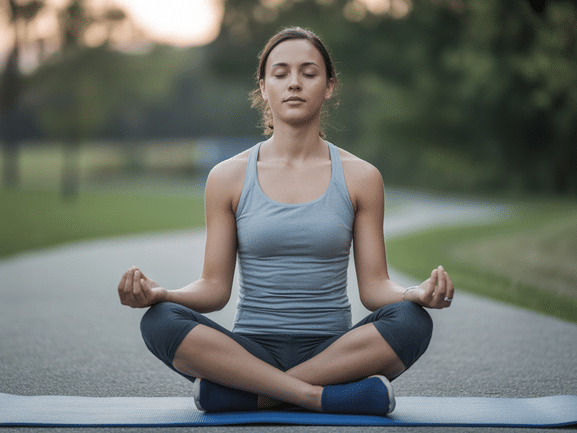
- Choose a Comfortable Posture: Sit in a chair with your feet flat on the floor, or on a cushion on the ground. Keep your back straight but not stiff to allow for easy breathing.
- Set a Timer: Start with just five minutes. Knowing you have a set end time will help you relax into the practice without constantly worrying about how long it’s been.
- Focus on Your Breath: Close your eyes gently. Bring your attention to the physical sensation of your breath. Notice the air entering your nostrils, filling your lungs, and then leaving your body. Don’t try to change your breathing; just observe it.
- Gently Return Your Wandering Mind: Your mind will wander. That is what minds do. When you notice it has drifted to thoughts, plans, or sounds, gently acknowledge it without criticism and guide your focus back to your breath. This is the core of the practice.
- Use a Guide: Especially for beginners, guided meditation is a game-changer. It provides a soothing voice to follow. The Vitalizen.app has a complete library of guided meditations perfect for those just starting out.
- End with Kindness: When the timer goes off, gently open your eyes. Take a moment to notice how you feel. Thank yourself for taking this time for your well-being.
> 🎯 **Ready to start your meditation practice?** Download the **Vitalizen App** today for guided sessions perfect for beginners!
Creating a Lasting Meditation Habit
The real benefits of meditation come from consistency. Here are a few tips to help you build a lasting habit:
- Start Small: Five minutes a day is far better than one hour once a month. Make the goal so easy you can’t say no.
- Link it to an Existing Habit: Practice meditation right after something you already do every day, like brushing your teeth or having your morning coffee. This is called “habit stacking.”
- Track Your Progress: Use an app like Vitalizen or a simple journal to track your sessions. Seeing your streak grow can be a powerful motivator.
- Don’t Aim for Perfection: Some days will be easy, and other days your mind will feel like a circus. It’s all part of the process. Just show up.
Meditation for Professional Success
A consistent meditation practice is a secret weapon in the professional world. It directly enhances the skills needed to thrive in today’s demanding work environments.
According to a 2025 report from the Global Wellness Institute, companies with workplace wellness programs that include meditation see a 41% reduction in employee burnout rates and a 22% increase in overall productivity.
For you, this translates into a more focused, resilient, and creative mindset. A regular meditation practice helps you manage stress, improve concentration, and enhance problem-solving skills. This leads to better decision-making, fewer errors, and a more positive and collaborative attitude. Investing in your mental well-being is a direct investment in your career success.
How Much Does it Cost to Implement Meditation?
One of the greatest things about meditation is that it can be completely free. You don’t need any special equipment or expensive memberships to start. Your breath and a quiet space are all that’s required. Many free resources are available on platforms like YouTube and through basic versions of wellness apps.
For those who prefer more structure and features, investing in a premium app or course can be highly beneficial. These often provide personalized programs, progress tracking, and a wider variety of specialized content. Here’s a quick comparison:
| Option | Cost Range | Key Features | Best For |
|---|---|---|---|
| Free Resources (YouTube, etc.) | $0 | Thousands of guided meditations from various creators | Absolute beginners testing the waters |
| Freemium Apps (e.g., Vitalizen) | $0 for basic, $5-$15/month for premium | Structured courses, progress tracking, curated content | Beginners wanting a clear, progressive path |
| In-Person Classes/Workshops | $15-$50 per class | Personalized feedback, community support | Those who thrive in a group setting |
> 💡 **Tip:** For more tips and guidance, be sure to check out our other artigos, notíticas, dicas e orientações de yoga e meditação.
Your Questions Answered: Meditation FAQ
How long should I meditate for when I’m a beginner?
Start with just 5 to 10 minutes per day. According to research from Stanford University (.edu source), building a consistent daily habit is far more impactful than infrequent longer sessions. This helps build the routine without feeling overwhelming. As you get more comfortable, you can gradually increase the duration. The Vitalizen app offers sessions of varying lengths to fit your schedule.
Is it okay if I can’t stop thinking during meditation?
Absolutely! This is the most common misconception. The goal is not to have an empty mind, but to notice when your mind has wandered and gently bring it back. Every time you do this, you are strengthening your focus and awareness. It is the very essence of the practice. Think of your thoughts as clouds passing in the sky—you are simply observing them from the ground.
Do I need any special equipment to start meditation?
No, you don’t need anything special. All you need is a comfortable place to sit or lie down where you won’t be disturbed. While some people use cushions or benches to help with posture, your chair or bed works perfectly fine. The only tool we recommend is a great guide, like the Vitalizen App | Yoga + Meditation, to help you get started on the right foot.
What is the best time of day to meditate?
The best time to meditate is simply the time you can stick with consistently. Many people find that meditating first thing in the morning helps set a positive and calm tone for the day. Others prefer a midday session to reset from work stress, or an evening meditation to wind down before sleep. Experiment for a week and see what works best for your personal schedule. For more information on the benefits of meditation for stress, check authoritative sources like the National Center for Complementary and Integrative Health (.gov source).
Your Journey to a Calmer You Starts Now
Meditation is a journey, not a destination. It’s a simple, powerful gift you can give yourself every single day. By choosing to start a meditation practice, you are taking a proactive and decisive step towards a more balanced, focused, and peaceful life in a world that constantly demands your attention.
Don’t wait for the ‘perfect’ moment to begin, because that moment is now. Download the Vitalizen App, find a quiet corner, and press play on your first guided meditation. Your future self will thank you for it. Have questions or want to share your experience? Get in touch with us!