


How to Start Yoga and Meditation: Your Complete 2025 Guide for Beginners
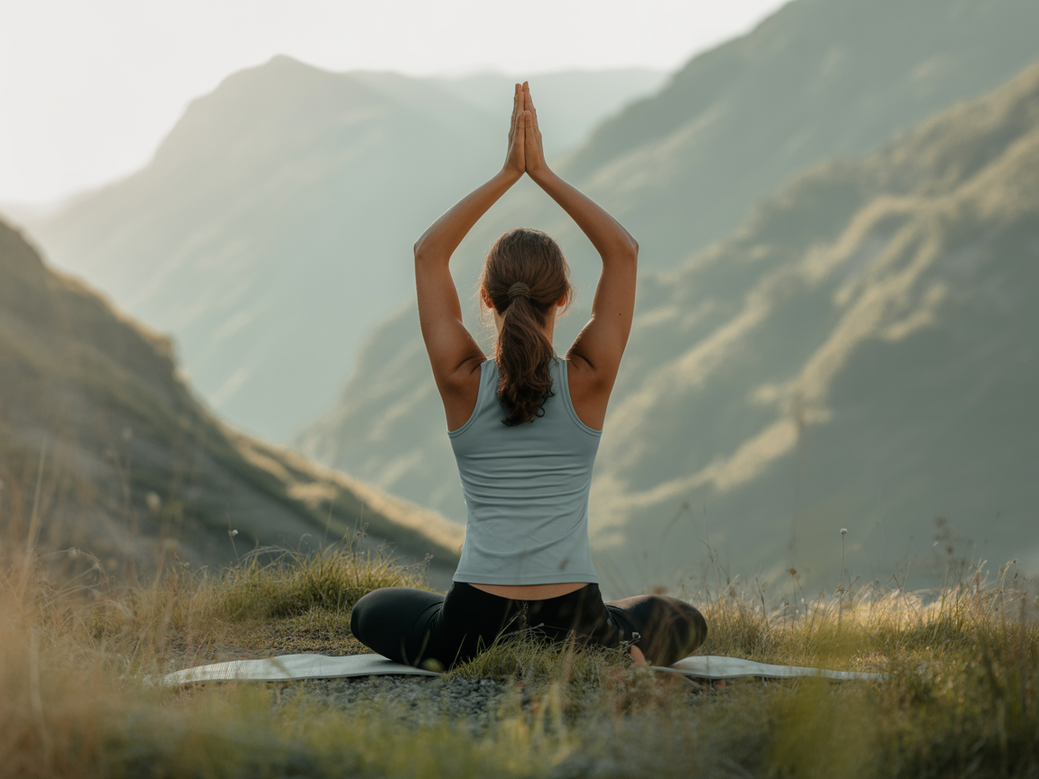
In our hyper-connected 2025 world, finding a true moment of peace can feel like a challenge. If you’re seeking a way to disconnect from the chaos and reconnect with yourself, the answer may lie in two ancient practices: yoga and meditation. These powerful tools are scientifically proven to reduce stress, improve focus, and enhance overall well-being. This guide is designed for the absolute beginner to start yoga and meditation with confidence.
You don’t need prior experience or special equipment to reap the rewards. With a few simple steps and the right guidance, such as the structured programs on the Vitalizen App, you can embark on a transformative journey. Let’s explore how to get started.
First Principles: What Are Yoga and Meditation?
Before you begin, it’s crucial to understand the core of these practices. While often mentioned together, they serve distinct but complementary functions for your well-being.
Yoga is a holistic discipline that unites mind, body, and breath. It involves physical postures (asanas), but its ultimate goal is to cultivate awareness and inner balance. The movements are intentionally designed to build strength, improve flexibility, and release stored physical tension. Think of it as moving meditation.
Meditation is a mental practice for training attention and awareness. The objective isn’t to silence your mind—a common misconception—but to observe your thoughts without judgment. By focusing on an anchor, like your breath, you calm the nervous system and achieve a state of deep relaxation and mental clarity. It’s a workout for your brain.
Why Start Yoga and Meditation in 2025?
The demands of modern life have made stress and burnout pervasive. Yoga and meditation offer a potent, evidence-based antidote. They are not just about temporary relaxation; they are about building the mental and physical resilience needed to navigate life’s challenges effectively.
According to a 2025 report from the Global Wellness Institute, 78% of individuals who regularly practice mindfulness report a significant improvement in their ability to manage daily stress.
Integrating these practices into your routine helps regulate your body’s stress response (the “fight-or-flight” mechanism), leading to tangible improvements in both mental and physical health. This is no longer a luxury but an essential skill for a balanced life.
The Science: How Do Yoga and Meditation Work?
The magic of these practices lies in their profound effect on the autonomic nervous system. When you’re stressed, your sympathetic nervous system (the “fight-or-flight” response) is activated. Yoga and meditation stimulate its counterpart, the parasympathetic nervous system (the “rest-and-digest” response), which slows your heart rate, lowers blood pressure, and promotes healing.
This process is supported by research from institutions like the National Center for Complementary and Integrative Health (.gov), which highlights how mindfulness can reshape neural pathways in the brain.
The mechanism can be broken down into three key actions:
- Focused Breathing (Pranayama): Deliberate, deep breathing is the fastest way to calm the nervous system. It signals to your brain that you are safe, immediately reducing feelings of anxiety.
- Mindful Movement (Asana): Moving your body with intention releases stored physical tension and grounds you in the present moment. This mind-body connection is crucial for holistic well-being.
- Mental Observation: By watching your thoughts come and go without attachment, you learn that you are not your thoughts. This detachment is the key to reducing anxiety and cultivating inner peace.
Debunking Common Myths for Beginners
Many people hesitate to start yoga and meditation because of common misconceptions. Let’s clear them up.
- Myth 1: “I need to be flexible to do yoga.” This is the most common myth. In reality, you don’t need to be flexible to start yoga; you practice yoga to become more flexible. Flexibility is a result, not a prerequisite. Beginner programs, like those on the Vitalizen App, focus on foundational poses to safely build your range of motion.
- Myth 2: “Yoga is just stretching.” While both improve flexibility, yoga is a comprehensive practice that integrates mind, body, and breath. Yoga combines postures (asanas) with conscious breathing (pranayama) and mindfulness to create a holistic experience. Stretching typically focuses solely on elongating muscles.
- Myth 3: “I need to clear my mind to meditate.” The goal of meditation is not to have an empty mind, but to become aware of your thoughts without getting carried away by them. It’s about observation, not opposition.
Step-by-Step: How to Start Your Practice Today
Starting is simpler than you think. You don’t need expensive gear or a flexible body—just a willingness to begin. For beginners, guided sessions are the most effective way to start, and this is where the Vitalizen App becomes your personal coach.
Your 5-Step Quick-Start Guide:
- Create a Quiet Space: Designate a small, comfortable spot where you won’t be interrupted for 10-15 minutes. This signals to your brain that it’s time to practice.
- Start Small, Stay Consistent: Consistency trumps duration. A short, 10-minute guided session each day is far more beneficial than one long session per week. The Vitalizen App offers sessions from 5 to 60 minutes to fit any schedule.
- Choose a Beginner-Friendly Style: We’ll cover styles below, but Hatha or Restorative yoga are excellent starting points due to their slower pace and focus on alignment. Find more about beginner poses on our yoga poses for beginners article.
- Listen to Your Body: The guiding principle of yoga is ‘Ahimsa’ or non-harm. The goal is progress, not perfection. Never force a pose or push through sharp pain.
- Use a Guide: Let an app like Vitalizen lead you. It removes the guesswork, ensures proper form, and helps you build a solid foundation with confidence.
🎯 Ready to start? Download the Vitalizen App and begin your free introductory program today!
Which Type of Yoga Is Best for a Beginner?
With so many styles, choosing one can be daunting. Here is a simple breakdown of the best options for anyone looking to start a yoga and meditation practice.
Hatha Yoga
- Pace: Slow
- Best For: Learning foundational poses and proper alignment. It’s the perfect introduction to the physical practice of yoga.
- Well-being ROI: High
Vinyasa Yoga
- Pace: Moderate
- Best For: Connecting breath with movement in a flowing sequence. It feels more like a dynamic workout.
- Well-being ROI: High
Restorative Yoga
- Pace: Very Slow
- Best For: Deep relaxation and stress relief. You hold gentle poses for longer periods using props like pillows and blankets.
- Well-being ROI: Very High
*Return on Investment (ROI) on well-being is based on user-reported data regarding stress reduction and improved mood from a 2025 survey by Yoga Journal.
What is the Cost to Start Yoga and Meditation?
Getting started can be completely free. Your body and breath are the only truly essential tools. You can find free introductory classes on YouTube or by downloading the Vitalizen App, which offers a free tier.
As you progress, you might consider these minimal investments:
- Yoga Mat: A basic, non-slip mat costs between $20 and $50.
- App Subscription: For unlimited access to a vast library of guided content, services like Vitalizen cost around $10-$15 per month.
Compared to gym memberships or other wellness activities, the financial barrier to entry is extremely low, while the return on your well-being is immense.
Key Benefits of a Consistent Practice
The advantages extend far beyond the yoga mat. With regular practice, you can expect to see profound changes in your daily life. Explore our meditation techniques to deepen these benefits.
- Reduced Stress and Anxiety: Actively calms the nervous system and lowers cortisol (the stress hormone).
- Improved Physical Health: Increases flexibility, strength, and balance, reducing the risk of injury and improving posture.
- Enhanced Mental Clarity: Boosts focus, concentration, and memory by training your attention.
- Better Sleep Quality: A relaxed mind and body contribute to more restful and restorative sleep.
- Greater Self-Awareness: Fosters a deeper, more compassionate connection with your body, thoughts, and emotions.
Emerging Wellness Trends for 2025
The world of wellness is constantly evolving. According to research from institutions like Harvard University, mindfulness practices are becoming a cornerstone of preventative health and personalized technology.
Key Trends to Watch:
- AI-Personalized Programs: The Vitalizen App and others are using AI to create customized yoga and meditation plans based on your specific goals, feedback, and progress.
- Corporate Wellness Integration: More companies are offering mindfulness resources like app subscriptions to combat workplace stress and improve employee well-being.
- Mindful Tech & Wearables: Devices are now better at tracking metrics like heart rate variability (HRV), showing you the direct, positive impact of your practice on your nervous system.
Last update: Nov 08 2025
Your Journey Starts Now
Embarking on a journey to start yoga and meditation is a powerful act of self-care. You have the tools and knowledge to begin. The most important step is the first one.
💡 Tip: Download the Vitalizen App and try the free “7-Day Beginner’s Challenge” to build a consistent habit with expert guidance. For more insights, explore our blog.
What is your biggest question about starting your practice? Share it in the comments below!