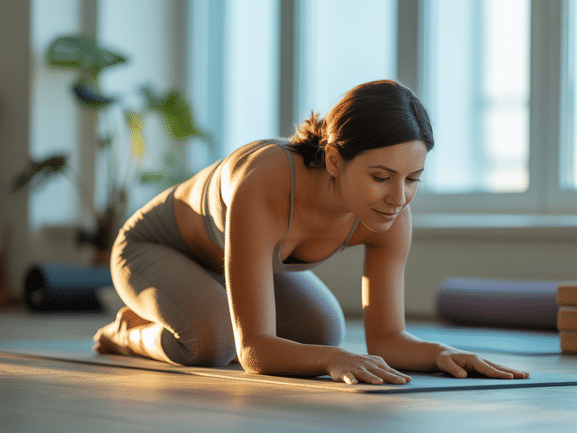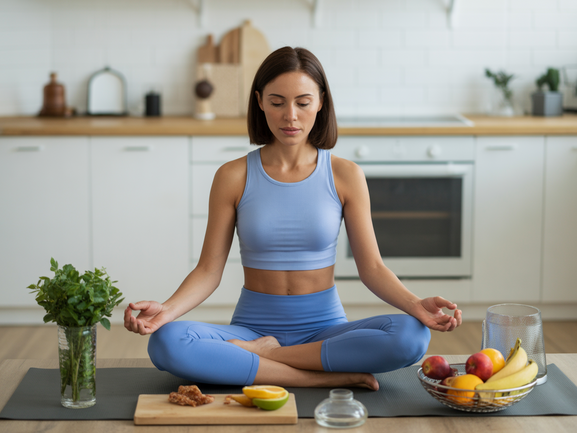


Yoga and Meditation: Your Path to a Balanced and Fulfilling Life
What Are Yoga and Meditation? A Synergy for Modern Wellness
In the relentless pace of modern life, achieving a state of balance can feel like an elusive goal. Yoga and meditation, two ancient practices with profound contemporary relevance, offer a powerful framework for harmonizing the mind, body, and spirit. They provide a sanctuary of calm that you can cultivate and access anytime, anywhere.
Yoga is a holistic science that integrates physical postures (asanas), breath control techniques (pranayama), and deep relaxation. It’s not just a workout; it’s a method for creating a conscious connection between your physical form and your inner self. Meditation, which is a fundamental pillar of yoga, is the practice of training your attention and awareness. Its purpose is to guide you toward a state of mental clarity and emotional stability.
When combined, yoga and meditation become more than just a routine—they evolve into a lifestyle that champions holistic health. By embracing these practices, you embark on a transformative journey toward enhanced physical vitality and profound inner peace. The Vitalizen App | Yoga + Meditation is expertly designed to be your trusted companion on this path.
The Science Behind a Balanced Life: How Yoga and Meditation Work
The benefits of yoga and meditation are not just anecdotal; they are backed by extensive scientific research. These practices directly influence your nervous system, brain function, and hormonal balance, creating measurable improvements in your well-being.
Activating the Relaxation Response
Our bodies have two primary nervous system states: the sympathetic (“fight-or-flight”) and the parasympathetic (“rest-and-digest”). Chronic stress keeps us stuck in the sympathetic state. Yoga and meditation, particularly the focus on deep breathing, activate the parasympathetic nervous system. This shift lowers heart rate, reduces blood pressure, and decreases the production of the stress hormone cortisol.
Rewiring the Brain for Positivity
Neuroplasticity is the brain’s ability to reorganize itself by forming new neural connections. Studies from institutions like Harvard University have shown that consistent meditation practice can physically alter brain structure. It increases grey matter density in areas associated with learning, memory, and emotional regulation, while decreasing it in the amygdala, the brain’s fear center.
Enhancing Mind-Body Awareness
The mindful movements in yoga and the focused attention in meditation cultivate a heightened sense of interoception—the awareness of your body’s internal state. This connection helps you better recognize and respond to your body’s needs, from physical tension to emotional triggers, fostering a more intuitive and balanced approach to self-care.
The Core Benefits of a Consistent Yoga and Meditation Practice
Adopting a regular yoga and meditation routine unlocks a wide array of benefits that ripple through every area of your life. The powerful synergy between physical conditioning and mental training leads to transformative health outcomes.
Why is Yoga Essential for Physical Vitality?
- Enhanced Flexibility and Strength: Yoga asanas systematically stretch and fortify all major muscle groups, improving range of motion and preventing injury.
- Superior Posture and Balance: By strengthening the core and increasing bodily awareness, yoga corrects postural imbalances and enhances stability.
- Boosted Respiratory and Circulatory Health: Pranayama techniques expand lung capacity, while the dynamic flows improve blood circulation, ensuring optimal oxygen delivery to cells.
- Strengthened Immune System: By reducing stress and inflammation, yoga helps bolster your body’s natural defense mechanisms.
Why is Meditation Crucial for Mental Clarity?
- Significant Stress and Anxiety Reduction: Meditation is scientifically proven to lower cortisol levels, promoting a state of calm and resilience.
- Sharpened Focus and Concentration: The practice trains the prefrontal cortex, the part of your brain responsible for executive function, helping you resist distractions.
- Deeper Self-Awareness and Emotional Intelligence: Meditation fosters a non-judgmental connection with your thoughts and emotions, leading to greater self-understanding.
- A profound and lasting sense of inner peace.
According to a 2025 report from the Global Wellness Institute, 85% of individuals who practice yoga or meditation at least three times a week report a significant decrease in anxiety levels and a 60% improvement in sleep quality.
How to Start Your Yoga and Meditation Journey Today
Beginning your practice is simpler than you might think. The most crucial action is taking the first step. With a supportive tool like the Vitalizen App, you can start immediately, regardless of your experience level. Here’s a detailed guide to get you going.
- Clarify Your Intentions: What do you hope to achieve? Whether it’s stress relief, better flexibility, or spiritual growth, a clear goal will serve as your anchor.
- Designate a Sacred Space: Find a quiet, comfortable corner in your home. A clutter-free environment is conducive to a peaceful mind.
- Start with Micro-Habits: You don’t need an hour. Begin with a 5-minute guided meditation or a 10-minute gentle yoga flow. Consistency over duration is the key to building a lasting habit.
- Leverage Guided Resources: The Vitalizen App offers structured sessions for all levels, ensuring proper form and making it easy to follow along.
- Listen Intently to Your Body: Never force a pose. Yoga is about honoring your body’s current limits and gently expanding them over time. Use modifications whenever needed.
- Be Patient and Kind to Yourself: Your mind will wander. You will have days where you feel stiff. This is all part of the practice. Simply acknowledge it and gently return your focus.
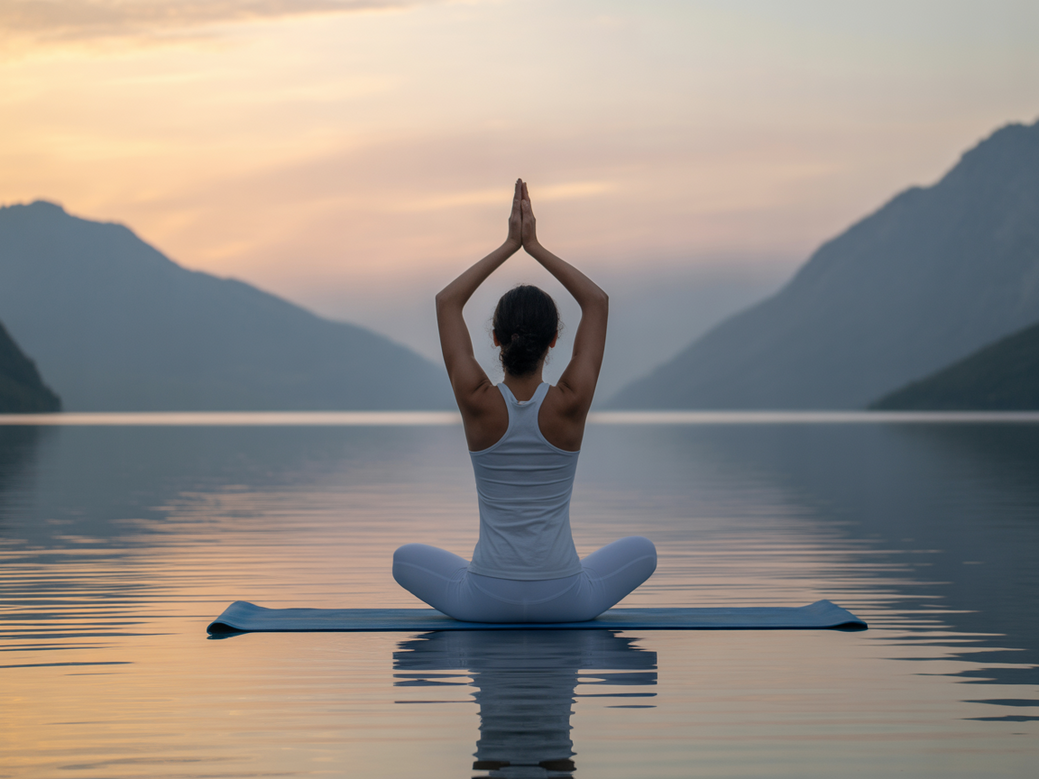
> 💡 **Ready to begin?** The Vitalizen App offers a free 7-day trial with access to our full library of guided yoga and meditation sessions. Start your journey to a balanced life now!
Choosing the Right Style of Yoga and Meditation
With so many options available, finding the right style can feel overwhelming. Here’s a quick breakdown to help you choose a practice that aligns with your goals.
Popular Yoga Styles for Beginners:
- Hatha Yoga: A slower-paced class focused on basic postures. Perfect for absolute beginners.
- Vinyasa Yoga: A more dynamic style where movement is synchronized with breath. Great for building heat and strength.
- Restorative Yoga: Uses props like bolsters and blankets to support the body in gentle, long-held poses. Ideal for deep relaxation.
Simple Meditation Techniques:
- Mindfulness Meditation: Paying attention to your breath and observing your thoughts without judgment.
- Body Scan Meditation: Bringing awareness to different parts of your body, noticing any sensations.
- Loving-Kindness Meditation: Cultivating feelings of compassion and goodwill for yourself and others.
How Much Does It Cost to Implement Yoga and Meditation?
The investment in your yoga and meditation practice can vary from zero to several hundred dollars per month. Your choice depends on your budget, preferences, and learning style. A yoga mat is a worthwhile, low-cost purchase for comfort, but it isn’t essential to begin.
For structured, guided practices, apps like Vitalizen provide an extremely cost-effective solution. A monthly subscription often costs less than a single in-person class. While studio memberships are a larger financial commitment, they offer the benefit of hands-on instruction and a vibrant community.
| Practice Method | Estimated Monthly Cost | Main Benefits |
|---|---|---|
| At-Home (Self-Guided) | $0 | Complete flexibility, no financial cost, self-paced |
| Mobile Apps (e.g., Vitalizen) | $10 – $30 | Guided sessions, huge variety, ultimate convenience |
| Yoga Studio Membership | $100 – $200+ | In-person guidance, community, specialized equipment |
Common Questions About Yoga and Meditation
What is the difference between yoga and meditation?
Yoga is a comprehensive discipline that includes physical postures (asanas), breathing techniques (pranayama), and meditation. Meditation is the specific practice of training the mind to achieve a state of focused awareness. In essence, meditation is a vital component within the broader practice of yoga.
When is the best time to practice?
The ideal time is whenever you can practice consistently. Many prefer the morning to start the day with a clear, focused mind. Others find an evening session helps them decompress and release the day’s stress. The key is choosing a time you can commit to regularly.
How often should I practice?
Even a few minutes daily can yield significant benefits. For beginners, we suggest starting with 10-15 minutes a day and gradually increasing the duration. The Vitalizen App offers sessions of various lengths, making it easy to integrate yoga and meditation into any schedule.
Do I need any special equipment?
While a yoga mat is recommended for comfort and stability, no special equipment is required to start. Most practices on the Vitalizen App can be performed with just your body and a quiet space. For more tips, explore our articles and guides on yoga and meditation.
Can yoga and meditation help with weight loss?
Yes, they can be powerful allies for weight management. Active yoga styles like Vinyasa burn calories and build metabolism-boosting muscle. Meditation enhances mindfulness, which can lead to healthier eating habits and reduce stress-induced eating. It’s a holistic approach to achieving a healthy weight.
About the Author
Alex Miller is a certified yoga instructor and mindfulness coach with over 15 years of experience. As the lead content creator for Vitalizen, Alex is passionate about making the transformative benefits of yoga and meditation accessible to everyone, everywhere. Alex’s approach is grounded in science and inspired by a deep commitment to holistic well-being.