

Yoga and Meditation for Stress: A Practical Guide to a Calmer Life
In the relentless pace of modern life, finding genuine tranquility can feel like an unattainable goal. Daily pressures accumulate, leaving us overwhelmed and disconnected. However, yoga and meditation for stress offer a powerful, science-backed solution. These ancient practices are designed to harmonize the mind and body, providing a potent antidote to the chronic stress that affects so many. By integrating specific postures, breathing techniques, and mindfulness, you can unlock a state of profound mental clarity and physical relaxation.
Understanding the Science of Stress and Relaxation
To appreciate how yoga and meditation combat stress, it’s essential to understand your body’s stress response. When you perceive a threat, your sympathetic nervous system triggers the “fight or flight” response, flooding your body with stress hormones like cortisol and adrenaline. While useful for short-term emergencies, chronic activation of this system leads to anxiety, fatigue, and other health issues.
This is where the power of yoga and meditation for stress comes in. These practices activate the parasympathetic nervous system, responsible for the “rest and digest” response. This system calms the body, lowers cortisol levels, and promotes recovery. The deliberate, mindful movements and deep breathing exercises signal to your brain that you are safe, effectively counteracting the physiological effects of stress.
The Role of Yoga in Stress Reduction
Yoga is far more than physical exercise; it is a holistic discipline that unites mind, body, and spirit. Originating in ancient India, it combines physical postures (asanas), controlled breathing (pranayama), and meditation to cultivate deep awareness and balance. While yoga is well-known for improving flexibility and strength, its true power lies in its ability to soothe the nervous system.
Key Yoga Poses (Asanas) for Stress Relief
Certain yoga poses are particularly effective at releasing physical tension, which is often a manifestation of mental stress. Here are a few beginner-friendly asanas to try:
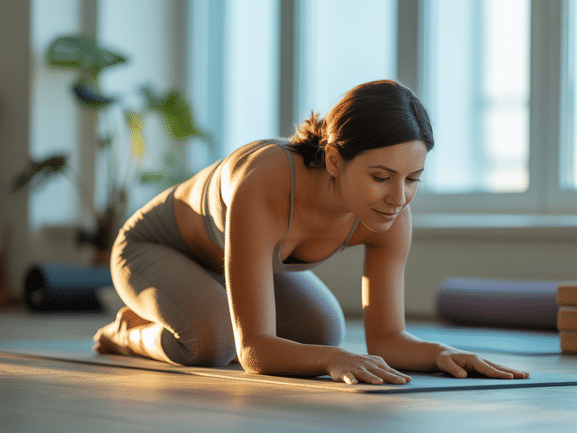
- Child’s Pose (Balasana): This gentle resting pose calms the mind and relieves tension in the back, neck, and shoulders.
- Cat-Cow Stretch (Marjaryasana-Bitilasana): This dynamic movement synchronizes breath with spinal flexion and extension, releasing tension along the spine and promoting a sense of calm.
- Legs-Up-The-Wall (Viparita Karani): An incredibly restorative pose that helps calm the nervous system, reduce anxiety, and alleviate tired legs.
- Corpse Pose (Savasana): Though it looks simple, this final relaxation pose is crucial for integrating the benefits of your practice, allowing for deep rest and stress release.
How Meditation Calms a Restless Mind
Meditation is a practice dedicated to training attention and awareness to achieve a state of mental clarity and emotional calm. It’s not about silencing your thoughts but rather observing them without judgment. Have you ever felt trapped in a relentless cycle of worry? Meditation provides the tools to step back, observe the mental chatter from a distance, and find the stillness within.
According to a study from the National Center for Complementary and Integrative Health (NCCIH), consistent meditation practice can reduce symptoms of anxiety, depression, and insomnia.
Types of Meditation for Stress Management
Different meditation techniques can help you manage stress. Finding the one that resonates with you is key to building a sustainable practice.
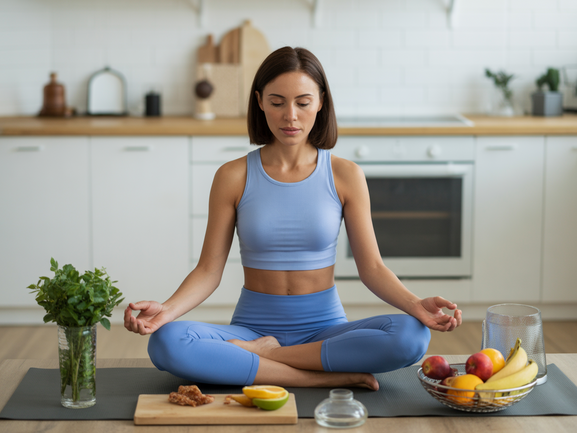
- Mindfulness Meditation: The most common type, where you focus on your breath and observe thoughts, feelings, and sensations as they arise and pass.
- Guided Meditation: Ideal for beginners, a teacher or an app like the Vitalizen App guides you through visualizations to achieve relaxation.
- Transcendental Meditation: Involves the silent, effortless repetition of a specific mantra to settle the mind into a state of deep rest.
- Walking Meditation: This active form of meditation involves paying close attention to the physical sensation of walking and the environment around you.
The Synergy Effect: Combining Yoga and Meditation for Stress
While powerful on their own, yoga and meditation create a synergistic effect when practiced together. Yoga prepares the body for meditation by releasing physical tension and restlessness. A body that is open and relaxed makes it significantly easier for the mind to settle. After a yoga session, the mind is naturally quieter and more receptive to the deep inner work of meditation.
According to 2025 data from the Global Wellness Institute, 78% of individuals who practice yoga and meditation for stress at least three times a week report a significant decrease in anxiety symptoms within eight weeks.
This powerful combination addresses stress on all levels—physical, mental, and emotional—making it one of the most effective wellness strategies available. For more insights, a study on Harvard Health Publishing highlights how these practices boost mindfulness and overall well-being.
How to Build a Consistent Yoga and Meditation Practice
Starting a new wellness habit can feel intimidating, but integrating yoga and meditation into your daily life is simpler than you might think. The most important principle is consistency, not intensity. A short daily practice is far more beneficial than a long, infrequent one.
Your First Steps to a Calmer You:
- Find a Quiet Space: Designate a small, peaceful corner in your home where you can practice without interruptions for just 10-15 minutes.
- Wear Comfortable Clothing: Choose clothes that allow you to move and breathe freely, without any restriction.
- Start with Expert Guidance: Using a tool like the Vitalizen App is crucial for beginners. It offers guided sessions to ensure you learn proper form and technique safely.
- Be Patient and Kind to Yourself: Your mind will wander—that’s normal. The goal isn’t an empty mind, but to gently guide your focus back to your breath each time it strays.
For more in-depth tips, be sure to explore our wellness blog, which is regularly updated with articles on yoga and meditation for stress.
> 💡 **Tip:** Ready to deepen your practice? Download the Vitalizen App for a free trial and access our complete library of guided yoga and meditation sessions!
Beyond the Mat: The Transformative Benefits of a Consistent Practice
While stress reduction is often the primary motivation, the positive effects of yoga and meditation extend into every area of your life. A consistent practice fosters profound improvements in your mental, physical, and emotional health. At Vitalizen.app, we are committed to making these life-changing benefits accessible to everyone, everywhere.
Mental Clarity and Focus
Regular practice trains your brain to stay focused and less distracted. This translates to enhanced productivity, sharper decision-making skills, and a greater ability to remain present in your daily activities.
Emotional Regulation and Resilience
By creating space between stimulus and response, you gain better control over your emotions. You’ll notice reduced irritability, fewer mood swings, and a greater capacity for patience, leading to healthier relationships.
Improved Physical Health
The benefits are not just in your head. Studies published on platforms like PubMed consistently show that these practices can lead to lower blood pressure, improved sleep quality, increased energy levels, and a more robust immune system.
Frequently Asked Questions
How often should I practice yoga and meditation for stress?
For noticeable benefits, consistency is more important than duration. We recommend starting with a manageable goal of 10-20 minutes per day, 3-5 days a week. Even a few minutes of deep breathing on a busy day can make a significant difference. As you become more comfortable, you can gradually increase the length and frequency of your sessions.
Do I need to be flexible to do yoga?
Absolutely not! This is a common myth. Yoga is the very practice that helps you *build* flexibility and mobility safely over time. It is a personal journey, not a competition. The Vitalizen App provides modifications and beginner-friendly classes, allowing you to progress at your own pace without pressure.
Can yoga and meditation really help with anxiety?
Yes, the scientific evidence is overwhelmingly positive. These practices calm the nervous system by activating the body’s relaxation response, which reduces physiological symptoms of anxiety like a rapid heart rate and shallow breathing. By anchoring your focus in the present moment, you can break the cycle of worry and rumination that fuels anxiety.
Start Your Journey with the Vitalizen Community
You are not alone on this path. By taking the first step, you join a global community of individuals committed to living a more balanced, mindful, and fulfilling life. We are here to support you every step of the way.
> 🎯 **Ready to experience these benefits?** Begin your wellness journey with Vitalizen today and unlock a calmer, more resilient you.
If you have any questions, please don’t hesitate to contact us. We are here to help you thrive.