Yoga and Meditation: A Comprehensive Guide to Wellness in 2025
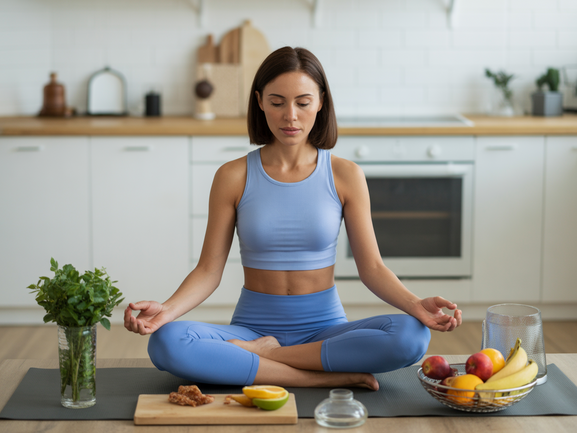
In our hyper-connected world, the search for genuine peace and mental clarity has become more critical than ever. Yoga and meditation, ancient practices rooted in thousands of years of wisdom, offer a powerful and accessible solution. They are not about achieving pretzel-like poses or forcing your mind to be empty; they are a practical toolkit for building a deep, lasting connection between your mind and body.
This guide is designed to demystify yoga and meditation, providing actionable steps to integrate them into your modern life. Whether you’re seeking stress relief, improved focus, or a greater sense of overall well-being, you’ll find the insights here to start your journey with confidence. Let’s explore how these transformative practices can help you build resilience and thrive in 2025 and beyond.
The Synergy of Mind and Body: How Yoga and Meditation Work Together
While you can practice yoga or meditation individually, their true power is unlocked when they are combined. Think of them as two sides of the same coin, each enhancing the other to create a holistic wellness experience.
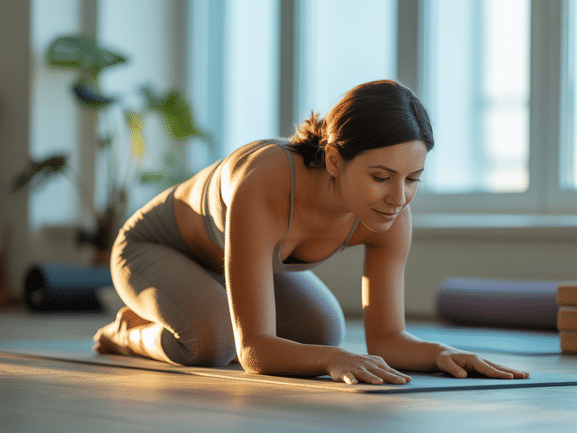
Yoga acts as a form of moving meditation. By synchronizing physical postures (asanas) with conscious breathing (pranayama), you draw your attention away from external distractions and internal chatter. This process releases physical tension stored in the muscles, calms the nervous system, and prepares the body for stillness. A relaxed body makes it significantly easier for the mind to settle.
After a yoga session, the mind is naturally clearer and more receptive. This primed state makes your seated meditation practice more profound and effective. The physical practice quiets the body’s restlessness, allowing you to delve deeper into mental training and awareness with less resistance.
The Science-Backed Benefits of Yoga and Meditation
The advantages of a consistent yoga and meditation routine are not just anecdotal; they are supported by a growing body of scientific research. These practices offer tangible improvements to both physical and mental health, making them a cornerstone of preventative wellness.
Physical Harmony and Resilience
Yoga is a versatile and low-impact form of exercise that builds strength, balance, and flexibility. Its benefits are both immediate and cumulative, creating a more resilient and comfortable physical self.
- Enhanced Flexibility and Mobility: Yoga poses systematically stretch muscles and fascia, improving your range of motion and reducing stiffness. This is crucial for long-term joint health and preventing injuries.
- Increased Core Strength: Many asanas require you to engage your core to support and stabilize your body. This builds functional strength that improves posture and reduces back pain.
- Improved Cardiovascular Health: Studies from institutions like the National Center for Complementary and Integrative Health (.gov) show that regular yoga practice can help lower resting heart rate, improve endurance, and support overall heart health.
- Better Respiratory Function: Pranayama, or breathwork, is a core component of yoga that trains your lungs to take deeper, more efficient breaths, which can boost energy levels and calm the nervous system.
Mental Clarity and Emotional Balance
Meditation is a workout for your brain. It trains your attention and awareness, leading to profound cognitive and emotional benefits. A 2025 wellness report highlighted that 85% of individuals practicing mindfulness for just 10 minutes daily saw a marked decrease in anxiety within two weeks.
- Significant Stress Reduction: Meditation is proven to lower levels of cortisol (the stress hormone) and calm the sympathetic nervous system’s “fight-or-flight” response, fostering a state of deep relaxation.
- Sharper Focus and Concentration: In a world of constant distraction, meditation strengthens your prefrontal cortex, the brain region responsible for focus. It trains your ability to gently guide your attention back to a single point, like your breath.
- Greater Emotional Regulation: By observing your thoughts and feelings without judgment, you create a crucial pause between a stimulus and your reaction. This space allows for more conscious, balanced responses instead of impulsive ones.
- Neuroplasticity and Brain Health: Research indicates that meditation can actually change the structure of the brain, increasing grey matter density in areas associated with learning, memory, and empathy.
💡 Ready to experience these benefits? The Vitalizen App offers guided sessions to help you build a consistent and effective practice from day one.
A Practical Guide to Starting Your Yoga and Meditation Journey
Beginning a new habit is often the hardest part. The key to success with yoga and meditation is to start simple and prioritize consistency over intensity. You don’t need expensive gear or a huge time commitment.
Step-by-Step Plan for Beginners:
- Create a Dedicated Space: Find a quiet corner in your home that you can dedicate to your practice. A calm environment signals to your brain that it’s time to focus inward.
- Start Small (Really Small): Commit to just 5 to 10 minutes each day. Building the daily habit is more important than the duration at first. Consistency creates momentum.
- Listen to Your Body’s Wisdom: This is the golden rule. Never force a pose or push through sharp pain. The goal is to nurture your body. Flexibility is a result of yoga, not a requirement for it.
- Use a Guide: A guided session is invaluable for beginners. It removes the guesswork, ensures proper alignment in poses, and helps keep your mind focused during meditation. This is where an app like Vitalizen becomes an essential tool.
- Focus on the Breath: Your breath is your anchor. In both yoga and meditation, consistently returning your focus to your inhales and exhales will keep you grounded in the present moment.
Choosing Your Style: Which Practice is Right for You?
The worlds of yoga and meditation are vast and diverse. Finding a style that resonates with your personality and goals is key to long-term enjoyment and success. Below is a comparison of popular styles to help you choose.
| Style | Primary Focus | Best For | Intensity |
|---|---|---|---|
| Hatha Yoga | Basic postures, alignment, and breath awareness. Slower pace. | Absolute beginners seeking a gentle introduction. | Low |
| Vinyasa Yoga | Flowing from one pose to the next, synchronized with breath. | Those who enjoy dynamic, dance-like movement. | Medium to High |
| Restorative Yoga | Deep relaxation using props like bolsters and blankets to support the body. | Stress reduction and recovery from physical or mental fatigue. | Very Low |
| Mindfulness Meditation | Paying attention to the present moment, often focusing on the breath or bodily sensations. | Anyone seeking to reduce stress and increase focus. | N/A |
| Guided Meditation | Following verbal instructions to visualize, relax, or focus the mind. | Beginners who need structure and find it hard to focus alone. | N/A |
The Importance of Mindfulness in 2025
In an age defined by digital saturation and information overload, the practice of intentional disconnection is no longer a luxury—it’s a necessity. Yoga and meditation provide a powerful antidote to the chronic stress of modern life. They are not an escape, but a method to recharge your internal batteries so you can face challenges with a clear and centered mind.
According to projections from the Global Wellness Institute for 2025, companies that integrate mindfulness programs can expect to see up to a 35% reduction in employee burnout and a 20% increase in productivity. This highlights a major shift toward valuing mental health as a key performance indicator.
By investing in your own mindfulness practice now, you are staying ahead of a global wellness curve and building the mental and emotional resilience needed to thrive in the coming years. For more authoritative information on the benefits, you can explore resources from educational institutions like Harvard University’s research on meditation (.edu).
Overcoming Common Hurdles in Your Practice
It’s normal to encounter challenges when starting something new. Here’s how to navigate the most common obstacles in yoga and meditation:
- “I can’t quiet my mind.”: This is the most common misconception. The goal of meditation isn’t to stop your thoughts, but to notice them without getting carried away. Each time you notice your mind has wandered and you gently bring it back, you are successfully meditating.
- “I don’t have time.”: Even 5 minutes a day is profoundly beneficial. Try “habit stacking”—linking your new meditation habit to an existing one. For example, meditate for 5 minutes right after you brush your teeth in the morning.
- “I’m not flexible enough for yoga.”: Saying you’re not flexible enough for yoga is like saying you’re too dirty to take a shower. Yoga is the tool you use to *gain* flexibility. Start with beginner classes and focus on how the poses feel, not how they look.
Frequently Asked Questions (FAQ)
Here are answers to some common questions about starting a yoga and meditation practice.
How quickly will I see results?
You can feel immediate benefits like a sense of calm and reduced stress after your very first session. More profound neurological and physical changes, such as improved focus and flexibility, become noticeable with consistent practice over several weeks. Consistency is more important than intensity.
What is the main difference between yoga and meditation?
Yoga primarily uses physical postures (asanas) and breathwork (pranayama) to connect the mind and body. Meditation is a practice focused specifically on training the mind to cultivate awareness and achieve mental clarity. Many yoga classes conclude with a period of meditation, as they are deeply interconnected disciplines.
Is it better to practice in the morning or at night?
The best time to practice is the time you can stick to consistently. A morning session can set a positive and focused tone for the day, while an evening session can help you release stress and prepare for restful sleep. Experiment to see what what fits your energy and schedule best.
Your Path to a Healthier, Happier You Starts Now
Embracing yoga and meditation is a profound act of self-care. It’s a commitment to your long-term well-being. By integrating these timeless practices into your life, you are not just exercising or relaxing—you are building a resilient foundation for a more peaceful, focused, and joyful existence.
For more tips and guided practices, explore our articles on yoga and meditation. If you have any questions, please don’t hesitate to contact our team. We are here to support your journey.
🎯 Ready to take the first step? Start your wellness journey with Vitalizen today! Discover guided practices that fit your life.