


Yoga and Meditation for Health: A 2025 Guide
Yoga and meditation are powerful, time-tested practices. They significantly enhance your physical and mental well-being. This guide explores the profound benefits of integrating them into your life.
Yoga is a mind-body discipline. It combines physical postures, breathing exercises, and meditation. These elements work together to improve flexibility, strength, and balance. Meditation is a practice focused on training attention and awareness. It helps you achieve mental clarity and emotional calm. Together, they offer a holistic approach to health in 2025.
Do you feel overwhelmed by modern life’s demands? You are not alone. The key to a healthier life is often found in quiet moments of peace. Let’s explore how you can start this transformative journey with yoga and meditation.
What is Yoga? A Holistic Path to Wellness
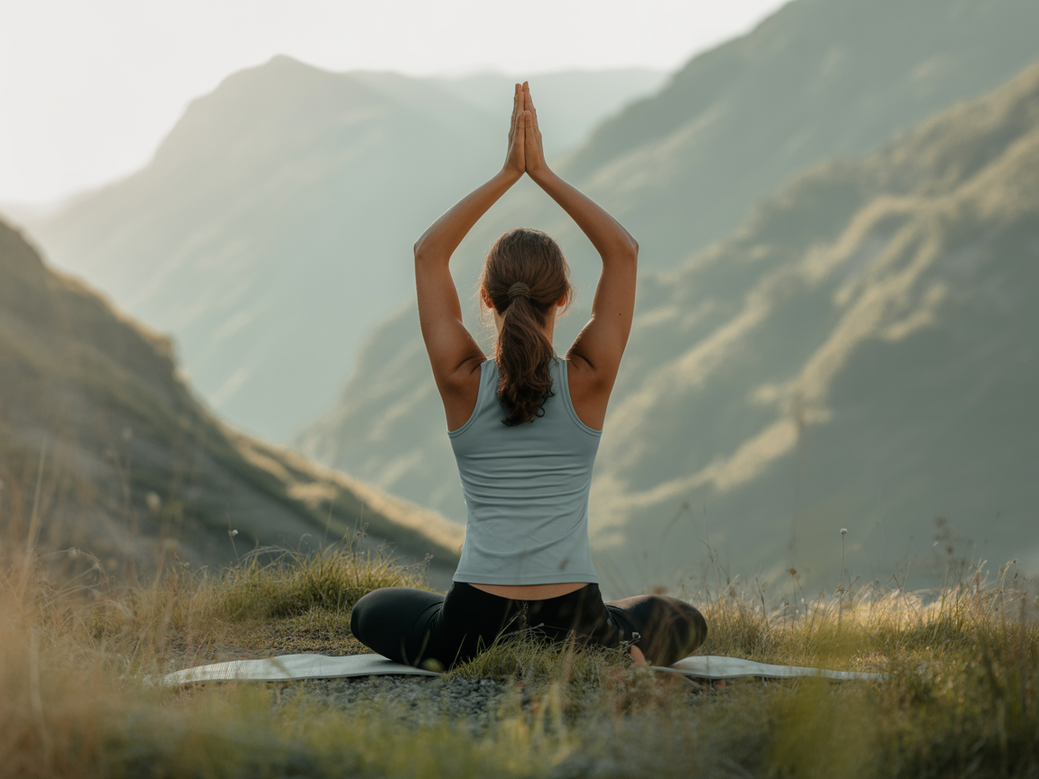
Yoga is a comprehensive system of physical and mental practices. It originated in ancient India over 5,000 years ago. It is not just about complex poses; it is a holistic approach to health. Yoga unites the body, mind, and spirit through its core components.
The practice involves asanas (physical postures), pranayama (breathing techniques), and dhyana (meditation). The primary goal of yoga is to create harmony between your physical and mental states. By focusing on your breath and holding postures, you develop greater self-awareness and inner peace. It is a practice that adapts to your current fitness level.
The Physical Benefits of a Consistent Yoga Practice
Regularly practicing yoga offers a wide range of physical advantages that contribute to overall health. These benefits are accessible to everyone, regardless of their starting point.
- Increased Flexibility and Balance: Yoga poses, or asanas, stretch all major muscle groups. Consistent practice improves your range of motion and stability, reducing the risk of injury.
- Improved Posture and Reduced Back Pain: By strengthening your core and back muscles, yoga helps correct postural imbalances. This is a common cause of chronic pain for many people.
- Enhanced Respiratory Health: Pranayamas, or breathing techniques, are fundamental to yoga. They improve lung capacity, increase blood oxygenation, and support cardiovascular health.
- Boosted Immunity: Research from authoritative sources like the National Institutes of Health (NIH) suggests regular yoga practice helps reduce inflammation and supports a robust immune system.
How Does Meditation Enhance Mental Clarity?
Meditation is a mental exercise that trains your mind to be more focused and aware. It involves observing your thoughts, emotions, and physical sensations without judgment. You do not try to stop your thoughts. Instead, you learn to watch them come and go. This practice helps you develop a more peaceful and less reactive state of mind.
Many types of meditation exist, including mindfulness, guided, and transcendental meditation. The core principle is to focus on a single point of reference. This could be your breath, a mantra, or an object. This focus quiets the mind’s constant chatter and promotes inner calm.
Key Mental and Emotional Benefits of Meditation
The positive impact of meditation on mental health is well-documented. It provides practical tools for managing the challenges of daily life.
- Reduced Stress and Anxiety: Regular meditation calms the nervous system. It is proven to lower levels of cortisol, the body’s primary stress hormone.
- Increased Focus and Concentration: By training your mind to stay present, meditation sharpens your ability to concentrate on tasks and ignore distractions.
- Emotional Balance and Self-Awareness: Meditation allows you to observe your thoughts from a distance. This leads to greater self-understanding and improved emotional regulation.
🎯 Ready to experience these benefits? The Vitalizen App offers guided meditation sessions perfect for beginners. Start your journey to mental clarity today!
The Science-Backed Synergy of Yoga and Meditation
While powerful on their own, yoga and meditation create a synergistic effect when practiced together. Yoga prepares the body for meditation by releasing physical tension. A calm body makes it easier for the mind to settle. This combination provides a comprehensive toolkit for holistic health.
Scientific studies continue to validate these ancient practices. Neuroimaging has shown that meditation can physically change the brain’s structure. A study from Harvard University revealed that just eight weeks of mindfulness meditation increased gray matter density in the hippocampus, an area important for learning and memory. This concept, known as neuroplasticity, shows our brain’s amazing ability to adapt.
Why Mindfulness is a Superpower in 2025
In our hyper-connected world, our attention is constantly divided. Mindfulness, the core of many meditation practices, is the skill of being fully present. In 2025, this skill is more critical than ever for mental well-being. Practicing mindfulness helps you break free from cycles of worry. It empowers you to appreciate the present and improve your relationships.
How to Start Your Yoga and Meditation Practice Today
Starting your journey is easier than you think. You do not need expensive gear or a lot of time. Here is a simple, step-by-step guide to help you begin your practice of yoga and meditation.
- Set a Clear Intention: Ask yourself what you hope to gain. Is it stress relief, better flexibility, or more focus? Your intention will guide your practice.
- Find a Quiet Space: Designate a calm, comfortable area in your home. Find a place where you will not be disturbed for a few minutes.
- Start Small: Begin with just 5-10 minutes a day. Consistency is more important than duration. You can gradually increase the time as you feel more comfortable.
- Use a Guided Resource: An app like Vitalizen is invaluable. It provides guided sessions for all levels, ensuring you learn correct techniques from the start. Read more on our blog.
- Be Patient and Kind: Some days will be easier than others. The goal is not perfection but consistent effort. Celebrate your progress, no matter how small.
Comparing the Costs of Your Wellness Journey
The cost of practicing yoga and meditation varies widely. It can range from completely free to hundreds of dollars per month. Many high-quality resources are available at no cost. However, investing in a structured program can provide guidance and accelerate your progress.
| Practice Type | Average Monthly Cost | Key Features |
|---|---|---|
| Free Apps & Videos | $0 | Basic guided sessions, limited content, ads. |
| Subscription Apps (like Vitalizen) | $10 – $20 | Personalized programs, progress tracking, vast ad-free content library. |
| In-Person Studio Classes | $80 – $200+ | Hands-on instruction, community environment, fixed schedule. |
How the Vitalizen App Can Be Your Personal Guide
Now you understand the benefits of yoga and meditation. You might wonder how to maintain momentum. That is where the Vitalizen App | Yoga + Meditation comes in. Our app is your personal wellness companion. It is designed for complete beginners and experienced practitioners alike.
With Vitalizen, you gain access to a world of wellness resources:
- A comprehensive library of guided yoga and meditation sessions for all levels.
- Customizable programs tailored to your specific goals, from stress reduction to improved flexibility.
- Progress tracking features to keep you motivated and celebrate your achievements.
- Expert instructors who guide you through every step of your practice.
💡 Tip: Ready to transform your life? Start your wellness journey with Vitalizen today! Download the app and begin your free trial.
Frequently Asked Questions (FAQ)
- What is the main difference between yoga and meditation?
- Yoga is a broad discipline including physical postures (asanas) and breathing (pranayama). Meditation is a specific part of yoga focused on training the mind for clarity and calm. Think of meditation as a key component within the larger system of yoga.
- How long does it take to see the benefits of yoga and meditation?
- You can feel benefits like calmness from the first session. However, consistency is key for long-term change. A regular practice of 10-15 minutes daily yields significant results in physical and mental health over several weeks.
- Do I need to be flexible to practice yoga?
- No, this is a common myth! Flexibility is a result of yoga, not a requirement to start. Yoga is for every body type. The Vitalizen App offers beginner classes to help you build flexibility and strength safely.
- Can meditation really change my brain?
- Yes. Neuroscientific studies show consistent meditation leads to measurable changes in brain regions for memory, empathy, and stress. This is known as neuroplasticity, the brain’s ability to form new neural connections.
- Which is better for stress, yoga or meditation?
- Both are excellent for stress reduction. The better choice depends on the individual. Yoga helps release physical tension through movement. Meditation directly trains the mind to be less reactive to stressors. A combination of both offers the most comprehensive relief.
Your Journey to a Better Life Starts Here
In conclusion, yoga and meditation are not just trends. They are powerful tools for anyone seeking a healthier, more balanced, and happier life. With the Vitalizen App, you have everything you need to embark on this journey with confidence and full support.
For more tips on mindfulness, check out resources from Mindful.org. If you have any questions about our app or your practice, please contact us. We are here to help you on your path to wellness.