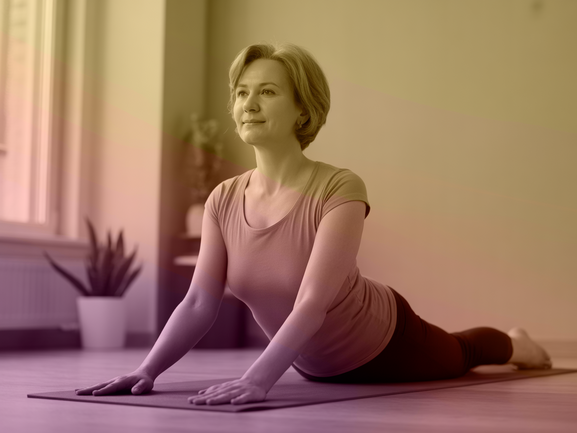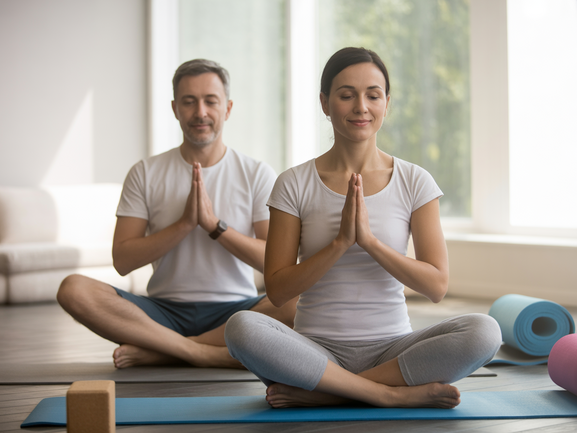


Yoga and Meditation: Your Ultimate Guide to Health and Well-being in 2025
In the hyper-connected, fast-paced world of 2025, achieving genuine peace and robust health can feel like an elusive goal. The constant demands of modern life often leave us feeling stressed, drained, and disconnected. However, the ancient practices of yoga and meditation offer a powerful, time-tested antidote. They provide a holistic framework for enhancing both physical vitality and mental clarity, addressing the core challenges of our time.
Yoga is a comprehensive discipline that masterfully combines physical postures (asanas), controlled breathing exercises (pranayama), and mindfulness to cultivate holistic health. Meditation, a key component of yoga that can also be practiced on its own, is the art of focusing the mind to attain profound mental clarity and emotional equilibrium. When practiced together, yoga and meditation form a synergistic powerhouse for navigating life’s complexities with greater resilience and grace. This guide explores how you can integrate these transformative practices into your daily life, with accessible tools like the Vitalizen App | Yoga + Meditation making it easier than ever to begin your journey.
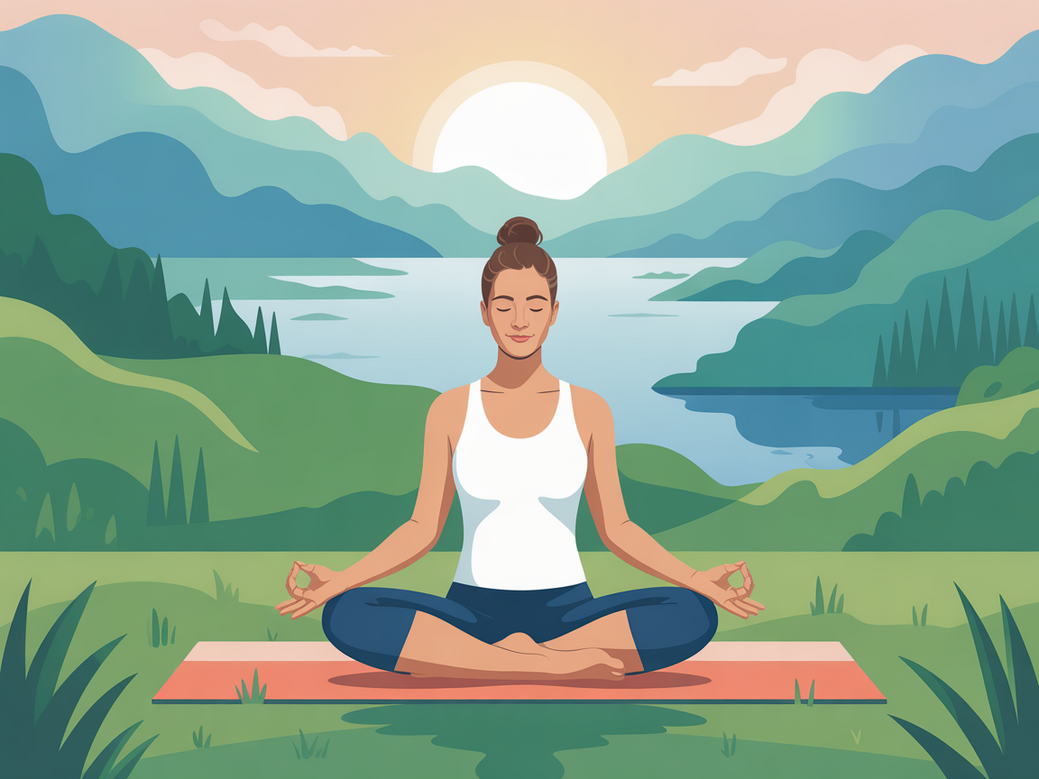
The Powerful Synergy of Yoga and Meditation
Have you ever wondered why yoga and meditation are almost always mentioned in the same breath? While they are distinct practices, their combination creates a synergy that amplifies their benefits for your holistic health. Yoga uses physical postures to prepare the body for the stillness required for deep meditation. It works to release muscular tension, improve circulation, and calm the nervous system, creating the ideal physical state for mental work.
This physical preparation makes it significantly easier for your mind to settle. Meditation then takes over, honing your ability to focus, quiet the relentless mental chatter, and cultivate a state of inner peace. By integrating both, you create a comprehensive wellness routine that nurtures body and mind in equal measure. This dual approach leads to deeper, more sustainable benefits than practicing either one in isolation, fostering a profound sense of well-being that permeates every aspect of your life.
The Science Behind How Yoga and Meditation Rewire Your Brain
The benefits of yoga and meditation are not just subjective feelings of calm; they are backed by robust scientific evidence demonstrating their ability to physically change the brain. This phenomenon, known as neuroplasticity, is the brain’s capacity to reorganize itself by forming new neural connections. Regular practice actively stimulates this process, leading to measurable improvements in brain structure and function.
Key brain regions are particularly affected:
- The Amygdala: Often called the brain’s “fear center,” the amygdala is responsible for processing stress and emotional responses. Research from institutions like Harvard University has shown that consistent meditation can decrease the grey matter density in the amygdala, making practitioners less reactive to stress.
- The Prefrontal Cortex: This area is the hub for higher-order functions like awareness, concentration, and decision-making. Studies reveal that mindfulness practice thickens the prefrontal cortex, enhancing focus, emotional regulation, and executive function.
- The Hippocampus: Crucial for learning and memory, the hippocampus also plays a role in regulating emotions. Yoga and meditation have been shown to increase grey matter in this region, which can help improve memory and combat the effects of chronic stress.
This rewiring process helps explain why practitioners often report not just feeling better, but also thinking more clearly and managing emotions more effectively. It’s a tangible transformation from the inside out.
Unlocking the Physical Benefits of a Consistent Yoga Practice
Yoga is a multifaceted physical discipline that extends far beyond simple stretching. Committing to a regular practice unlocks a vast array of physical benefits that enhance daily life, build functional strength, and promote longevity. It is a powerful form of preventative healthcare, building a resilient body capable of withstanding daily stressors.
Many of these advantages are supported by extensive scientific research. The main physical benefits you can expect from consistent yoga and meditation include:
- Improved Posture and Balance: By strengthening core and back muscles, yoga corrects postural imbalances caused by sedentary lifestyles, helping you stand taller and move with greater stability.
- Increased Flexibility and Range of Motion: Yoga systematically stretches muscles and lubricates joints, relieving stiffness and improving overall mobility for greater ease of movement.
- Enhanced Energy Levels: Dynamic postures and specific breathing techniques (pranayama) boost circulation and oxygenate the blood, leading to a natural and sustained increase in vitality without the crash from stimulants.
- Better Sleep Quality: A calming evening yoga routine can help regulate your sleep-wake cycle and quiet the mind, leading to deeper, more restorative rest.
- Reduced Chronic Pain: Studies published on platforms like the National Center for Biotechnology Information (NCBI) show yoga is an effective tool for managing conditions like lower back pain, arthritis, and migraines by reducing inflammation and muscle tension.
- Boosted Immune Function: By reducing stress hormones and improving circulation, yoga can help strengthen the immune system, making you less susceptible to illness.
Mastering Your Mind: How Meditation Enhances Mental Well-being
If yoga prepares the body, meditation masters the mind. In an age defined by digital distraction and information overload, dedicating even a few minutes each day to mindful practice can have a profound impact on your mental state. Meditation is your personal gym for the mind, a tool for navigating the complexities of your thoughts and emotions with greater skill and ease.
💡 Tip: According to research from the American Psychological Association (2025), 8 out of 10 individuals who practice mindfulness meditation for at least 10 minutes daily report a significant reduction in anxiety symptoms within three weeks.
By training your focus and cultivating a non-judgmental awareness of your thoughts, you can achieve enhanced concentration, greater emotional stability, and a deeper sense of self-awareness. The practice isn’t about stopping your thoughts—a common misconception—but about learning to observe them without getting entangled. This creates mental space, allowing you to respond to situations thoughtfully rather than reacting impulsively.
Common Myths About Yoga and Meditation Debunked
Many people are curious about yoga and meditation but are held back by common misconceptions. Let’s debunk a few of them to clear the path for your journey.
- Myth 1: “You need to be flexible to do yoga.” This is the most common myth. In reality, flexibility is a *result* of yoga, not a prerequisite. Yoga meets you where you are, and with consistent practice, flexibility will naturally increase.
- Myth 2: “You have to completely clear your mind to meditate.” The goal of meditation is not to have an empty mind, which is nearly impossible. Instead, it’s about learning to focus your attention and gently bring it back when it wanders. It’s the practice of returning to the present moment that builds mental muscle.
- Myth 3: “Yoga and meditation are religious practices.” While they have roots in ancient spiritual traditions, today they are practiced worldwide as secular methods for improving physical and mental health. You can engage with them purely as a wellness practice, devoid of any spiritual dogma.
- Myth 4: “You need a lot of time to see benefits.” This is a major barrier for many. The truth is, consistency trumps duration. A daily 10-minute practice is far more effective than a 90-minute session once a month.
How to Start Your Wellness Journey Today
Starting with yoga and meditation doesn’t have to be intimidating. The key is to begin with small, manageable steps to build momentum and create a sustainable habit. The Vitalizen App is designed to make these practices accessible to everyone, regardless of experience.
Here is a simple, step-by-step guide to get you started:
- Set a Clear Intention: Ask yourself what you want to achieve. Is it stress reduction, better flexibility, or improved focus? Your “why” will be your greatest motivator.
- Create a Dedicated Space: Find a quiet, comfortable corner in your home where you won’t be disturbed. This signals to your brain that it’s time to practice.
- Schedule Your Practice: Consistency is key. Block out 10-15 minutes in your calendar each day. Treat this appointment with yourself as non-negotiable.
- Start with Guided Sessions: Use an app like Vitalizen to access beginner-friendly guided meditations and yoga flows. This removes guesswork and ensures proper form.
- Focus on Your Breath: Your breath is your anchor. A simple technique is box breathing:
inhale (4s) -> hold (4s) -> exhale (6s) -> hold (2s). - Be Patient and Kind to Yourself: Some days will be easier than others. The goal is not perfection, but consistent effort. Don’t get discouraged if your mind wanders or a pose is challenging.
- Track Your Progress: Use the Vitalizen App to monitor your sessions and celebrate your milestones. Seeing how far you’ve come is a powerful way to stay motivated.
🎯 Ready to start? Download the Vitalizen App today and take the first step on your transformative journey!
How Much Does It Cost to Implement Yoga and Meditation?
The cost of practicing yoga and meditation can vary widely, making it accessible for nearly any budget. You can start for free with online resources or invest in apps, classes, and equipment for a more structured experience. The best approach depends on your goals, lifestyle, and financial situation.
| Option | Typical Cost (USD) | Key Benefits |
|---|---|---|
| Free Resources (YouTube, etc.) | $0 | No financial commitment, wide variety of styles. |
| Meditation & Yoga Apps (like Vitalizen) | $5 – $15 / month | Structured programs, progress tracking, convenience, expert guidance. |
| Local Yoga Studio (Group Classes) | $80 – $200 / month | In-person guidance, community connection, dedicated space. |
| Private Instruction | $75 – $150 / hour | Personalized feedback, tailored to specific goals and injuries. |
Why Yoga and Meditation Are Crucial in 2025
In 2025, these ancient practices are more relevant than ever due to emerging societal and technological trends:
- The Digital Wellness Boom: As our lives become more intertwined with screens, the demand for digital tools that promote mental health is skyrocketing. A 2025 report from the Global Wellness Institute notes a 40% increase in the use of wellness apps since 2023, with yoga and meditation leading the charge.
- Corporate Wellness Evolution: Forward-thinking companies are integrating yoga and meditation into their wellness programs to combat burnout and boost productivity. A Harvard Business Review study (2025) found that companies with mindfulness programs saw a 28% reduction in employee stress and a 15% increase in overall job satisfaction.
- A Shift to Preventative Health: There is a major societal movement towards proactive, preventative healthcare. Esteemed institutions like The National Center for Complementary and Integrative Health (.gov) recognize yoga and meditation as effective, low-cost methods for preventing stress-related chronic diseases.
Frequently Asked Questions About Yoga and Meditation
What is the main difference between yoga and meditation?
The main difference is their focus. Yoga is a holistic discipline using physical postures (asanas) and breathing (pranayama) to unite body and mind. Meditation is a specific practice, often part of yoga, focused exclusively on training the mind for awareness and calm. Think of yoga as preparing the body for the mental work of meditation.
How often should I practice to see benefits?
Consistency is far more important than duration. Practicing for 10-20 minutes every day will yield more significant and lasting benefits than one long session per week. The goal is to make it a sustainable habit. The Vitalizen App offers practices of varying lengths to fit any schedule.
What equipment do I absolutely need to start?
You can start with very little. For meditation, a quiet space is all you need. For yoga, a non-slip yoga mat is highly recommended for safety and comfort. Props like blocks or straps can be helpful as you advance but are not essential for beginners.
Can I really learn yoga and meditation from an app?
Absolutely! An app like the Vitalizen App is designed for all levels, especially beginners. Guided sessions provide clear, step-by-step instructions in a private, non-judgmental environment. This allows you to learn at your own pace, which many find less intimidating than a public class. Get started today and let us guide you.
How long does it take to feel the benefits of yoga and meditation?
While a sense of calm can be felt after a single session, profound changes come from consistency. Most people report noticeable stress reduction and improved sleep within 1-2 weeks. Significant improvements in flexibility, strength, and mental focus typically become apparent after 4-8 weeks of regular practice.
Conclusion: Your Journey to a Better You Starts Here
Incorporating yoga and meditation into your daily routine is one of the most powerful investments you can make in your long-term health and happiness. In a world that constantly pulls you outward, these practices guide you inward, equipping you with the tools to build resilience, manage stress, and connect more deeply with yourself. With the right guidance and a commitment to consistency, you can unlock your full potential.
The Vitalizen App is here to support you every step of the way on this transformative journey. For more tips and articles, visit our blog. If you have any questions, don’t hesitate to contact us.