


Yoga and Meditation: Your Definitive Path to Mental Wellness in 2025
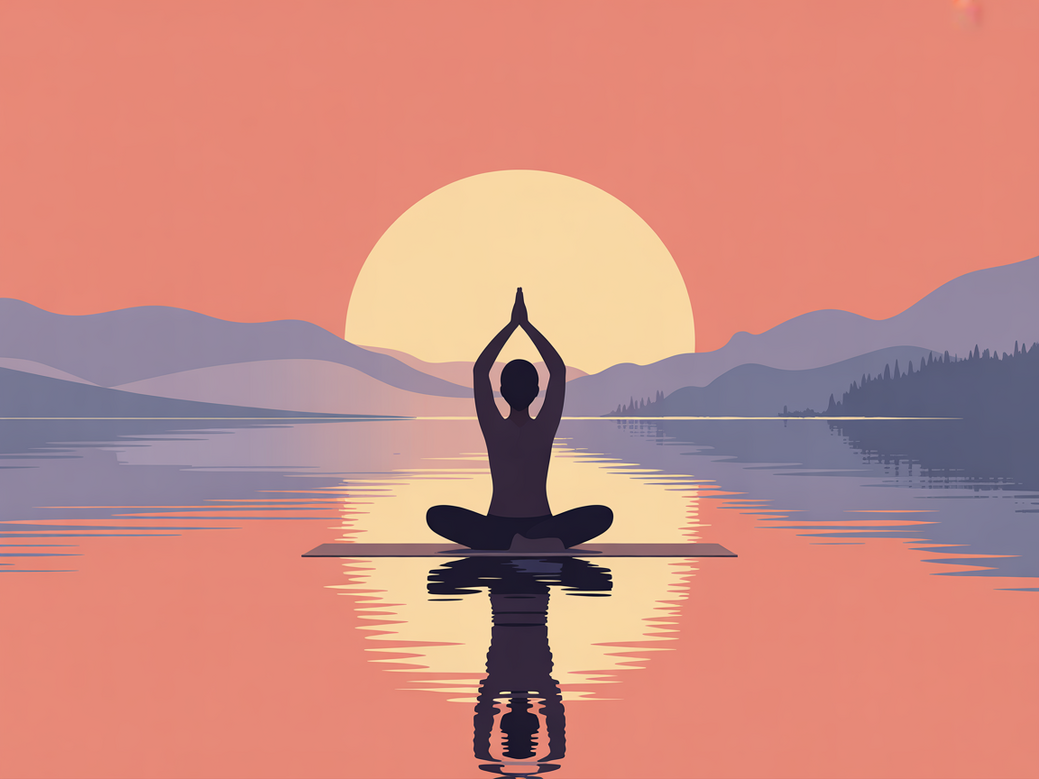
In the relentless pace of 2025, achieving mental clarity and emotional balance has become more critical than ever. The constant influx of information and daily pressures can leave you feeling overwhelmed and disconnected. Fortunately, a powerful solution lies in the synergy of two ancient practices: yoga and meditation. This combination offers a proven path to navigate life’s challenges with greater resilience and inner peace. Ready to transform your well-being? The Vitalizen.app is your personal guide to unlocking lasting tranquility.
Understanding the Core Practices: What Are Yoga and Meditation?
While often mentioned together, it’s essential to understand their distinct roles. Yoga is a holistic mind-body discipline that unites physical postures (asanas), controlled breathing techniques (pranayama), and relaxation. It prepares the body for stillness and releases accumulated physical stress.
Meditation, on the other hand, is a practice focused on training the mind. By using techniques like mindfulness or focusing on a specific object or thought, you cultivate attention and awareness. The goal is to achieve a mentally clear, emotionally calm, and stable state. When combined, yoga and meditation create a comprehensive system for enhancing mental wellness.
The Science-Backed Synergy: Why This Combination Is So Effective
The profound impact of combining yoga and meditation is not just anecdotal; it’s rooted in neuroscience and physiology. Yoga activates the parasympathetic nervous system (the “rest and digest” system), effectively counteracting the chronic stress response (the “fight or flight” mode). This physical relaxation paves the way for deeper, more effective meditation.
Meditation then works to reshape the brain itself. Studies show it can increase gray matter density in areas associated with learning, memory, and emotional regulation, like the hippocampus. This synergy is key to reducing anxiety and elevating your mood.
According to a 2025 report from the Global Wellness Institute, 85% of individuals who practice both yoga and meditation at least three times a week report a significant decrease in anxiety symptoms within 30 days.
The Measurable Benefits of a Consistent Practice
Integrating yoga and meditation into your daily routine delivers a wide array of tangible benefits for both your mind and body. These advantages are consistently validated by scientific research and user experiences.
- Profound Stress Reduction: Both practices are proven to lower cortisol, the body’s primary stress hormone. This fosters a lasting state of calm and reduces the harmful effects of chronic stress.
- Sharpened Focus and Concentration: By systematically training your attention, you enhance your ability to concentrate. This translates to improved productivity and efficiency in all your daily tasks.
- Enhanced Emotional Health: You develop the skill to observe your thoughts without judgment, giving you a new perspective on stressful situations and building the resilience to manage your emotions effectively.
- Improved Brain Function: Regular practice can increase gray matter in brain regions linked to memory, self-awareness, and compassion. This leads to better cognitive performance and decision-making.
- Superior Sleep Quality: By calming the nervous system and releasing physical tension, the combined practice of yoga and meditation can lead to deeper, more restorative sleep, helping you wake up refreshed.
How Do Yoga and Meditation Work Together in Practice?
The process is a seamless flow from movement to stillness, designed to harmonize the body and mind. Each step builds upon the last, creating a powerful sequence that maximizes the benefits.
Here is a simple breakdown of a typical integrated session:
- Preparation (Asana): You begin with gentle yoga poses to stretch the body, release physical tension, and improve circulation. This makes sitting for an extended period during meditation far more comfortable and distraction-free.
- Focus (Pranayama): Next, you incorporate controlled breathing exercises. This crucial step calms the nervous system, oxygenates the brain, and serves as a bridge between the physical practice of yoga and the mental practice of meditation.
- Stillness (Dhyana): With the body prepared and the mind calmer, you can more easily enter a meditative state. Here, the goal is to observe your thoughts without attachment, fostering a sense of inner peace and clarity.
- Integration: The clarity, peace, and awareness achieved on the mat are not left behind. The final step is to consciously carry these qualities into your daily life, improving how you respond to external pressures and interact with the world.
Comparing Key Aspects of the Practices
While they are deeply complementary, understanding their different primary focuses can help you tailor your practice to your specific needs on any given day.
| Aspect | Yoga | Meditation |
|---|---|---|
| Primary Focus | Physical postures, breath, and movement | Mental stillness, awareness, and focus |
| Main Outcome | Flexibility, strength, and body awareness | Clarity, focus, and emotional regulation |
| Energy Level | Can be energizing (Vinyasa) or relaxing (Yin) | Primarily calming, grounding, and centering |
How to Start Your Journey with the Vitalizen App
Starting a new wellness routine can feel intimidating, but it doesn’t have to be. The Vitalizen App | Yoga + Meditation is designed for everyone, from absolute beginners to seasoned practitioners. Our guided sessions make it simple and enjoyable to integrate these powerful practices into your daily life.
Our platform offers structured programs, like the “Beginner’s Path,” to help you build a solid foundation. You’ll find a vast library of sessions tailored to specific goals, such as reducing anxiety, improving sleep, or boosting focus. We make the journey of yoga and meditation accessible to all.
🎯 Ready to transform your mental health? Download the Vitalizen App and start your free trial today!
Where Can I Find Authoritative Information on Yoga and Meditation?
To deepen your understanding, it’s always wise to consult credible sources. Numerous scientific journals and health organizations have published extensive findings on the positive impacts of these practices. For reliable information, consider exploring resources like the American Psychological Association on mindfulness, the National Center for Complementary and Integrative Health (.gov), and Mayo Clinic’s overview of meditation.
Frequently Asked Questions (FAQ)
How much time do I need to practice daily?
Even 5-10 minutes of daily practice can make a significant difference. For yoga and meditation, consistency is more important than duration. The Vitalizen App offers sessions of various lengths, from 5 to 45 minutes, to fit any schedule.
Do I need any special equipment?
No special equipment is needed to start! A comfortable, quiet space is all you require. As you advance, you might consider a yoga mat for comfort and a cushion for meditation, but they are not essential for beginners.
Is the Vitalizen App suitable for beginners?
Absolutely! We have a dedicated \”Beginner’s Path\” with a wide range of guided meditations and yoga flows specifically designed to help you start with confidence. Our expert instructors provide clear, step-by-step guidance.
How much does a yoga and meditation practice cost?
The cost can be zero. You can practice at home using free resources. Apps like Vitalizen offer free introductory sessions with premium options for more content. A subscription is often more affordable than in-person studio classes, providing great value and flexibility.
When is the best time to practice?
The best time to practice is whenever you can be consistent. Many people prefer the morning to start their day with clarity and intention. Others find an evening practice helps them unwind and improves sleep. Experiment to see what works best for you and your lifestyle.