

How Yoga and Meditation Can Forge a Stress-Free Life in 2025
In a world where daily pressures are relentless, the search for tranquility has never been more critical. Yoga and meditation, ancient mind-body practices, offer a powerful and accessible path to achieving mental clarity and inner peace. By combining physical postures, breathing techniques, and focused awareness, they provide a holistic toolkit for stress reduction and improved well-being. This guide explores how you can integrate these disciplines into your routine for a more balanced and genuinely stress-free life.
Understanding Yoga and Meditation: Two Pillars of Wellness
While often mentioned together, yoga and meditation are distinct practices that synergistically enhance one another. Understanding their unique roles is the first step toward leveraging their full potential. Have you ever wondered what truly separates a yoga session from a meditation practice? Let’s explore their core principles.
Defining Yoga: A Union of Mind and Body
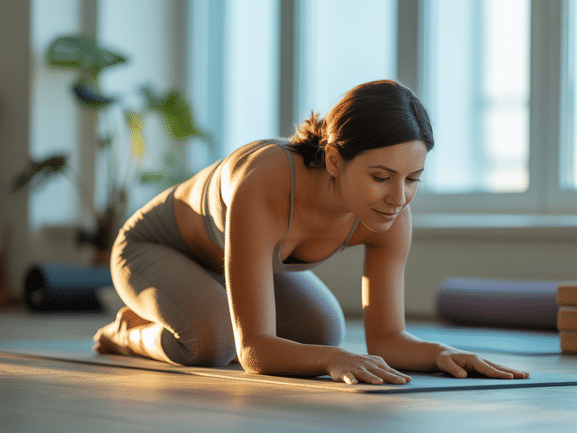
Yoga is a holistic discipline originating thousands of years ago in ancient India. It involves a combination of physical postures (asanas), controlled breathing exercises (pranayama), and meditation or relaxation. The primary goal is to create harmony between the mind and body, building strength, flexibility, and mental resilience. Far from being just a workout, yoga is a form of moving meditation that anchors your awareness in the present moment through physical sensation.
Defining Meditation: Training for Mental Clarity
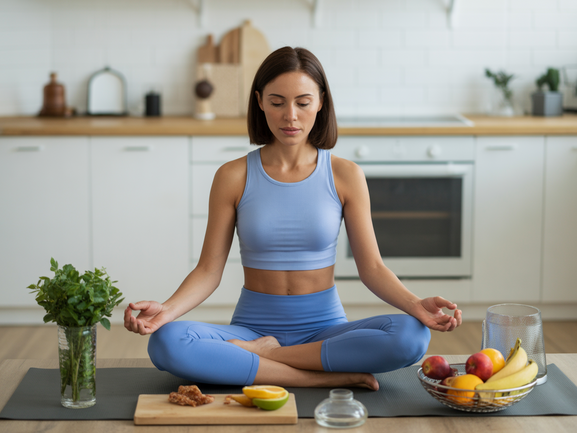
Meditation is the practice of training the mind to achieve a state of deep relaxation and focused awareness. Unlike the dynamic nature of yoga, it is typically practiced while seated or lying down and does not require significant physical exertion. By focusing on an anchor—such as your breath, a mantra, or bodily sensations—you learn to observe your thoughts without judgment. This process helps quiet mental chatter and cultivate a profound sense of calm and stability.
The Science of Stress and the Power of Relaxation
To appreciate why yoga and meditation are so effective, it’s helpful to understand how stress affects the body. Our bodies are hardwired with a “fight-or-flight” response, governed by the sympathetic nervous system. When faced with a perceived threat—be it a work deadline or a traffic jam—this system releases stress hormones like cortisol and adrenaline.
While useful for genuine emergencies, chronic activation of this system leads to a host of health problems, including anxiety, high blood pressure, and a weakened immune system. Yoga and meditation act as a powerful countermeasure by activating the parasympathetic nervous system, often called the “rest-and-digest” system. This shift lowers heart rate, reduces blood pressure, and brings the body back into a state of balance.
According to a 2025 report from the American Psychological Association, nearly 80% of adults report that the COVID-19 pandemic was a significant source of stress in their lives, with effects lingering years later.

Choosing Your Path: Types of Yoga for Stress Relief
Not all yoga is the same. Different styles offer unique benefits, and choosing the right one can significantly enhance your stress-reduction journey. Here are a few styles particularly effective for calming the nervous system:
- Hatha Yoga: A slower-paced, foundational style that focuses on basic postures and breathing. It’s an excellent starting point for beginners looking to build body awareness.
- Yin Yoga: A quiet, meditative practice where poses are held for several minutes. This style targets deep connective tissues and promotes profound relaxation and mindfulness.
- Restorative Yoga: The ultimate relaxation practice. It uses props like bolsters and blankets to support the body completely, allowing you to release all tension without effort.
- Vinyasa Yoga: A more dynamic style that links breath to movement. While physically challenging, the continuous flow can create a state of moving meditation, helping to clear the mind.
Essential Meditation Techniques for Beginners
Meditation can feel intimidating at first, but its essence is simple: paying attention to the present moment. Here are some accessible techniques to start with:
- Mindfulness Meditation: The most common technique. You focus on your breath, noticing the sensation of air entering and leaving your body. When your mind wanders, you gently guide it back to the breath.
- Guided Meditation: A teacher or an app (like Vitalizen) verbally guides you through the meditation process. This is ideal for beginners as it provides structure and focus.
- Walking Meditation: If sitting still is difficult, a walking meditation can be a great alternative. You focus on the physical sensation of your feet on the ground and the movement of your body.
- Mantra Meditation: This involves silently repeating a calming word or phrase (a mantra). The repetition helps to focus the mind and prevent distracting thoughts from taking over.
For more in-depth guidance, check out our Beginner’s Guide to Meditation on the Vitalizen blog.
The Main Benefits of a Consistent Yoga and Meditation Practice
Integrating yoga and meditation into your daily life offers a wide range of scientifically-backed benefits that extend to your physical and mental health. A consistent practice, even for a few minutes a day, can lead to significant improvements.
- Reduced Stress and Anxiety: Both practices are proven to lower cortisol, the primary stress hormone. A study from Harvard University confirms that regular practice can measurably decrease anxiety symptoms.
- Improved Mood and Emotional Regulation: They can increase the production of endorphins and serotonin, the body’s natural “feel-good” chemicals, leading to a more positive outlook.
- Enhanced Focus and Cognitive Function: Meditation, in particular, strengthens the prefrontal cortex, the brain region responsible for concentration, decision-making, and awareness.
- Better Sleep Quality: By calming the nervous system, these practices can combat insomnia and lead to deeper, more restful sleep.
- Increased Physical Resilience: Yoga builds flexibility, strength, and balance, reducing the risk of injury and improving posture.
- Lower Blood Pressure: The deep relaxation achieved through these practices has been shown to help manage hypertension.
To better understand their specific advantages, consider the following table:
| Benefit | Yoga | Meditation |
|---|---|---|
| Physical Strength | High | Low |
| Mental Clarity | Moderate | High |
| Flexibility | High | Low |
| Stress Reduction | High | High |
How to Start Your Wellness Journey Today
Starting with yoga and meditation is easier than you think. You don’t need expensive equipment or a lot of time. With a tool like the Vitalizen App, you can begin your journey from the comfort of your home. Follow these simple steps to get started:
- Define Your Goal: Are you looking to reduce anxiety, improve sleep, or increase flexibility? Knowing your “why” will keep you motivated.
- Schedule a Time: Dedicate a specific, non-negotiable time each day for your practice, even if it’s just for 10 minutes. Consistency is more important than duration.
- Create a Calm Space: Find a quiet corner in your home where you won’t be disturbed. Make it inviting with a candle or soft lighting.
- Start with Guided Sessions: Use an app like Vitalizen to access beginner-friendly guided yoga classes and meditations. This removes the guesswork and ensures proper form.
- Be Patient and Compassionate: Progress takes time. The goal is not to be perfect but to show up consistently for yourself. Some days will be easier than others, and that’s okay.
- Track Your Progress: Notice how you feel before and after each session. Journaling can help you recognize the subtle but powerful shifts in your mood and stress levels.
💡 Tip: Start with a 5-minute guided breathing exercise on the Vitalizen App each morning. It’s a simple, powerful way to begin your day with intention and calm!
How Much Does It Cost to Practice Yoga and Meditation?
The cost of practicing yoga and meditation can vary widely, making it accessible for nearly any budget. You can start for free by finding videos online or using introductory features of apps. For a more structured and comprehensive experience, an app subscription like the Vitalizen App offers a cost-effective solution with a vast library of content. Attending in-person studio classes is typically the most expensive option but provides community and hands-on instruction from a teacher.
Frequently Asked Questions
What if I’ve never done yoga or meditation before?
The Vitalizen App is perfect for beginners! We offer a wide range of introductory classes and guided meditations that will teach you the basics and help you build a solid foundation. You can start with a 5-minute session to learn the fundamentals at your own pace.
How much time do I need to practice each day?
Even just 5-10 minutes of yoga or meditation each day can make a big difference. The Vitalizen App offers practices of varying lengths, from quick 5-minute resets to full 60-minute classes, so you can find something that fits into your busy schedule. Consistency is more important than duration.
Can yoga and meditation really help with anxiety?
Yes! Numerous studies have shown that yoga and meditation can be highly effective in reducing symptoms of anxiety. By calming the nervous system and promoting a sense of inner peace, these practices can help you manage anxiety and feel more in control. For more information, you can read this study on the effects of yoga on mental health from the National Institutes of Health (.gov).
Do I need any special equipment?
You don’t need much to start. For yoga, a non-slip yoga mat is recommended for comfort and safety. For meditation, a cushion or a comfortable chair is helpful. The most important thing is a willingness to start. The Vitalizen App provides guidance on using simple props you may already have at home.
When is the best time to practice?
The best time to practice is whenever you can be consistent. Many people prefer the morning to start their day with clarity and intention. Others find an evening practice helps them unwind and prepare for sleep. Experiment and see what works best for your body and schedule.
About the Author
The Vitalizen App team is a passionate group of certified yoga instructors, mindfulness experts, and wellness advocates dedicated to making mental and physical well-being accessible to everyone. Our mission is to provide authentic, high-quality guidance to help you build a sustainable practice and live a healthier, more peaceful life. Learn more about our approach on our About Us page.
🎯 Ready to experience the transformative power of yoga and meditation? The Vitalizen App is your personal guide to a more peaceful and balanced life. Start your journey to a stress-free life today! If you have any other questions, please don’t hesitate to contact us.