


How to Combine Yoga and Meditation for Profound Inner Balance
In the relentless pace of modern life, finding a true moment of peace can feel like a monumental task. The solution may lie in an ancient, powerful partnership: learning how to combine yoga and meditation. This integrated practice uses physical postures (asanas) and breathwork (pranayama) to prepare the body for a state of deep mental stillness, unlocking profound inner balance and resilience.
This comprehensive guide explores the powerful synergy between these two disciplines. We will delve into the science-backed benefits, provide a step-by-step framework for your practice, and show you how the Vitalizen App | Yoga + Meditation can be your trusted companion on this transformative journey in 2025.
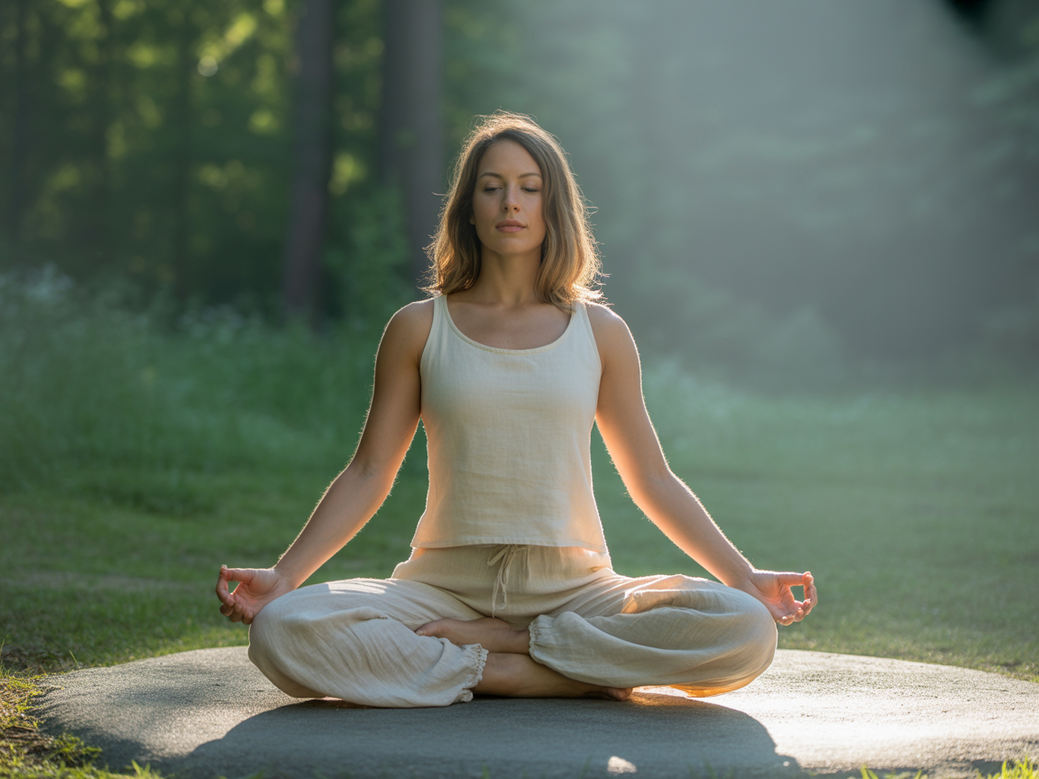
The Symbiotic Relationship: Why Yoga and Meditation Belong Together
While often discussed separately, yoga and meditation are fundamentally intertwined; they are two sides of the same coin. Yoga is frequently described as meditation in motion. The physical practice of yoga (asanas) was traditionally developed to prepare the body and mind for the stillness of meditation. After a yoga session, your muscles are relaxed, your energy flows freely, and your mind is significantly less cluttered. This creates the perfect physiological and psychological conditions for a deep, restorative meditation session.
According to a 2025 study from the Global Wellness Institute, 85% of individuals who regularly combine yoga and meditation report a significant decrease in anxiety, compared to 60% for those who only practice one.
This dynamic creates a virtuous cycle: a consistent yoga practice enhances your ability to sit comfortably and focus during meditation. In turn, meditation sharpens the mindfulness and concentration you bring to your yoga poses. It’s a holistic, powerful approach to nurturing both body and mind.
Science-Backed Benefits of a Combined Practice
In a world saturated with digital distractions and high-pressure environments, actively managing your mental and physical health is a necessity. The combined practice of yoga and meditation offers a potent, evidence-based antidote to modern stressors. Research from institutions like the National Center for Complementary and Integrative Health (.gov) highlights its extensive benefits.
- Drastic Stress and Anxiety Reduction: Both practices are proven to lower cortisol (the primary stress hormone) and activate the parasympathetic nervous system—the body’s natural relaxation response.
- Enhanced Focus and Mental Clarity: Training your mind to remain present during yoga poses and meditation directly strengthens the prefrontal cortex, improving your concentration and decision-making in daily life.
- Increased Physical and Mental Resilience: Yoga builds a strong, flexible body, while meditation cultivates a resilient, calm mind, helping you navigate life’s challenges with greater ease.
- Improved Sleep Quality: By calming the nervous system, this combination is highly effective for combating insomnia. It promotes the natural production of melatonin, leading to deeper, more restorative sleep.
- Greater Emotional Regulation: Regular practice helps you observe your emotions without being controlled by them. This mindful awareness fosters more balanced and thoughtful responses rather than reactive ones.
How to Structure Your Combined Yoga and Meditation Practice
Integrating yoga and meditation into a single, seamless session is simple and incredibly effective. The primary goal is to transition smoothly from physical movement to mental stillness. Here’s a simple, step-by-step flow you can follow, which can be adapted for any duration.
- Centering & Intention Setting (2-3 minutes): Begin in a comfortable seated position. Close your eyes and take several deep, grounding breaths. Set an intention for your practice, such as ‘to find calm’ or ‘to be present’.
- Warm-up & Asana Practice (15-40 minutes): Move through a sequence of yoga postures. Focus on linking your breath to each movement—this is the core of a mindful yoga practice. This is where you release physical tension and quiet the mind’s chatter.
- Cool Down & Savasana (5-10 minutes): Transition to gentle stretches (like a spinal twist or child’s pose) and finally to Savasana (corpse pose). Lie flat on your back and allow your body to completely relax and absorb the benefits of the yoga practice.
- Seated Meditation (5-20 minutes): From Savasana, gently move to a comfortable seated position for your meditation. Keep your spine straight but not rigid. You can focus on your breath, a mantra, or a guided meditation from the Vitalizen App.
Choosing Your Practice Style
Different styles of yoga and meditation can be combined to meet your specific needs for the day. The Vitalizen App offers classes in all these styles. Here’s a quick comparison to help you choose:
| Practice Style Combination | Best For | Intensity |
|---|---|---|
| Vinyasa Yoga + Mindfulness Meditation | Building energy, improving flow, and cultivating present-moment awareness. | Moderate to High |
| Hatha Yoga + Breath Meditation (Pranayama) | Beginners, focusing on alignment, and achieving a state of calm. | Low to Moderate |
| Yin Yoga + Loving-Kindness Meditation | Deep stretching, releasing connective tissue, and fostering self-compassion. | Low |
| Restorative Yoga + Body Scan Meditation | Total relaxation, stress recovery, and reconnecting with your physical self. | Very Low |
Overcoming Common Hurdles on Your Journey
Starting a new routine can come with challenges. Here’s how to address the most common obstacles when you combine yoga and meditation:
- “My mind is too busy to meditate.” This is the most common challenge and the very reason to meditate. Your goal isn’t to have an empty mind, but to notice when it wanders and gently guide it back. Think of it as a bicep curl for your brain. Guided meditation is especially helpful here.
- “I’m not flexible enough for yoga.” This is like saying you’re too dirty to take a shower. Flexibility is a result of yoga, not a prerequisite. A good yoga practice meets you where you are. Start with beginner classes and focus on how your body feels, not how the poses look.
- “I don’t have enough time.” Even 10 minutes of combined practice is more beneficial than none. A short 7-minute yoga flow followed by a 3-minute meditation can completely reset your day. The key is consistency, not duration.
> 💡 **Tip:** The Vitalizen App was designed to solve these exact problems, offering guided sessions from 5 to 60 minutes for all levels.
How to Start Your Journey with the Vitalizen App
Now that you understand the what, why, and how, the path forward is clear. The Vitalizen App was created to make the journey of combining yoga and meditation accessible and rewarding for everyone. We eliminate the guesswork by providing a vast library of expertly guided yoga classes and meditations that you can mix and match to create your perfect wellness routine.
Whether you have 10 minutes in the morning or an hour in the evening, you can find the perfect practice for your schedule and goals. Our programs are designed to help you build a consistent habit that sticks.
🎯 **Ready to start?** Download the Vitalizen App and begin your free trial today! Discover a new way of living with more peace, focus, and happiness.
Frequently Asked Questions
What is the main benefit of combining yoga and meditation?
The primary benefit is the synergistic effect. Yoga releases physical tension and calms the nervous system, preparing the body for a deeper, more focused state of meditation. This powerful combination amplifies stress reduction and enhances mental clarity far more effectively than practicing either discipline alone.
How much time do I need to practice daily to see results?
Consistency outweighs duration. Starting with just 15-20 minutes a day—such as 10 minutes of yoga followed by 5-10 minutes of meditation—can produce significant benefits. The Vitalizen App offers guided sessions of various lengths to seamlessly fit into any schedule.
I’m a total beginner. Can I still use the Vitalizen App?
Absolutely. The Vitalizen App is designed for all experience levels, featuring dedicated guided programs for beginners. Our step-by-step instructions ensure a safe, effective, and welcoming introduction to both yoga and meditation, allowing you to progress at your own pace.
When is the best time of day to practice yoga and meditation?
The ideal time to practice is whenever you can maintain consistency. Many people prefer the morning to cultivate a positive and focused mindset for the day ahead. Others find an evening practice helps them de-stress and prepare for a restful night’s sleep. We recommend you experiment to discover what best suits your lifestyle.
What if I’m not flexible enough for yoga?
This is a common misconception. Yoga is not about achieving perfect poses; it’s about connecting with your body. Flexibility is a result of practice, not a prerequisite. The Vitalizen App offers beginner-friendly yoga classes that focus on gentle movements and modifications to help you build flexibility safely over time.
Do you have more questions? Feel free to contact our support team. We are here to help you on your journey to a more balanced and fulfilling life.
For more insights, explore authoritative resources like Yoga Journal and studies from academic sources like the Brown University Clinical and Affective Neuroscience Laboratory (.edu).
Last updated: December 23, 2025