

How to Start Meditating: A Practical Guide for 2025
In the relentless pace of modern life, finding a moment of genuine peace can feel like an impossible goal. What if you could access a state of profound calm and clarity on demand? This is the promise of meditation, an ancient practice with scientifically-backed, life-changing potential. This guide provides a comprehensive, step-by-step framework to help you start meditating effectively.
With supportive tools like the Vitalizen App | Yoga + Meditation, embarking on your meditation journey has never been more accessible. Let’s explore how you can integrate this powerful practice into your life.
What Exactly Is Meditation?
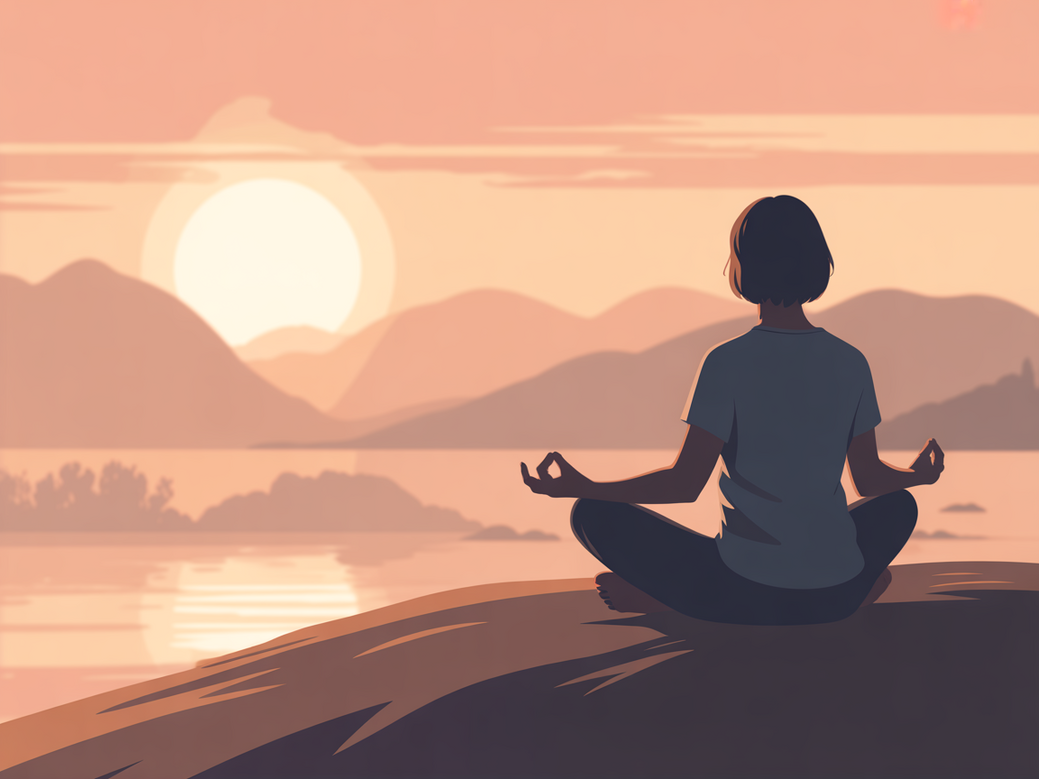
At its core, meditation is a mental exercise that trains attention and awareness. The goal is to achieve a state of mental clarity and emotional calm. A common misconception is that meditation requires you to stop all thoughts or empty your mind. Instead, the practice is about observing your thoughts without judgment. You learn to detach from the constant internal chatter and connect with a quieter, more centered part of yourself.
This practice involves various techniques, such as mindfulness or focusing on a specific object, sound, or sensation (like the breath). Through consistent training, you develop a stable and serene state of being. For a deeper understanding, explore the fundamentals of mindfulness on our blog.
The Science-Backed Benefits of Meditation
Why should you invest your time in meditation? The advantages are extensive and well-documented by scientific research. Primarily, meditation is a formidable tool for stress management. It calms the nervous system, which in turn reduces anxiety and fosters a pervasive sense of well-being.
According to the American Psychological Association, mindfulness meditation can effectively “reduce rumination, stress, and emotional reactivity,” leading to a higher quality of life.
Key Benefits of a Consistent Meditation Practice:
- Profound Stress Reduction: It actively lowers cortisol levels, the body’s primary stress hormone, promoting a state of relaxation.
- Sharpened Focus: Regular meditation enhances your ability to concentrate for extended periods, boosting productivity and performance.
- Improved Sleep Quality: Many practitioners report deeper, more restful sleep, which is crucial for overall health.
- Enhanced Emotional Health: It fosters a more positive outlook, increases self-awareness, and improves emotional regulation.
- Better Memory and Cognitive Function: Studies from institutions like UMass Memorial Health demonstrate a positive impact on working memory and cognitive flexibility.
- Increased Resilience: Over time, meditation helps you navigate life’s challenges with greater ease and emotional balance.
How to Meditate: A Simple 5-Step Guide for Beginners
Ready to begin your meditation practice? This simple, step-by-step guide will get you started. Remember, the objective is not perfection but gentle and consistent persistence.
- Find a Quiet and Dedicated Space: Select a location where you can be undisturbed for a few minutes. This could be a corner of your room, a quiet park, or even your car. Minimizing external distractions is key to a successful session.
- Get Comfortable and Aligned: Sit in a comfortable position. You can use a cushion on the floor or sit on a chair with your feet flat. Keep your back straight but not rigid to allow energy to flow. Rest your hands gently on your lap or knees.
- Focus on Your Breath: Gently close your eyes. Bring your full attention to the physical sensation of your breath. Notice the air entering your nostrils, filling your lungs, and then gently leaving your body. Simply observe its natural rhythm without trying to change it.
- Acknowledge Thoughts Without Judgment: Your mind will inevitably wander—this is a normal part of meditation. When you notice your thoughts drifting, gently acknowledge them as ‘thinking’ and then guide your focus back to your breath. This act of returning is the core of the practice.
- Start Small and Be Consistent: Begin with just 5 minutes a day. As you grow more comfortable, you can gradually increase the duration. Consistency is far more important for building a habit than the length of each individual session.
> 🎯 **Ready to take the next step?** Start your wellness journey now with guided meditations on the Vitalizen App.
Exploring Different Types of Meditation
Meditation is not a one-size-fits-all practice. There are many styles, each with a unique focus. Exploring different types can help you find the one that resonates most with you.
Popular Meditation Techniques:
- Mindfulness Meditation: This popular technique involves paying attention to your thoughts as they pass through your mind. You don’t judge the thoughts or become involved with them; you simply observe and take note.
- Guided Meditation: In this style, a teacher or an app (like Vitalizen) guides you through the meditation process. They may use imagery, music, or spoken instructions to help you relax and focus. This is ideal for beginners.
- Walking Meditation: If sitting still is a challenge, walking meditation is an excellent alternative. You focus on the movement of your body as you walk, the sensation of your feet on the ground, and the environment around you.
- Transcendental Meditation (TM): This is a simple, mantra-based technique practiced for 15-20 minutes twice a day. It’s known for its simplicity and effectiveness in promoting deep relaxation.
- Vipassanā Meditation: An ancient Indian technique, Vipassanā means to see things as they really are. It involves a deep interconnection between mind and body, realized through disciplined attention to physical sensations.
Overcoming Common Challenges in Meditation
As you start meditating, you may encounter a few common hurdles. Knowing what to expect can help you navigate them with ease and keep your practice on track.
- The ‘Busy’ Mind: It’s a myth that you need to have a completely clear mind. The goal is to notice the busyness and gently return your focus. Each time you do, you are strengthening your ‘attention muscle’.
- Feeling Restless or Fidgety: Physical discomfort is common. Try a different position or a walking meditation. Sometimes, just observing the restlessness without reacting to it can be a powerful practice in itself.
- Drowsiness: If you feel sleepy, it may be a sign you need more rest. Try meditating at a different time of day or sit in a more upright posture. Avoid meditating right after a heavy meal.
- Lack of Time: Even 5 minutes of meditation is beneficial. The key is consistency. Look for small pockets of time in your day, such as during your morning coffee or before bed. The Vitalizen app offers short, effective sessions for busy schedules.
How Much Does Meditation Cost?
One of the most significant advantages of meditation is its accessibility. At its core, the practice is completely free. You do not need special equipment or expensive memberships to begin. However, you can choose to invest in items or services to enhance your practice and comfort.
Here is a breakdown of potential costs to consider for your meditation journey in 2025:
| Item/Service | Category | Estimated Cost (2025) |
|---|---|---|
| Basic At-Home Practice | Core | $0 |
| Meditation Apps (like Vitalizen) | Guidance | $10 – $70 / year |
| Meditation Cushion (Zafu) | Comfort | $30 – $80 (one-time) |
| Local Classes or Workshops | Community | $15 – $50 / session |
| Weekend Retreats | Immersion | $300 – $800+ |
Frequently Asked Questions About Starting Meditation
What if I can’t sit still?
This is a very common concern! If sitting still is a challenge, you can try a walking meditation or gentle yoga. Both are available on the Vitalizen App. The goal is to find a mindful practice that works for your body. Movement-based mindfulness can be just as effective as seated meditation.
How long does it take to see results from meditation?
While some people report feeling calmer after their very first session, the most profound benefits of meditation come from consistent practice. Most individuals feel a noticeable improvement in stress and focus within a few weeks of daily practice. Long-term change is a gradual process.
Do I need special equipment to start meditating?
Not at all. To begin meditation, all you truly need is a quiet space and a willingness to try. While accessories like cushions can enhance comfort during longer sessions, they are not necessary. You can start your meditation practice right now, exactly as you are.
What is the best time of day to meditate?
The best time to meditate is whenever you can consistently fit it into your schedule. Many people prefer the morning to start their day with clarity. Others find an evening session helps them decompress and prepare for sleep. Experiment to discover what time works best for you and your lifestyle.
Is it okay if I fall asleep during meditation?
Yes, it’s quite common, especially for beginners or those who are sleep-deprived. If you frequently fall asleep, it might be a sign that you need more rest. You could also try meditating in a more upright posture, like sitting on a chair, to help maintain alertness during your practice.
Your Journey to a More Mindful Life Starts Today
Embarking on a meditation practice is a powerful gift of self-care. It is a journey of self-discovery, peace, and profound well-being that can reshape your entire experience of life. With the Vitalizen App, you have a supportive companion every step of the way. It offers guided meditations, yoga sessions, and a community to share your experience.
> 💡 **Tip:** Don’t wait to start living a more centered and joyful life. Begin your journey today and discover the transformative power of meditation. If you have any questions, feel free to contact us.