


How to Start Meditating: A Practical Guide for Beginners
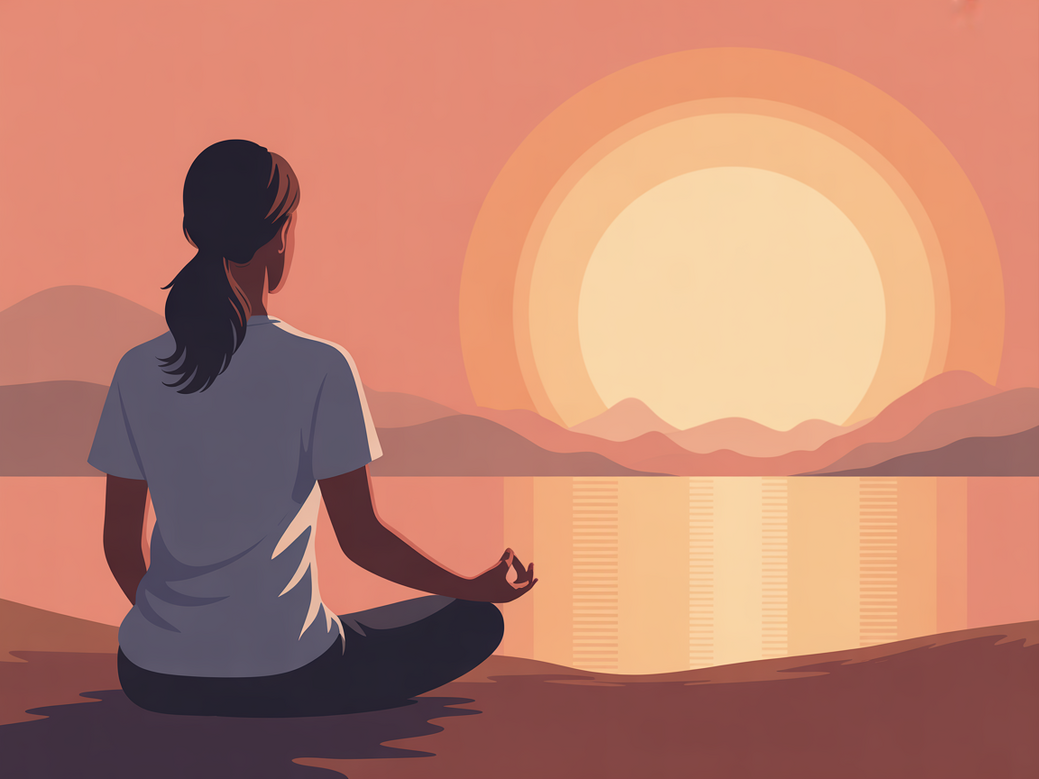
In the constant rush of modern life, finding a moment of genuine peace can feel like an impossible task. What if you could cultivate a state of calm and clarity, accessible whenever you need it most? This is the core promise of meditation, a practice more essential in 2025 than ever. If you’re wondering how to start meditating, you’ve come to the right place. This guide provides everything a beginner needs to know, and shows how the Vitalizen App | Yoga + Meditation can be your trusted companion on this transformative journey.
What Exactly Is Meditation?
At its heart, meditation is a practice for training attention and awareness. By using techniques like mindfulness, you learn to achieve a state that is both mentally clear and emotionally calm. A common misconception is that meditation is about stopping your thoughts entirely. Instead, the goal is to observe them as they arise without judgment. This simple act of observation creates a crucial space between a thought and your reaction to it, granting you greater control over your emotional landscape.
Think of it as a dedicated workout for your brain. Just as physical exercise strengthens your muscles, learning how to meditate strengthens your mind. This mental fortitude is indispensable for navigating the complexities and pressures of daily life, making it a vital skill for personal well-being.
Why Prioritize Meditation for Your Well-Being?
The benefits of a consistent meditation practice extend far beyond a few fleeting moments of tranquility. It is a powerful, evidence-based tool for profound personal growth. Ever wonder why so many successful individuals and high-performers credit meditation as a key to their success? The answer is found in its deep, positive impact on both mental and physical health.
According to a 2025 report from the Global Wellness Institute, mindfulness and meditation apps saw a 45% increase in user engagement over the past year, highlighting a growing global focus on mental health.
Decades of scientific research have validated the incredible benefits of this ancient practice. These are not just anecdotal claims; they are backed by extensive studies from reputable institutions.
- Reduces Stress and Anxiety: Meditation is proven to lower cortisol levels, the body’s primary stress hormone, helping you feel more relaxed.
- Improves Focus and Concentration: It strengthens the prefrontal cortex, the brain region responsible for attention, memory, and decision-making.
- Enhances Self-Awareness: By observing your thoughts, you learn to understand your emotions and mental patterns on a much deeper level.
- Promotes Restful Sleep: Calming the mind before bed can combat insomnia and lead to more restorative, higher-quality sleep.
- Lowers Blood Pressure: Many practitioners experience a significant and lasting decrease in blood pressure over time, reducing the risk of heart disease.
- Boosts Emotional Health: It fosters a more positive outlook on life and can increase compassion for yourself and others.
For a deeper dive into the science, a study from Harvard University published on Harvard.edu explores how mindfulness can reshape the brain.
How to Meditate for Beginners: A Simple 5-Step Guide
Starting a meditation practice is far simpler than most people imagine. You don’t need special equipment or extensive training—just a few minutes and a willingness to try. Here’s a basic, step-by-step guide for any meditation for beginners session.
- Find a Quiet and Comfortable Space: Choose a location where you won’t be disturbed for the duration of your session. This could be a corner of your room, a quiet office, or even a peaceful spot in a park.
- Get into a Stable Position: Sit or lie down comfortably. If you’re sitting on a chair, place your feet flat on the floor. If you’re on a cushion, cross your legs. The key is to keep your back straight but not rigid to allow for easy breathing.
- Set a Timer: As a beginner, start with a short, manageable session—5 or 10 minutes is perfect. Using a timer frees you from the distraction of checking the time.
- Focus on Your Breath: Gently close your eyes and bring your attention to the physical sensation of your breath. Notice the feeling of air entering your nostrils, filling your lungs, and then leaving your body. Don’t try to change your breathing; just observe its natural rhythm.
- Acknowledge a Wandering Mind with Kindness: Your mind will wander. This is a completely normal and expected part of the process. When you notice your thoughts drifting, gently and without self-judgment, guide your focus back to your breath. Each time you do this, you are strengthening your meditative muscle.
This foundational practice is the first step. To make the process even smoother, the Vitalizen App offers guided meditations specifically created for beginners. Our expert instructors will walk you through every step, making your first sessions effortless and effective.
> 💡 **Tip:** Ready to try your first guided session? **Download the Vitalizen App** for free and access our beginner-friendly meditation library!
Exploring Different Types of Meditation
Meditation is not a one-size-fits-all practice. There are numerous styles, each with a unique focus. Finding one that resonates with you can make your practice more enjoyable and sustainable. Here are a few popular types of meditation for beginners:
| Meditation Type | Core Practice | Best For |
|---|---|---|
| Mindfulness Meditation | Paying non-judgmental attention to your thoughts, feelings, and bodily sensations as they arise. Often anchored by focusing on the breath. | Beginners, stress reduction, and building a daily habit. |
| Walking Meditation | Focusing on the physical sensation of your body moving as you walk, such as your feet touching the ground. | Those who find it difficult to sit still or want to integrate mindfulness into daily activities. |
| Transcendental Meditation (TM) | A silent mantra-based technique, typically practiced for 15–20 minutes twice a day. Requires instruction from a certified teacher. | Individuals seeking a highly structured, mantra-focused practice. |
| Yoga | A holistic practice that combines physical postures (asanas), controlled breathing exercises (pranayama), and meditation to unite mind, body, and spirit. | People who want to combine physical fitness with mental and spiritual wellness. |
| Loving-Kindness Meditation | Focuses on cultivating feelings of compassion, kindness, and love towards oneself and others by silently repeating positive phrases. | Enhancing empathy, reducing anger, and fostering emotional positivity. |
For further reading, you can explore a comprehensive study on the benefits of different meditation styles from the National Institutes of Health here.
Overcoming Common Challenges for Beginners
When you first start meditating, it’s common to encounter a few hurdles. Knowing what to expect can help you navigate them without getting discouraged.
“I can’t stop thinking!”
This is the most common challenge. Remember, the goal isn’t to have an empty mind. It’s to notice when your mind has wandered and gently bring it back. Think of it as training a puppy—it requires patience and repetition.
“Am I doing this right?”
If you are sitting, breathing, and attempting to focus, you are doing it right. There is no perfect state to achieve. The practice is the goal itself. Guided meditations can be very helpful here, as they provide structure and reassurance.
“I don’t have time.”
Even 5 minutes a day can make a significant difference. Try linking your meditation practice to an existing habit, like your morning coffee or right before you brush your teeth at night. This technique, known as habit stacking, makes it easier to integrate into a busy schedule.
Frequently Asked Questions About Starting Meditation
How long should I meditate each day as a beginner?
As a beginner, starting with just 5-10 minutes a day is a fantastic way to build a consistent habit. For meditation, consistency is far more important than duration. As you become more comfortable, you can gradually increase the time at your own pace.
What is the absolute best time to meditate?
The best time to meditate is simply the time you can commit to consistently. Many people find that meditating first thing in the morning helps them start their day with calm and focus. However, an evening session can be a wonderful way to unwind and release the stress of the day before sleep.
Do I need any special equipment to start meditating?
No, you do not need any special equipment. All that’s required is a quiet space and your willingness to practice. While some people prefer using a cushion or bench for better posture and comfort, your chair, bed, or the floor works perfectly fine.
How much does it cost to learn how to meditate?
The practice of meditation itself is completely free. You can start right now with the simple guide provided above. Optional resources like apps, classes, or retreats often have associated costs. The Vitalizen App offers both free introductory sessions and premium content to guide your practice.
What if I fall asleep while I’m trying to meditate?
Falling asleep is very common, especially for beginners or if you’re sleep-deprived. It may simply be a sign that you need more rest. If it happens frequently, try meditating in a more upright seated position rather than lying down. Don’t worry about it; just return to your practice the next day.
Your Journey Starts Now
You now have the knowledge and tools to start meditating and unlock a world of inner peace and mental resilience. Remember that every expert was once a beginner. Be patient and compassionate with yourself as you embark on this rewarding path.
Ready to experience the transformative power of guided meditation and yoga? The Vitalizen App is here to support you every step of the way. With a vast library of guided meditations, yoga classes, and wellness resources, we provide everything you need to cultivate a healthier, happier life.
> 🎯 **Ready to begin?** Start your wellness journey with Vitalizen today and discover the profound benefits for yourself.
For more tips on yoga, mindfulness, and meditation for beginners, be sure to explore our articles, news, and guidance. If you have any questions, please don’t hesitate to contact our team.