


Meditation for Beginners: A Guide to a Calmer, Focused Life
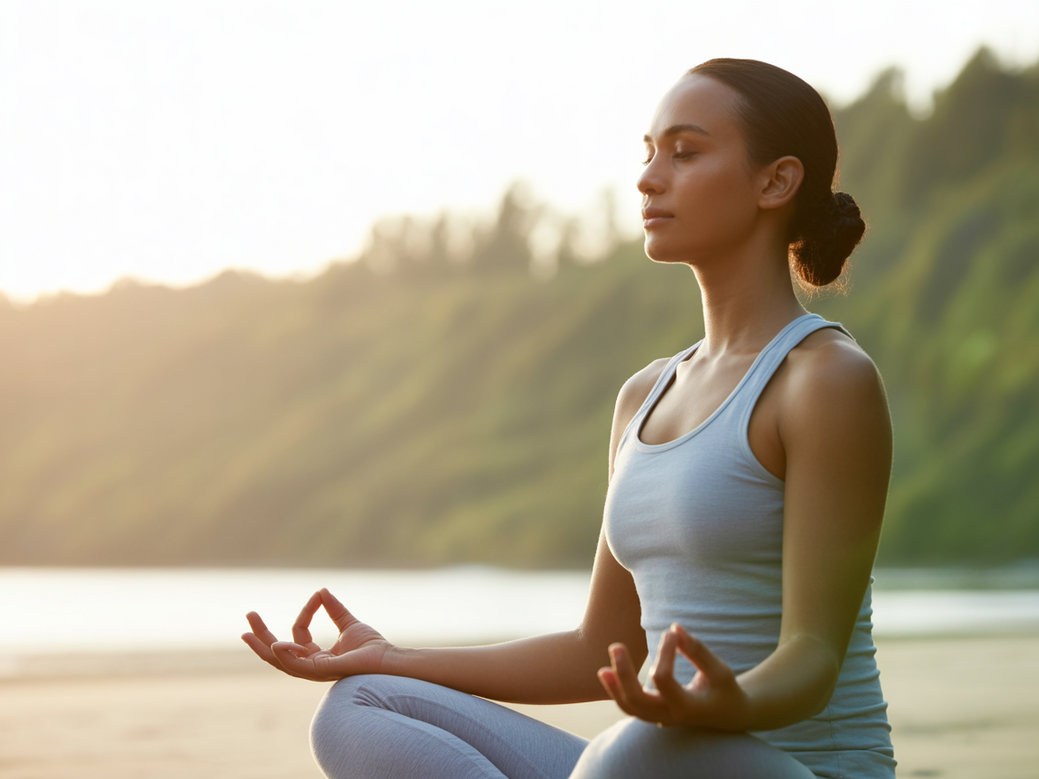
Discover the science-backed benefits of meditation, a powerful practice for transforming your mental and physical health. This guide provides everything you need to start your journey toward a more balanced, focused, and happier life today.
In our fast-paced, hyper-connected world, finding a moment of peace can feel like a monumental task. The constant stream of notifications, deadlines, and responsibilities can leave us feeling stressed and overwhelmed. What if you could access a state of deep calm and mental clarity, anytime and anywhere? This is the promise of meditation.
This guide will explore the profound practice of meditation, demystifying its techniques and revealing the extensive, science-backed benefits it offers. From reducing anxiety to enhancing productivity, learning how to meditate is one of the most valuable skills you can cultivate for modern life.
What Exactly Is Meditation?
At its core, meditation is a practice where an individual uses a technique—such as mindfulness or focusing on a specific object, thought, or activity—to train attention and awareness. The goal is to achieve a mentally clear, emotionally calm, and stable state. It’s not about forcefully stopping your thoughts, but rather learning to observe them without judgment.
Think of it as a workout for your brain. By regularly engaging in a meditation practice, you cultivate a deeper understanding of your mind’s patterns. This ancient practice, once rooted in spiritual traditions, has been extensively validated by modern science for its powerful effects on both the brain and body. This inner peace is not a fleeting luxury; it’s a skill you can develop through consistent practice.
The Science-Backed Benefits of a Consistent Meditation Practice
The advantages of meditation are extensive, impacting everything from stress levels to cognitive function. Modern research continues to validate these positive effects, establishing meditation as a cornerstone of holistic health and well-being.
According to a 2025 report from the Global Wellness Institute, 85% of individuals who practice meditation consistently for over six months report a significant decrease in anxiety and a major improvement in their overall quality of life.
1. Drastically Reduces Stress and Anxiety
One of the most celebrated benefits of meditation is its ability to reduce stress. When you experience stress, your body releases cortisol, the primary stress hormone. Chronic elevation of cortisol can lead to numerous health problems. Meditation has been proven to lower these cortisol levels, inducing a state of deep relaxation.
By focusing on your breath, you activate the parasympathetic nervous system, which counters the body’s fight-or-flight response. This provides immediate calm and, more importantly, builds long-term resilience to life’s inevitable pressures. A study from Johns Hopkins University found that mindfulness meditation can be as effective as antidepressants in treating symptoms of anxiety and depression.
2. Enhances Focus, Memory, and Productivity
In a world filled with digital distractions, the ability to maintain focus is a superpower. A landmark study from Harvard University revealed that mindfulness meditation can physically alter the brain’s structure in just eight weeks. It increases gray matter density in the hippocampus (crucial for learning and memory) and in structures associated with self-awareness, compassion, and introspection.
This enhanced focus and cognitive function translate directly to better performance and productivity. Regular meditation strengthens your ability to filter out distractions, stay on task for longer periods, and make more deliberate decisions.
3. Improves Sleep Quality
Millions of people struggle with sleep. Meditation can be a powerful, natural remedy. It helps quiet the racing thoughts that often keep us awake at night. By calming the nervous system and reducing anxiety, meditation makes it easier to fall asleep and improves the overall quality of your rest, helping you wake up feeling more refreshed.
4. Fosters Emotional Health and Self-Awareness
Meditation provides a unique opportunity to get to know yourself on a deeper level. By observing your thoughts and feelings without judgment, you begin to understand your internal landscape. This increased self-awareness is the first step toward positive change, helping you recognize destructive patterns and cultivate a more positive outlook on life.
Popular Types of Meditation Explained
There are many paths to a quiet mind. Finding the right style of meditation can make your practice more enjoyable and effective. Here are some of the most common techniques:
- Mindfulness Meditation: Originating from Buddhist teachings, this is the most popular style in the West. It involves paying attention to your breath and observing your thoughts as they pass through your mind without judgment. It’s excellent for beginners and highly effective for stress reduction.
- Guided Meditation: In this style, a teacher’s voice guides you through the meditation process. They may use imagery, body scans, or affirmations to help you relax and focus. This is ideal for beginners who find it difficult to focus on their own. The Vitalizen App | Yoga + Meditation offers a vast library of guided sessions.
- Transcendental Meditation (TM): This is a simple, mantra-based technique practiced for 15-20 minutes twice a day. Practitioners silently repeat a specific mantra to achieve a state of deep relaxation and inner stillness. It’s known for its profound stress-relieving effects.
- Vipassanā Meditation: This ancient Indian practice means “to see things as they really are.” It involves deep self-observation to understand the fundamental nature of reality. It’s an intensive practice often learned during silent retreats and is aimed at achieving profound self-awareness.
- Walking Meditation: If sitting still is a challenge, walking meditation is a great alternative. You focus on the physical sensation of your feet on the ground and the movement of your body. It’s a wonderful way to integrate mindfulness into daily activity.
💡 Ready to start your journey? The Vitalizen App is designed to make meditation accessible for everyone, with guided sessions for every goal and experience level. Download it today and take the first step!
How to Start Your Meditation Practice in 5 Simple Steps
Starting a meditation practice is far simpler than most people imagine. You don’t need special equipment or a large time commitment. Consistency is the key. Follow these steps to begin your journey.
- Find a Quiet Space: Choose a location where you won’t be disturbed for a few minutes. This could be a corner of your bedroom or even your parked car. The environment should feel safe and calm.
- Set a Realistic Time Limit: If you’re new to meditation, start with just five minutes a day. It’s better to meditate for five minutes every day than for one hour once a month. Consistency builds the habit and rewires the brain.
- Get Comfortable: Sit or lie down in a comfortable position. You don’t need to force yourself into a lotus position. A chair with your feet flat on the floor works perfectly. Keep your back straight but not rigid to allow energy to flow.
- Focus on Your Breath: Gently close your eyes and bring your attention to the sensation of your breath. Notice the feeling of the air entering your nostrils, filling your lungs, and then leaving your body. Don’t try to control it; just observe.
- Observe Your Thoughts Without Judgment: Your mind will wander—this is completely normal. When you notice your thoughts drifting, gently acknowledge them and then guide your focus back to your breath. This act of returning your focus *is* the practice of meditation.
Overcoming Common Challenges for Beginners
As you begin your meditation journey, you might encounter a few common obstacles. Knowing what to expect can help you navigate them with patience and kindness toward yourself.
- “I can’t stop thinking!”: This is the most common misconception. The goal of meditation is not to have an empty mind, but to become aware of your thoughts. Simply notice them and return to your breath. Every time you do this, you are strengthening your focus.
- Feeling Restless or Fidgety: It’s normal to feel antsy when you first start. Your body and mind are used to constant stimulation. Try a body scan meditation, where you bring attention to different parts of your body, to help ground yourself.
- Falling Asleep: If you find yourself dozing off, try meditating in a more upright position, like sitting in a chair. Also, avoid meditating right after a heavy meal or when you’re already very tired. Morning meditation can be a great solution.
Frequently Asked Questions About Meditation
How long does it take to see the benefits of meditation?
While some benefits, like a sense of calm, can be felt immediately after your first session, more significant and lasting changes, such as structural brain changes, can be observed in as little as eight weeks of consistent daily practice.
Do I need to sit in a specific position to meditate?
No, you don’t have to sit in a full lotus position. The most important thing is to be comfortable with a straight, supported spine. You can sit on a chair with your feet flat on the floor, on a cushion, or even lie down (though this may lead to sleep).
Is it okay if my mind is really busy when I meditate?
Absolutely! A busy mind is the reason to meditate. The goal is not to forcefully empty your mind, but to become an impartial observer of your thoughts. With practice, you’ll learn not to get carried away by them and will naturally experience more moments of quiet.
When is the best time of day to meditate?
The best time to meditate is whenever you can consistently fit it into your schedule. Many people prefer the morning to start their day with clarity. Others find it helpful in the evening to de-stress. Experiment to see what works for you.
Where can I find reliable scientific research on meditation?
Authoritative sources like the National Center for Complementary and Integrative Health (NCCIH), a U.S. government agency, and research databases like PubMed and the NCBI are excellent places for peer-reviewed studies. For example, an article on the NCBI website (PMC4895748) details how mindfulness can remodel the brain.
Ready to Transform Your Life with Meditation?
The journey to a healthier, happier, and more focused you is just a breath away. By integrating meditation into your daily routine, you are giving yourself the gift of peace and resilience. Don’t just read about the benefits—experience them for yourself.
🎯 Start your practice today! With the Vitalizen App, you have a powerful tool to guide you every step of the way. If you have any questions, learn more about our approach at What is Vitalizen.app? or contact us directly.
Last updated: December 24, 2025