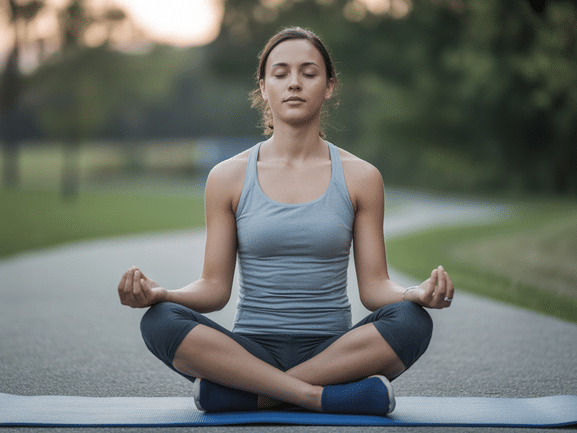


Meditation for Stress: Your Comprehensive Guide for 2025
In our hyper-connected, fast-paced world, stress has become a pervasive challenge, impacting both our mental and physical health. But what if you could cultivate a state of profound calm amidst the daily chaos? This is the promise of meditation for stress, a powerful, science-backed practice designed to quiet your mind, reduce anxiety, and enhance your overall well-being. With modern tools like the Vitalizen App, embarking on this transformative journey has never been more accessible.
What Exactly Is Meditation for Stress?
At its core, meditation for stress is a mental workout that trains attention and awareness. It involves a set of techniques—such as mindfulness or focusing on a specific object, thought, or activity—to achieve a mentally clear, emotionally calm, and stable state. It’s a common misconception that meditation is about stopping your thoughts or emptying your mind. Instead, it’s about observing them without judgment, creating a space between your thoughts and your reaction to them. Think of it as building your brain’s resilience muscle.
This practice helps you develop a new relationship with your thoughts, allowing you to respond to stressful situations with clarity and intention rather than reacting impulsively. By establishing a consistent routine, you build a personal sanctuary of calm that you can access anytime you feel overwhelmed, fostering a lasting sense of inner peace and control.
The Science: Why Meditation Is Crucial for Well-Being in 2025
The demands of modern life are intensifying, and their toll on our health is undeniable. A 2025 report from the World Health Organization highlighted that stress-related disorders have surged by 25% globally since 2020. This alarming statistic makes effective stress management not just a luxury, but a fundamental necessity for a healthy life.
The scientific evidence supporting meditation is overwhelming. Neuroimaging studies reveal that consistent practice can literally rewire your brain for the better. This phenomenon, known as neuroplasticity, shows a decrease in gray matter density in the amygdala—the brain’s fear and anxiety center—while simultaneously increasing density in the prefrontal cortex, which governs focus, decision-making, and emotional regulation. This is a physical change that enhances your ability to cope with life’s pressures.
According to a landmark 2025 study from Stanford University’s School of Medicine, individuals practicing mindfulness meditation for just eight weeks showed a significant reduction in cortisol levels, the body’s primary stress hormone.
Furthermore, research from institutions like the National Center for Complementary and Integrative Health (NCCIH) confirms that meditation activates the parasympathetic nervous system. This counteracts the ‘fight or flight’ response, promoting a ‘rest and digest’ state that lowers heart rate, reduces blood pressure, and calms the entire body.

Key Meditation Techniques for Stress Relief
There are various paths to a calmer mind. Finding the right technique for you can make your practice more enjoyable and effective. Here are some of the most proven methods for stress reduction:
- Mindfulness Meditation: The most popular technique. It involves focusing on your breath and observing your thoughts, feelings, and bodily sensations as they arise and pass without judgment. It’s about being present in the moment.
- Body Scan Meditation: A deeply relaxing practice where you bring focused awareness to different parts of your body in sequence, noticing any sensations like warmth, tingling, or tension without trying to change them.
- Walking Meditation: An active form of meditation for stress. You focus on the physical sensation of your feet on the ground and the movement of your body as you walk, synchronizing breath with steps.
- Loving-Kindness Meditation (Metta): This practice involves directing well-wishes and feelings of compassion towards yourself and others. It’s particularly effective for reducing feelings of anger and resentment.
- Guided Meditation: Ideal for beginners. A teacher or an app, like Vitalizen, guides you through the entire process, making it easy to stay focused and relaxed.
The Transformative Benefits of a Consistent Practice
The advantages of meditation extend far beyond a momentary feeling of calm. With consistent practice, you can unlock profound and lasting benefits for your mind, body, and emotional state.
Mental and Emotional Benefits
A consistent meditation practice is one of the most effective ways to improve your mental resilience.
- Reduced Stress and Anxiety: By lowering cortisol levels and calming the nervous system, meditation directly combats the physiological effects of stress.
- Improved Emotional Health: It fosters a more positive outlook, increases self-awareness, and helps you regulate your emotional responses.
- Enhanced Focus and Concentration: Meditation is a workout for your prefrontal cortex, strengthening your ability to control your attention and ignore distractions.
Physical Health Benefits
The mind-body connection is powerful, and calming the mind has a direct positive impact on physical health.
- Better Sleep Quality: It helps quiet the racing thoughts and mental chatter that often interfere with restful sleep.
- Lower Blood Pressure: The deep relaxation achieved during meditation has been shown to reduce hypertension over time.
- Increased Resilience: It builds your capacity to cope with challenging situations, both emotionally and physically.
💡 Tip: Ready to experience these benefits? Download the Vitalizen App and start your first guided meditation session for free!
How to Start Your Meditation Practice Today (It’s Easy!)
Getting started with meditation for stress is simpler than you might think. You don’t need special equipment or a silent mountain retreat. All you need is a few minutes, a comfortable spot, and a willingness to try. Remember, consistency is far more important than duration, especially at the beginning.
Your First 5-Minute Meditation Session:
- Find a comfortable spot: Sit on a chair with your feet flat on the floor, or on a cushion. Keep your back straight but not stiff to allow for easy breathing.
- Set a timer: Use your phone or a clock for 5 minutes. This frees you from worrying about time.
- Focus on your breath: Close your eyes and take a few deep, cleansing breaths. Notice the sensation of the air filling your lungs and then leaving your body.
- Acknowledge your thoughts: Your mind will wander. This is completely normal and expected. When you notice it has, gently and without judgment, guide your focus back to the sensation of your breath.
- Gently conclude: When the timer goes off, slowly open your eyes. Take a moment to notice how you feel physically and mentally before jumping back into your day.
To make this process even smoother, the Vitalizen App offers a dedicated course for beginners, with guided meditations specifically designed for stress reduction. Start your wellness journey now and discover a library of resources at your fingertips.
How Much Does It Cost to Implement Meditation?
One of the greatest attributes of meditation is its accessibility. You can start with a budget of zero, or you can choose to invest in tools and resources to support and deepen your practice. The choice is entirely up to you and your personal needs.
| Option | Cost | Key Features |
|---|---|---|
| Self-Guided Practice | Free | Use a timer, focus on breath; offers total flexibility and costs nothing. |
| Free Apps & Videos | Free | Access to basic guided meditations and community resources online. |
| Premium Apps (like Vitalizen) | $10-$15/month (average) | Large library, specialized courses, progress tracking, offline access, and expert guidance. |
| In-Person Classes/Workshops | $15-$50+ per session | Personalized feedback, strong community support, and immersive environment. |
The Vitalizen App: Your Partner in Wellness
So, what is Vitalizen.app? It’s more than just an app; it’s a complete wellness ecosystem that combines Yoga and Meditation to help you find balance in your life. We provide hundreds of guided sessions for all levels, from complete beginners to advanced practitioners. Therefore, you can progress at your own pace, building a solid and lasting foundation for a less stressful, more fulfilling life. For more tips, explore our other articles on yoga and meditation.
Frequently Asked Questions About Meditation for Stress
How long does it take to feel the benefits of meditation?
While some people report feeling calmer after their very first session, the most significant and lasting benefits come from consistent practice. According to research from Harvard Health, you may start to notice a real difference in your daily stress levels after just a few weeks of regular practice.
What if I can’t stop thinking during meditation?
This is the most common misconception about meditation! The goal is not to stop thinking. Instead, the practice is to notice when your mind has wandered and gently redirect your focus. Every time you bring your attention back to your breath, you are strengthening your mindfulness muscle. It’s the repetition that builds mental strength.
Do I need to sit in a specific position?
No, you don’t need to sit like a pretzel! The most important thing is to be comfortable with your spine relatively straight to allow for easy breathing. You can sit on a chair with your feet flat on the floor, on a cushion, or even lie down (though this can sometimes lead to sleep).
When is the best time of day to meditate?
The best time to meditate is whenever you can do it consistently. Many people find that meditating first thing in the morning helps set a calm tone for the day. Others prefer to meditate during a lunch break to reset, or in the evening to unwind before sleep. Experiment and see what fits best into your schedule.
Can meditation really help with severe anxiety?
Yes, meditation for stress can be a very effective component of a comprehensive treatment plan for anxiety. However, it is not a replacement for professional medical advice or therapy. If you are struggling with severe anxiety, it is crucial to consult with a healthcare professional to determine the best course of action for your specific needs.
Ready to Feel the Difference? Take the First Step
In conclusion, incorporating meditation for stress into your daily routine is a scientifically-proven, powerful, and highly accessible way to manage the pressures of 2025 and beyond. It empowers you to take control of your mental well-being, one breath at a time, building a foundation of resilience that will serve you in all areas of your life.
🎯 Ready to start? Download the Vitalizen App | Yoga + Meditation today and take the first step towards a more serene and centered you. If you have any questions, feel free to contact us!