


How to Start Yoga and Meditation: A Beginner’s Guide for 2025
Starting a yoga and meditation practice is a transformative journey toward enhanced mental clarity and physical vitality. If you’re looking to start yoga and meditation, you’re taking a crucial step towards holistic well-being. Yoga integrates physical postures (asanas), breathing techniques (pranayama), and meditation to build strength and flexibility. Meditation, in turn, hones the mind for profound focus and tranquility. This guide offers actionable steps for beginners to seamlessly weave these powerful disciplines into their daily routines, leveraging supportive tools like the Vitalizen App to ensure success.
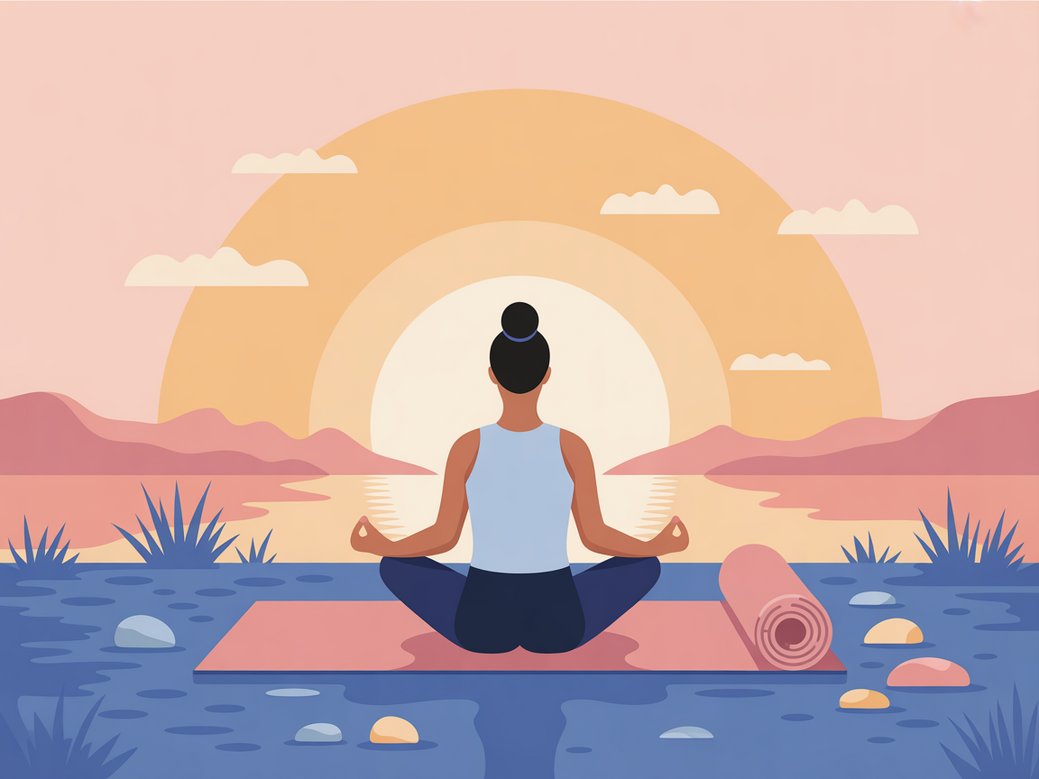
Why Start Yoga and Meditation in 2025?
In our increasingly fast-paced world, the ability to manage stress is no longer a luxury—it’s essential. Yoga and meditation provide a scientifically-backed sanctuary from the relentless pressures of modern life. A consistent practice equips you with a robust toolkit for regulating your nervous system, enhancing resilience, and fostering a deep sense of inner peace. The benefits are not merely anecdotal; they are substantiated by a wealth of scientific research.
A landmark 2025 study from the American Psychological Association revealed that consistent mindfulness and yoga practices can reduce anxiety symptoms by up to 45% after just eight weeks. This underscores the power of making this a regular habit.
The Core Benefits of a Consistent Practice
Committing to a regular yoga and meditation schedule unlocks a wide array of benefits that permeate every aspect of your life. Here’s a deeper look at what you can expect:
- Profound Stress and Anxiety Reduction: By activating the parasympathetic nervous system, these practices lower cortisol (the stress hormone) levels, leading to a calmer, more centered state of being.
- Improved Physical Health: Yoga is renowned for its ability to increase flexibility, enhance balance, and build lean muscle strength. It also improves posture and alleviates chronic pain, such as lower back pain.
- Enhanced Mental Clarity and Focus: Meditation trains your brain to filter out mental clutter, significantly boosting concentration and attention span in your daily tasks.
- Better Sleep Quality: The relaxation response triggered by yoga and meditation helps regulate sleep patterns, leading to more profound and restorative rest.
- Greater Emotional Regulation: These practices provide you with the tools to observe your emotions without judgment, allowing you to respond to situations with greater calm and wisdom.
Understanding the Synergy: How Do Yoga and Meditation Work?
The magic of this practice lies in the powerful synergy between body, breath, and mind. Understanding these core components helps clarify how you can start yoga and meditation effectively.
The Foundation: Asanas (Physical Postures)
In yoga, asanas are the diverse physical postures you practice. Far from being simple stretches, they are meticulously designed to build functional strength, increase flexibility, and release stored physical tension. Each pose serves a unique purpose. As a beginner, you’ll focus on foundational poses that create a solid base. Some key beginner asanas include:
- Mountain Pose (Tadasana): The blueprint for all standing poses, teaching alignment and grounding.
- Cat-Cow Stretch (Marjaryasana-Bitilasana): A gentle flow that warms up the spine and improves flexibility.
- Downward-Facing Dog (Adho Mukha Svanasana): An iconic pose that stretches the entire body and builds upper body strength.
The Life Force: Pranayama (Breathing Techniques)
Pranayama, or conscious breath control, is the vital link between the physical and mental aspects of your practice. By directing your breath, you can directly influence your mental and emotional state. Simple techniques like deep diaphragmatic (belly) breathing can instantly activate the body’s relaxation response, making it an essential tool for anyone looking to start yoga and meditation.
The Goal: Dhyana (Meditation and Focus)
While asana and pranayama prepare the body and mind, Dhyana (meditation) is the practice of sustained, focused attention. This can involve focusing on the breath, a mantra, or bodily sensations to cultivate a state of mindful awareness. It is the component that truly sharpens the mind and fosters inner peace.
Your 5-Step Guide to Start Your Practice Today
Getting started is far simpler than most people imagine. You don’t need to be an expert or invest in expensive equipment. Follow these five steps to begin your journey with confidence.
- Create a Dedicated Space: Designate a small, tranquil corner in your home. Ensure it’s clean, quiet, and a place where you can be undisturbed for 15-20 minutes. This simple act signals to your brain that it’s time to practice.
- Schedule It Like an Appointment: Consistency trumps duration. Block out time in your calendar. Whether it’s 15 minutes upon waking or before bed, making it a non-negotiable part of your schedule is key to forming a habit.
- Leverage Guided Sessions: As a beginner, using a guided app like Vitalizen is invaluable. It removes the guesswork by providing structured classes and meditations tailored to your level, helping you to start yoga and meditation correctly.
- Prioritize Your Breath: Don’t get caught up in achieving perfect poses immediately. Your primary focus should always be maintaining a steady, deep, and conscious breath. The breath will guide you through the movements.
- Listen to Your Body with Kindness: The goal is to challenge yourself gently, not to inflict pain. Flexibility and strength are byproducts of consistent practice, not prerequisites. Be patient and compassionate with your body’s current abilities.
What is the Cost to Practice Yoga and Meditation?
The financial investment in your practice can be adapted to any budget. You can start for free or opt for more structured, premium support. Here’s a breakdown to help you decide:
| Method | Initial Cost | Ongoing Cost | Best For |
|---|---|---|---|
| At-Home (Self-Guided) | $0 – $50 (for a quality mat) | $0 | Budget-conscious individuals and self-starters. |
| Guided Apps (like Vitalizen) | $0 (free trials available) | $10 – $20 / month | Those seeking structured guidance, variety, and flexibility. |
| In-Person Studios | $50 – $150 (introductory offers) | $100 – $200 / month | Beginners desiring community and hands-on corrections. |
Common Questions About Starting Yoga and Meditation
What is the main difference between yoga and meditation?
Yoga is a comprehensive discipline that includes physical postures (asanas), breathing techniques (pranayama), and meditation. Meditation is a specific practice focused on training the mind for heightened awareness and calm, and it is one of the essential components of yoga. To learn more about our integrated approach, visit What is Vitalizen.app?.
How often should a beginner practice?
For beginners looking to start yoga and meditation, practicing 3-4 times per week for 15-20 minutes is an excellent goal. Remember, consistency is more impactful than the duration of a single session.
Do I need to be flexible to start yoga?
Absolutely not. Saying you’re not flexible enough for yoga is like saying you’re too dirty to take a shower. Yoga is the very practice that builds flexibility safely over time. The key is to start where you are and listen to your body.
Are You Ready to Transform Your Well-Being?
You now possess a clear, comprehensive roadmap to start your yoga and meditation practice. The most crucial step is always the first one. Embrace this journey with an open mind and a commitment to self-compassion. Your future self will thank you.
🎯 Ready to start? Download the Vitalizen App today to access guided practices that will support you every step of the way on your new journey.
For more tips and insights, visit our blog or contact us with any questions. For further authoritative reading, explore the resources on mindfulness from the National Center for Complementary and Integrative Health and studies from Harvard University on the benefits of meditation.