

Sustainable Yoga Gear: A 2025 Guide to Eco-Friendly Practice
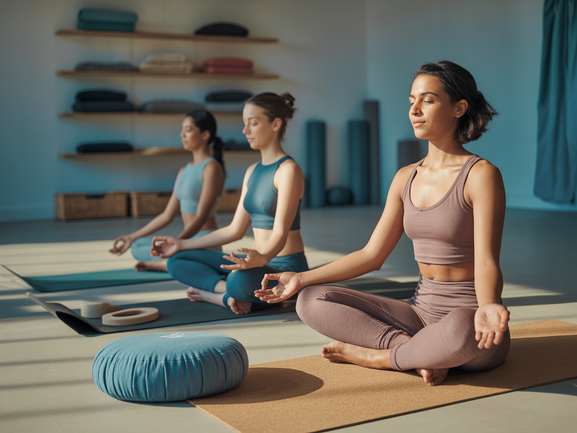
In 2025, the principles of yoga extend far beyond the mat. Sustainable yoga gear represents a conscious choice to align your practice with mindfulness and non-harming (Ahimsa). This means selecting equipment—from mats and blocks to clothing and cushions—made from natural, recycled, or biodegradable materials. It’s about transforming your consumer habits into a meaningful extension of your values.
As environmental awareness intensifies, the demand for eco-conscious products has soared. This guide provides everything you need to know about choosing the right sustainable equipment, understanding the best materials, and making a positive impact on the planet. Let’s explore how you can align your gear with your deepest intentions.
Why Is Sustainable Yoga Gear Essential in 2025?
Have you ever paused to consider the lifecycle of your yoga mat? Many conventional mats are made from PVC (polyvinyl chloride), a synthetic plastic that releases harmful toxins like phthalates and dioxins during production and disposal. Opting for sustainable yoga gear is a powerful decision to protect both the planet and your personal health.
This commitment is a direct practice of Ahimsa (non-harming). By choosing eco-friendly meditation cushions and non-toxic mats, you actively reduce your environmental footprint. According to a recent report from the Environmental Protection Agency (EPA), plastic waste from consumer goods continues to be a major concern, and making sustainable choices is a direct way to combat this trend. For more details, you can review data on plastics at epa.gov.
The Core Benefits of Making the Switch
- Protect Your Health: Eco-friendly materials like natural rubber, cork, and organic cotton are non-toxic and free from the harmful chemicals found in synthetic alternatives.
- Preserve the Planet: Sustainable gear utilizes renewable resources and is often biodegradable, significantly reducing landfill waste and pollution.
- Deepen Your Practice: Many yogis report a stronger, more grounded connection to their practice when using gear made from natural, earthy materials.
- Support Ethical Businesses: Your purchase empowers companies committed to environmental stewardship, fair labor practices, and supply chain transparency.
- Long-Term Durability: High-quality sustainable products are often more durable than their synthetic counterparts, meaning you buy less over time.
A Deep Dive into Eco-Friendly Materials for Yoga Gear
Navigating the world of sustainable materials can feel overwhelming. To make it easier, we’ve broken down the most popular and effective choices for eco-conscious yogis. Each material offers a unique blend of grip, comfort, durability, and sustainability.
Natural Cork
Harvested from the bark of cork oak trees without cutting them down, cork is a truly renewable and sustainable resource. It is naturally antimicrobial, which means it resists mold, mildew, and bad smells.
- Best For: Hot Yoga, Vinyasa
- Pros: Superior grip that increases with sweat, lightweight, antimicrobial.
- Cons: Can be less cushioned than rubber, may feel firm to some users.
Natural Rubber
Sourced from the Hevea brasiliensis tree, natural rubber offers unmatched grip and cushioning. It’s a biodegradable and durable option, making it a favorite for serious practitioners. To ensure sustainability, look for rubber certified by the Forest Stewardship Council (FSC), which guarantees responsible forest management.
- Best For: Vinyasa, Ashtanga, Power Yoga
- Pros: Excellent grip and support, very durable, provides great cushioning.
- Cons: Can be heavy, may have a natural rubber smell initially, not suitable for those with latex allergies.
Jute Fiber
Jute is a natural plant fiber that creates a durable, breathable, and beautifully textured surface. It provides a natural grip and an earthy feel. Jute mats are often blended with PER (Polymer Environmental Resin), a non-toxic material, to enhance stability and comfort.
- Best For: Hatha, Restorative, Static Poses
- Pros: Highly durable, textured for grip, biodegradable.
- Cons: Can feel coarse to sensitive skin, may not offer as much cushion.
Organic Cotton & Hemp
Organic cotton and hemp are excellent choices for yoga rugs, blankets, and clothing. Grown without pesticides or synthetic fertilizers, they are soft, absorbent, and biodegradable. These materials are perfect for practices like Mysore-style Ashtanga or for use as a hygienic layer over a studio mat.
- Best For: Yoga Rugs, Blankets, Apparel
- Pros: Soft and comfortable, highly absorbent, machine washable.
- Cons: Can slip on smooth floors if not secured, less cushioning.
Recycled Materials
Some innovative brands create yoga mats and props from recycled materials, such as TPE (Thermoplastic Elastomer) or even recycled wetsuits. While TPE is a synthetic material, it is non-toxic, recyclable, and a more environmentally friendly option than PVC. This is a great way to give existing materials a second life.
- Best For: All Practices
- Pros: Reduces waste, often lightweight and affordable, closed-loop production potential.
- Cons: Grip and durability can vary widely by brand and composition.
Beyond the Mat: Other Sustainable Yoga Essentials
A truly sustainable practice includes all your accessories. Fortunately, there are eco-friendly options for everything you need.
Yoga Blocks and Straps
Swap out foam blocks for ones made of cork or bamboo. These materials are sturdy, stable, and sustainable. For straps, look for those made from organic cotton or hemp, which are strong, durable, and free from synthetic dyes.
Meditation Cushions (Zafus)
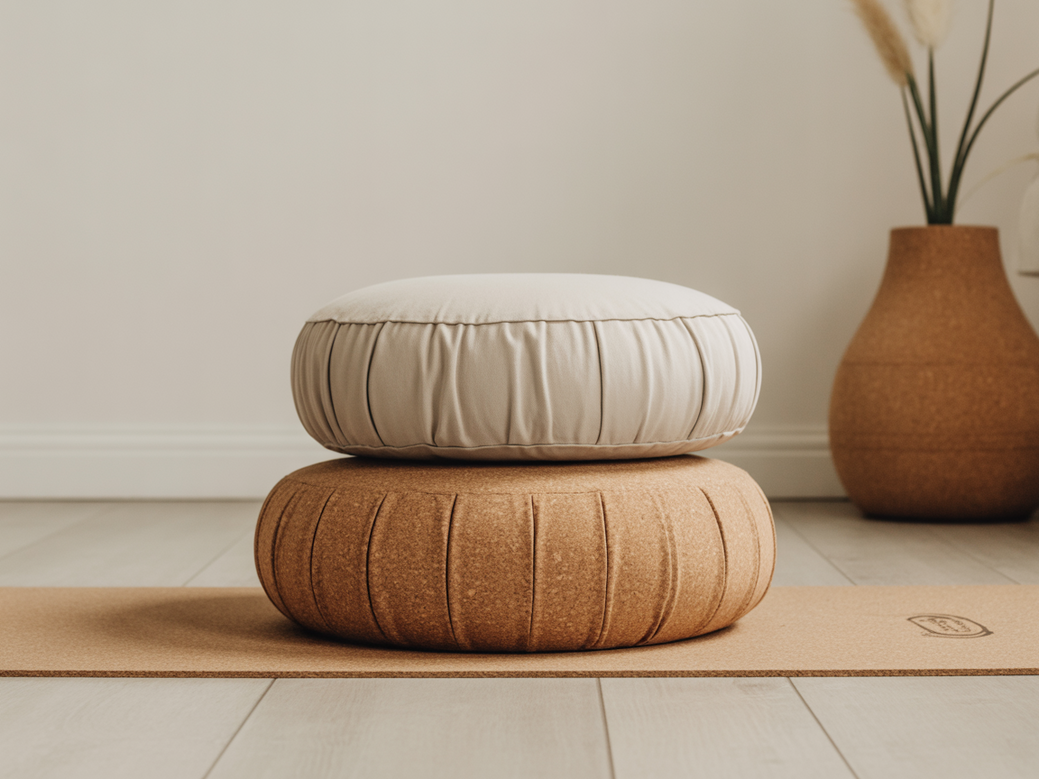
Your meditation cushion should support both your posture and your values. Choose zafus filled with natural materials like buckwheat hulls or kapok fiber, with an outer cover made of organic cotton or hemp. These materials are biodegradable and provide firm, comfortable support.
Yoga Apparel
The rise of “fast fashion” has a significant environmental cost. Choose yoga clothing from brands that use sustainable fabrics like organic cotton, bamboo, Tencel™ (made from eucalyptus trees), or recycled synthetics. These materials are breathable, comfortable, and much kinder to the Earth. A study from a leading university highlights the benefits of such textiles, which you can explore for further reading at Cornell University’s news site.
How to Start Your Sustainable Yoga Journey: A 5-Step Guide
Making the switch to sustainable yoga gear is a gradual process of mindful consumption. It’s not about perfection, but intention. Here’s how you can begin today.
- Assess Your Current Gear: The most sustainable action is to use what you already have. Care for your current mat and props to extend their lifespan. When they are truly worn out, proceed to the next steps.
- Research Mindful Brands: When you’re ready to buy, choose brands that are transparent about their materials, supply chain, and labor practices. Look for certifications like FSC or GOTS (Global Organic Textile Standard).
- Choose the Right Material: Use our guide above to select an eco-friendly material that fits your practice style, budget, and personal preferences.
- Explore Secondhand First: Before buying new, check out the Vitalizen community marketplace. Buying pre-loved gear is a fantastic way to reduce waste, save money, and support a circular economy.
- Dispose of Old Gear Responsibly: Don’t just throw your old PVC mat in the trash. Look for local recycling programs or brands that offer take-back programs to repurpose old mats.
> 🎯 **Ready to start?** Explore our full range of sustainable gear to find your perfect match today!
The Circular Yogi: Join Our Community Marketplace
We are passionate about building a circular economy. The Vitalizen community marketplace is our dedicated space for buying and selling secondhand yoga mats and gear. This initiative reduces waste and makes high-quality, sustainable equipment accessible to more people. It’s a beautiful way to extend the life of a product while connecting with fellow yogis.
> 💡 **Tip:** Have gear you no longer use? List it on our marketplace and give it a second life!
Frequently Asked Questions About Sustainable Yoga Gear
What makes a yoga mat ‘eco-friendly’?
An eco-friendly yoga mat is crafted from natural, recycled, or biodegradable materials like cork, natural rubber, or jute. Unlike conventional PVC mats, they are non-toxic, free from harmful chemicals, and have a minimal environmental footprint. Choosing one supports a healthier planet and a cleaner practice. You can learn more about our philosophy at What is Vitalizen.app?.
How much does sustainable yoga gear cost?
The cost varies. While some premium eco-mats might have a higher upfront cost ($80-$150) due to high-quality, durable materials, there are many affordable options, especially with jute or recycled TPE ($50-$100). Buying secondhand from our community marketplace is also an excellent way to get high-quality sustainable gear at a lower price.
How do I clean an eco-friendly yoga mat?
Cleaning methods depend on the material. For most natural rubber or cork mats, a simple solution of water and a few drops of white vinegar is effective. Gently wipe the mat and let it air dry completely away from direct sunlight. Avoid harsh chemical cleaners, as they can degrade natural materials.
Are natural rubber mats safe for people with latex allergies?
No. If you have a latex allergy, you should avoid natural rubber mats. Instead, opt for a high-quality mat made from cork, jute, or TPE, which are excellent hypoallergenic alternatives.
Is secondhand yoga gear hygienic?
Absolutely. All items in our pre-loved collection are thoroughly inspected and sanitized. We also provide clear guidelines on how to care for and clean your gear to ensure it remains hygienic. It’s a great way to practice sustainability without compromising on cleanliness.
How can I contribute to the Vitalizen community marketplace?
Joining our circular yogi movement is simple! You can start by visiting our Start Now page to create an account and learn about listing your pre-loved items. It’s an easy and effective way to support the community and reduce waste.