Yoga and Meditation: Your Guide to a Balanced Life in 2025
In the relentless pace of modern life, the search for equilibrium has become more critical than ever. Yoga and meditation, ancient practices rooted in harmonizing the body and mind, offer a powerful solution. This comprehensive guide explores how integrating these disciplines into your daily routine can dramatically reduce stress, sharpen your focus, and cultivate a profound sense of well-being. As we navigate 2025, achieving a balanced life is not a mere luxury—it is an essential foundation for lasting mental and physical health.
The Core Synergy: How Yoga and Meditation Work Together
Have you ever felt mentally exhausted yet physically restless? This common disconnect is precisely what the combined practice of yoga and meditation is designed to address. They are not two separate activities but two sides of the same coin, working in synergy to create a holistic state of wellness.
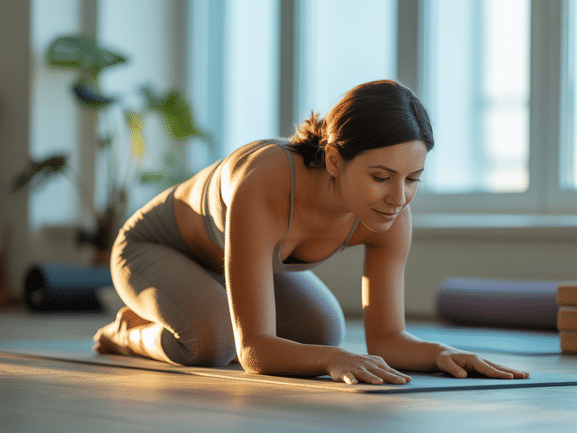
Yoga uses physical postures (asanas), controlled breathing (pranayama), and relaxation to prepare the body for stillness. It is a moving meditation that builds strength, enhances flexibility, and fosters a deep awareness of your physical self. This process releases tension stored in the muscles, which can often be a significant barrier to mental peace.
Following this physical preparation, meditation provides the framework to train the mind. It involves focusing your attention to achieve a state of mental clarity and emotional calm. When your body is relaxed and open from yoga, your mind can more easily settle into a deep, restorative meditative state. This powerful combination creates a comprehensive practice that nurtures both physical vitality and mental tranquility simultaneously.

The Science-Backed Benefits of a Consistent Practice
Integrating yoga and meditation into your daily life offers tangible, measurable advantages. These benefits are not just anecdotal; they are supported by a growing body of scientific research from esteemed institutions. Committing to a regular practice can lead to transformative improvements in your overall quality of life.
Key Mental and Emotional Benefits:
- Profound Stress and Anxiety Reduction: Both practices are proven to lower cortisol, the body’s primary stress hormone. A study from the National Center for Complementary and Integrative Health (NCCIH) highlights yoga’s effectiveness in managing stress.
- Enhanced Mental Clarity and Focus: Meditation trains your prefrontal cortex, the brain’s command center. This translates to improved concentration, memory, and productivity in your daily tasks.
- Greater Emotional Stability: By mindfully observing your thoughts without judgment, you develop emotional regulation, allowing for more balanced responses to life’s challenges.
Key Physical Health Benefits:
- Improved Physical Fitness: Regular yoga enhances flexibility, builds lean muscle, improves posture, and boosts cardiovascular health by improving circulation and lowering blood pressure.
- Boosted Immune System: The deep relaxation triggered by these practices can help improve immune function, making you more resilient to illness.
- Better Sleep Quality: The relaxation response helps regulate the sleep-wake cycle. Many find that a consistent practice helps them fall asleep faster and enjoy deeper, more restorative sleep.
According to a 2025 study from the *Journal of Clinical Psychology*, individuals practicing yoga and meditation for just 15 minutes daily reported a 40% decrease in anxiety symptoms within eight weeks.
Getting Started: Your First Steps into Yoga and Meditation
Embarking on your journey with yoga and meditation doesn’t need to be intimidating. The most crucial step is simply beginning. With a dedicated tool like the Vitalizen App | Yoga + Meditation, you have expert-guided sessions right at your fingertips. Here is a simple, step-by-step guide to start your practice today.
- Designate a Calm Space: Find a quiet corner in your home where you won’t be disturbed for 15-20 minutes. A yoga mat is ideal, but a soft rug or carpet works perfectly well. The goal is comfort and peace.
- Begin with Gentle Yoga: Start with a 10-minute beginner’s yoga session. Focus on the sensation in your body in each pose rather than striving for a “perfect” shape. The Vitalizen app offers foundational routines designed specifically for newcomers.
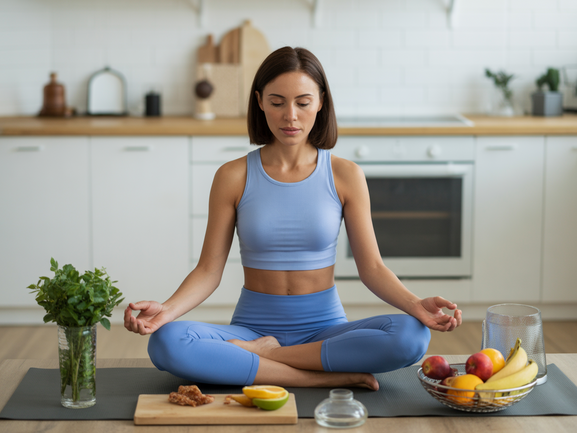
- Transition to Mindful Meditation: After your yoga practice, find a comfortable seated position. This can be cross-legged on the floor or sitting upright in a chair—whatever allows your spine to be straight without strain.
- Follow a Guided Meditation: Use a 5-minute guided meditation from the app. The narration is a powerful tool to help you stay anchored and gently bring your attention back whenever your mind naturally wanders.
- Embrace Consistency Over Duration: The key to unlocking the benefits is consistency. A dedicated 15-minute daily routine is far more effective than one long, infrequent session. Make it a non-negotiable part of your day.
For more ideas on building a routine, explore our guide to building a daily habit.
Exploring Different Styles of Yoga and Meditation
As you become more comfortable, you may want to explore different styles to find what resonates most with you. Each offers a unique approach to achieving a balanced life.
Popular Types of Yoga:
- Hatha Yoga: A slower-paced, foundational practice perfect for beginners. It focuses on basic postures and breathing.
- Vinyasa Yoga: A more dynamic practice that links movement with breath in a flowing sequence. It’s great for building heat and improving cardiovascular health.
- Yin Yoga: A slow, passive practice where poses are held for several minutes to target deep connective tissues.
Common Meditation Techniques:
- Mindfulness Meditation: Involves paying attention to your thoughts as they pass without judgment. It’s the most common and widely researched form.
- Guided Visualization: Uses imagery to create a sense of calm and relaxation.
- Transcendental Meditation (TM): A mantra-based practice performed for 20 minutes twice a day.
What is the Cost of a Consistent Practice?
The investment in your well-being through yoga and meditation is flexible and can be tailored to your budget and preferences. You can start for free or opt for more structured, expert guidance.
| Practice Method | Average Monthly Cost (USD) | Key Benefits |
|---|---|---|
| At-Home (Self-Guided with Free Resources) | $0 | Complete flexibility, no financial commitment. |
| Wellness Apps (like Vitalizen) | $10 – $20 | Structured guided sessions, progress tracking, variety, and affordability. |
| Local Yoga Studio Membership | $80 – $150+ | In-person expert instruction, a dedicated community, and a premium space. |
Last updated: December 2025
To learn more about different styles, check out our detailed article on choosing the right yoga style for you.
Why Yoga and Meditation Are Essential in 2025
Our world is defined by hyper-connectivity and information overload, often leading to digital fatigue and a sedentary lifestyle. A 2025 report by the Global Wellness Institute indicates that rates of occupational burnout have surged by 35% since 2020. Yoga and meditation offer a direct and effective antidote.
These practices encourage you to consciously disconnect from external stimuli and reconnect with your inner self. They are no longer niche activities for wellness enthusiasts; they are essential tools for anyone seeking to thrive in the modern digital age. For further reading, authoritative sources like Yoga Journal provide deep insights into the practice.
Frequently Asked Questions (FAQ)
How much time do I really need to practice daily?
Even 10-15 minutes of daily, focused practice can make a significant difference. A 2025 study showed that consistency is more important than duration for building the neural pathways associated with focus and calm. The Vitalizen App offers sessions from 5 to 60 minutes to fit any schedule.
Do I need special equipment to start yoga and meditation?
No, special equipment is not essential. A yoga mat is recommended for comfort and grip, but you can easily start with just a comfortable space and loose-fitting clothes. The most important asset is your willingness to begin.
Can yoga and meditation help with weight loss?
Yes. An active yoga practice (like Vinyasa) builds muscle and burns calories, contributing to weight management. Furthermore, meditation supports this by fostering mindful eating habits, which helps you better recognize your body’s natural hunger and satiety cues.
Is yoga a religious practice?
While yoga has historical roots in ancient Indian philosophy, it is overwhelmingly practiced today as a secular form of physical and mental conditioning. You can engage with it purely for its profound health and wellness benefits without any religious context. Modern apps, including Vitalizen, focus entirely on these wellness aspects.
What is the main difference between yoga and stretching?
Stretching primarily focuses on increasing muscular flexibility. Yoga is a more holistic discipline that integrates physical postures with conscious breathing (pranayama) and mindfulness. It is designed to benefit not just your muscles, but also your nervous system, mental state, and overall life balance.
🎯 Join the Conversation!
What are your biggest challenges or successes in maintaining a consistent yoga and meditation practice? Share your experiences in the comments below to help and inspire others!