


Yoga and Meditation: A Guide to Transforming Your Health in 2025
In the relentless pace of 2025, are you searching for a sustainable way to manage stress and enhance your well-being? The answer lies in the ancient, science-backed practices of yoga and meditation. This comprehensive guide explores how integrating these disciplines can unlock profound physical and mental health benefits. With powerful tools like the Vitalizen App, your transformative journey can begin today.
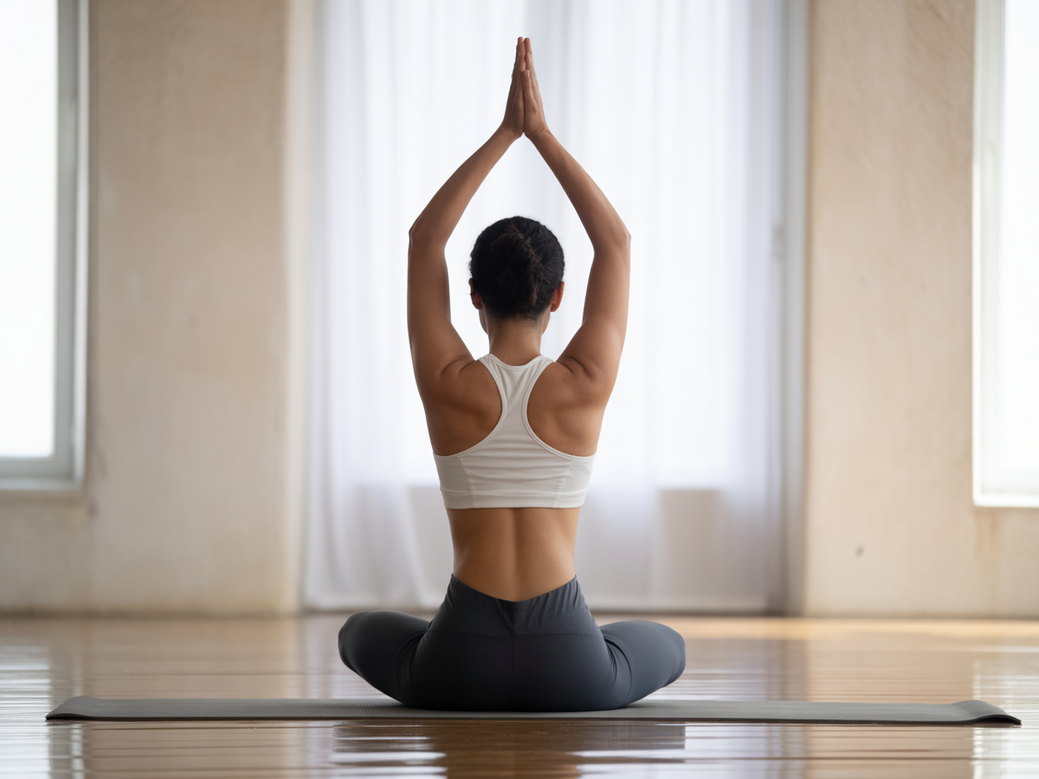
What Exactly Are Yoga and Meditation?
While often mentioned together, yoga and meditation are distinct disciplines that work in synergy to promote holistic health. Understanding their unique roles is the first step toward harnessing their full potential.
Yoga: More Than Just a Workout
Yoga is a holistic discipline from ancient India, combining physical postures (asanas), breathing techniques (pranayama), and meditation to unite body, mind, and spirit. It is not merely exercise but a complete system for promoting self-awareness and balance. The practice aims to create harmony between your physical and mental faculties, making it a cornerstone of a healthy lifestyle.
By engaging in a consistent yoga practice, you are not just stretching your muscles; you are cultivating a deeper connection with your inner self. This encourages mindfulness and presence, helping you navigate life’s challenges with greater ease and composure.
Meditation: Training the Mind for Peace
Meditation is a practice centered on training attention and awareness to achieve a state of mental clarity and emotional calm. By focusing on a specific object, thought, or sensation—as your breath—you learn to observe your thoughts without judgment. This is the foundation of mindfulness, a key skill for modern life.
This practice isn’t about stopping your thoughts; it’s about changing your relationship with them. This fundamental shift is crucial for reducing anxiety and fostering a deep sense of inner peace. The combination of yoga and meditation provides a powerful toolkit for comprehensive well-being.
The Science Behind Yoga and Meditation: How They Rewire Your Brain
The benefits of yoga and meditation are not just anecdotal; they are backed by extensive scientific research. These practices trigger physiological changes that reduce stress, improve mood, and even alter brain structure for the better.
Activating the Relaxation Response
Chronic stress keeps our body in a state of “fight or flight,” characterized by high levels of the stress hormone cortisol. Both yoga and meditation are proven to activate the parasympathetic nervous system, initiating the “relaxation response.”
According to a study from a Harvard-affiliated hospital, the relaxation response can help decrease metabolism, lower blood pressure, and slow heart rate, directly countering the physiological impact of stress.
This shift helps lower cortisol levels, leading to a state of deep relaxation and recovery that is essential for long-term health.
Neuroplasticity: Building a Healthier, More Resilient Brain
Meditation, in particular, has been shown to induce neuroplasticity—the brain’s ability to reorganize itself by forming new neural connections. A 2025 report from the American Psychological Association highlights that mindfulness meditation can restructure the brain’s response to stress.
- Increased Gray Matter: Research shows that regular meditation increases gray matter density in the hippocampus, which is crucial for learning and memory.
- Reduced Amygdala Activity: It can also shrink the amygdala, the brain’s fear center, making you less reactive to stress and anxiety.
- Enhanced Prefrontal Cortex Function: These practices strengthen the prefrontal cortex, the area associated with emotional regulation, concentration, and self-control.
Key Benefits of a Consistent Yoga and Meditation Practice
The synergy of yoga and meditation offers extensive benefits that impact every aspect of your life. From building physical resilience to fostering mental clarity, these practices provide a complete toolkit for well-being in 2025.
Top Physical Advantages:
- Improved Flexibility and Strength: Regular practice strengthens muscles and increases your range of motion, crucial for preventing injuries and maintaining mobility.
- Better Posture and Reduced Back Pain: Yoga strengthens core muscles and improves alignment, directly combating the negative effects of a sedentary lifestyle.
- Enhanced Cardiovascular Health: Dynamic yoga styles like Vinyasa can improve heart health, while meditation helps lower blood pressure.
- Boosted Immune System: By reducing stress and inflammation, these practices can contribute to a stronger immune response.
Top Mental Advantages:
- Profound Stress Reduction: As mentioned, lowering cortisol is a primary benefit, leading to a pervasive sense of calm.
- Enhanced Mental Clarity and Focus: The focus required for poses and breathwork calms mental clutter, improving concentration and productivity.
- Greater Emotional Regulation: Mindfulness helps you observe emotions without being controlled by them, fostering a stable and positive outlook.
- Improved Sleep Quality: Calming the nervous system before bed can lead to deeper, more restorative sleep.
🎯 Ready to experience these benefits? The Vitalizen App offers guided sessions to help you get started on your wellness journey today!
Why These Practices Are Crucial in 2025
The demands of modern life have led to unprecedented levels of stress and burnout. Data from the World Health Organization in late 2024 indicated a 25% global increase in anxiety and depression. Yoga and meditation offer an accessible and effective antidote.
These practices empower you to build resilience from within. Instead of seeking external solutions, you develop the internal skills to manage stress, improve focus, and cultivate a positive outlook—skills that are *essential* for thriving in today’s fast-paced world.
Tailoring Your Practice: Yoga and Meditation for Your Lifestyle
One of the greatest strengths of yoga and meditation is their adaptability. You can tailor your practice to meet your specific needs and goals, whether you’re a busy professional, a student, or an athlete.
For the Busy Professional: Finding Calm in Chaos
Short on time? Even 10-15 minutes of focused practice can make a difference. Try a simple desk yoga routine to release neck and shoulder tension, or use a guided meditation app like Vitalizen during your lunch break to reset your mind and boost afternoon productivity.
For Students: Enhancing Focus and Reducing Exam Stress
The pressure to perform can be overwhelming. Meditation techniques that enhance focus, like single-point concentration on the breath, can improve study habits. A gentle yoga session can help release physical tension after long hours of sitting, promoting better sleep and memory consolidation.
For Athletes: Improving Performance and Recovery
Yoga is an excellent tool for cross-training, as it builds functional strength, balance, and flexibility, reducing the risk of injury. Meditation and visualization techniques can improve mental toughness and focus during competition, while restorative yoga aids in muscle recovery.
| Style | Focus | Best For |
|---|---|---|
| Hatha Yoga | Basic postures and breathing | Beginners, stress relief |
| Vinyasa Yoga | Flowing, dynamic movements | Cardio, building strength |
| Mindfulness Meditation | Breath and body awareness | Anxiety reduction, focus |
| Guided Meditation | Following voice prompts | Beginners, specific goals |
How to Start Your Yoga and Meditation Practice Today
Starting your journey is simpler than you might imagine. You don’t need expensive equipment or a lot of time. The most important ingredient is your commitment to showing up for yourself. A consistent yoga and meditation routine is built one day at a time.
A Simple 5-Step Guide to Begin:
- Define Your “Why”: What do you hope to achieve? Whether it’s reducing stress, improving flexibility, or sleeping better, having a clear goal will keep you motivated.
- Start Small: Dedicate just 5-10 minutes each day. Consistency is more important than duration. Use a guided session from an app like Vitalizen to begin.
- Create a Dedicated Space: Find a quiet corner in your home where you won’t be disturbed. This space will become your sanctuary for practice.
- Listen to Your Body: Never force a pose or position. The goal is to challenge yourself gently, not to cause pain. Progress will come with time and patience.
- Be Patient and Kind to Yourself: Your mind will wander, and some days will be harder than others. This is a normal part of the process. Simply acknowledge it and gently return your focus.
A study from the National Center for Biotechnology Information (NCBI) confirms that even short, consistent mindfulness practices can significantly decrease anxiety symptoms.
Overcoming Common Challenges in Your Practice
It’s normal to encounter obstacles when starting something new. Here’s how to navigate the most common challenges associated with yoga and meditation.
- “I don’t have time.”: Reframe your thinking. You don’t *find* time, you *make* time. Start with just 5 minutes. The increased focus and efficiency you gain will often give you that time back.
- “I can’t quiet my mind.”: This is the most common misconception. The goal of meditation isn’t an empty mind, but a focused one. The practice is in noticing your mind has wandered and gently bringing it back. Every time you do this, you are strengthening your focus muscle.
- “I’m not flexible enough for yoga.”: This is like saying you’re too dirty to take a shower. Flexibility is a *result* of yoga, not a prerequisite. Start with beginner classes and modifications.
> 💡 Tip: Download our free guide on the Vitalizen blog to deepen your knowledge and find more tips!
Your Journey Starts Now with the Vitalizen App
Now that you understand the incredible, science-backed benefits of yoga and meditation, the next step is to begin. The Vitalizen App | Yoga + Meditation was created to be your ideal partner on this journey. With guided sessions for all levels, from beginner to advanced, our app offers a complete, accessible experience for your well-being.
Don’t wait any longer to transform your life. Start your wellness journey now and discover a new way of living with more health, peace, and balance. Your future self will thank you.
Last updated: December 5, 2025
Frequently Asked Questions (FAQ) about Yoga and Meditation
What is the main benefit of practicing yoga?
The main benefit of yoga is its holistic approach. It simultaneously improves physical health—like flexibility, strength, and posture—while enhancing mental well-being by reducing stress and improving focus. It’s a complete practice for harmonizing body and mind.
How long does it take to feel the benefits of meditation?
While it varies, many people report feeling a sense of calm and clarity after just a few sessions. However, consistency is key. With regular daily practice of 10-20 minutes, significant long-term benefits like reduced anxiety and improved self-awareness often become evident within 2 to 4 weeks.
Is the Vitalizen App suitable for beginners?
Yes, absolutely! The Vitalizen App is designed for all levels. We offer specific guided programs for beginners, ensuring a safe, welcoming, and effective start to your yoga and meditation journey. Contact us if you have any more questions!
How much does it cost to start yoga and meditation?
The cost can be virtually zero. You can start at home with no equipment by following free guided sessions online or through apps like Vitalizen, which offer introductory content. The primary investment is your time and commitment. As you advance, you might choose to buy a mat or attend classes, but it’s not necessary to begin.
When is the best time of day to practice yoga and meditation?
The best time is whenever you can practice consistently. Many people prefer the morning to start their day with clarity and energy. Others find that practicing yoga and meditation in the evening helps them de-stress and prepare for a restful sleep. Experiment to see what works best for your schedule and body.