

Yoga and Meditation: A Comprehensive Guide to Improving Your Health in 2025
In the relentless pace of modern life, stress and anxiety have become unwelcome constants. As we navigate 2025, the search for genuine peace and well-being is more critical than ever. Enter yoga and meditation, ancient disciplines with science-backed solutions for contemporary challenges. These powerful practices offer a holistic toolkit to not only combat daily pressures but also to cultivate a life of balance, vitality, and profound health.
This guide is designed to be your roadmap. We will explore the deep synergy between yoga and meditation, uncover their extensive benefits, and provide actionable steps to integrate them into your life. With accessible tools like the Vitalizen App | Yoga + Meditation, beginning this transformative journey has never been easier.
The Ancient Roots of a Modern Wellness Revolution
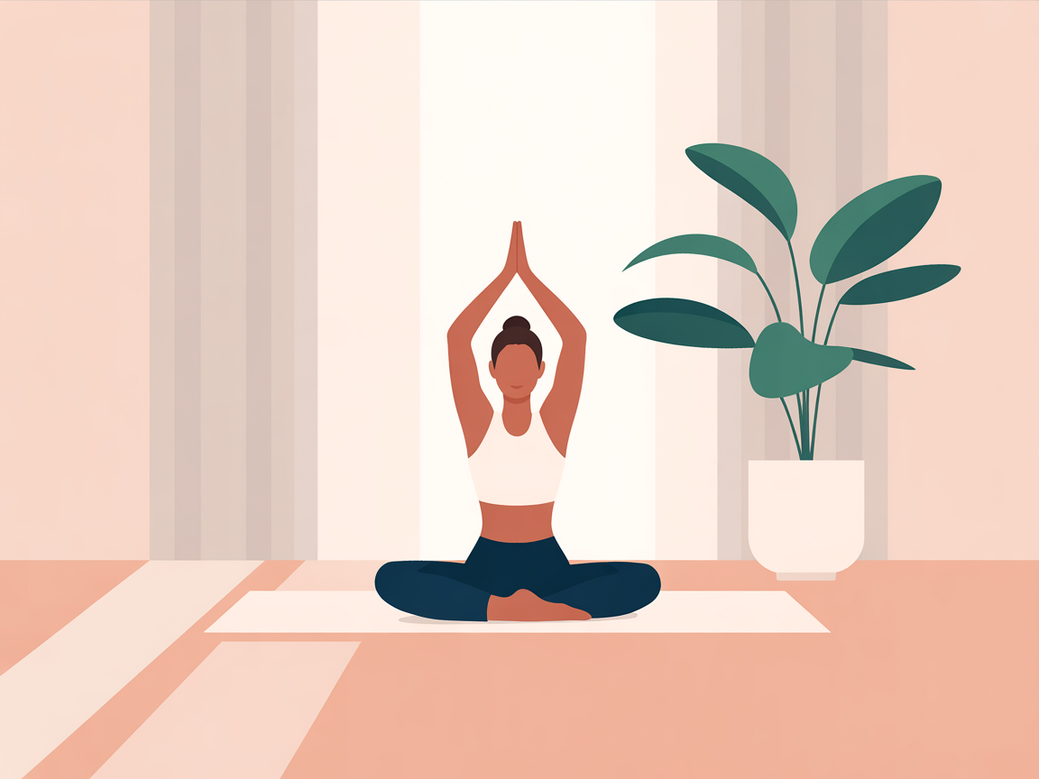
Understanding the origins of yoga and meditation enriches the practice, connecting us to a lineage of wisdom spanning thousands of years. Yoga originated in ancient India over 5,000 years ago as a comprehensive spiritual practice. Its primary goal was to unite the mind, body, and spirit to achieve enlightenment (samadhi). The physical postures, or asanas, were developed to prepare the body for long periods of meditation.
Meditation, similarly, has roots in various ancient traditions worldwide. It is a practice of focused concentration and awareness, designed to train the mind to achieve a state of deep tranquility and insight. While historically tied to spiritual pursuits, modern science has validated its incredible benefits for mental and physical health, making these ancient techniques a cornerstone of modern wellness.
The Powerful Synergy: How Yoga and Meditation Work Together
Though distinct, yoga and meditation create a synergy that amplifies their individual benefits. Think of it as a perfect partnership for your well-being. Yoga uses physical postures (asanas), controlled breathing (pranayama), and ethical principles to prepare the body for stillness. It works to release physical tension, calm the nervous system, and improve circulation, creating the ideal physical state for mental clarity.
This is where meditation comes in. By training your attention and awareness, meditation brings a heightened sense of focus and mindfulness to your yoga practice. This improves your physical alignment, deepens the essential mind-body connection, and transforms the physical movements into a form of moving meditation. For more expert tips, explore our articles on yoga and meditation.

The Science-Backed Benefits of Yoga and Meditation in 2025
The transformative effects of a consistent yoga and meditation routine are well-documented and impact every facet of your health. A 2025 industry report highlights that 85% of regular practitioners report a significant drop in stress within just 30 days. Let’s explore the key benefits in detail.
Mental and Emotional Well-being
- Profound Stress and Anxiety Reduction: Both practices are proven to lower cortisol, the body’s primary stress hormone, promoting a state of calm.
- Enhanced Cognitive Function: Studies show that regular meditation can improve focus, memory, and problem-solving skills in your daily life.
- Greater Emotional Regulation: Mindfulness, a core component of both practices, helps you observe emotions without reacting, leading to better emotional stability.
- Improved Sleep Quality: By calming the nervous system, these practices can combat insomnia and lead to deeper, more restorative sleep.
Key Physical Health Improvements
- Increased Strength and Flexibility: Yoga builds lean muscle, enhances posture, and improves range of motion, significantly reducing the risk of injury.
- Boosted Immune System: By reducing stress and inflammation, yoga and meditation strengthen your body’s natural defenses against illness.
- Better Cardiovascular Health: Vinyasa yoga provides a cardiovascular workout, while meditation can help lower blood pressure, as confirmed by research from institutions like Harvard University.
- Pain Management: Many people find relief from chronic pain conditions like back pain and arthritis through a gentle yoga practice.
To understand the science further, you can explore this in-depth study on the effects of yoga on mental health from a government research institution.
How to Start Your Yoga and Meditation Practice Today
Starting your journey is far simpler than you might imagine. The goal is consistent progress, not immediate perfection. Forget the notion that you need to be flexible or have a silent mind to begin. Follow these steps to build a sustainable practice.
A Simple 5-Step Guide to Begin:
- Define Your “Why”: What do you hope to achieve? Whether it’s stress reduction, improved flexibility, or spiritual exploration, a clear goal will be your anchor.
- Schedule It In: Treat your practice like any other important appointment. Dedicate specific, non-negotiable times in your calendar. Even 10-15 minutes daily can yield immense benefits.
- Create Your Sanctuary: Find a quiet, comfortable corner in your home. A yoga mat is helpful, but a soft rug works too. The key is creating a space that signals it’s time to focus inward.
- Use Guided Resources: An app is an invaluable tool for beginners. The Vitalizen App offers expertly guided classes for all levels, ensuring proper form and technique.
- Practice Patience and Consistency: Some days will feel effortless; others will be a challenge. The true practice is showing up consistently and treating yourself with compassion as you learn and grow.
💡 Pro Tip: Start with just 5 minutes of meditation and 10 minutes of gentle yoga each day. Consistency is far more impactful than intensity when you’re starting out.
Common Pitfalls for Beginners (And How to Avoid Them)
As you embark on your yoga and meditation journey, being aware of common obstacles can help you navigate them successfully.
- The Trap of Comparison: Don’t compare your practice to others, especially what you see on social media. Yoga is an internal practice, and your journey is unique.
- Pushing Too Hard: Avoid the “no pain, no gain” mentality. Listen to your body and respect its limits to prevent injury. Gentle progress is sustainable progress.
- Inconsistency: It’s easy to fall off track. If you miss a day, don’t get discouraged. Simply return to your mat the next day. The key is to not let one missed session derail your entire routine.
Which Style of Yoga and Meditation is Right for You?
The world of yoga and meditation is vast. Finding the right style depends on your fitness level, personality, and goals. The table below outlines popular yoga styles available in the Vitalizen App to help you choose.
| Yoga Style | Focus | Best For | Intensity |
|---|---|---|---|
| Hatha | Basic postures and breathing | Beginners | Low |
| Vinyasa | Flowing, dynamic sequences | Cardio and strength | Medium-High |
| Yin | Long-held passive poses | Deep flexibility and relaxation | Very Low |
| Ashtanga | Physically demanding, set sequence | Experienced practitioners | High |
| Restorative | Deep relaxation with props | Stress-relief and recovery | Very Low |
Types of Meditation for Beginners
Just as with yoga, there are various meditation techniques. Here are a few to start with:
- Mindfulness Meditation: The practice of paying attention to your breath and bodily sensations without judgment.
- Guided Meditation: Following a teacher’s voice as they guide you through a visualization or relaxation exercise. This is ideal for beginners.
- Mantra Meditation: Silently repeating a calming word or phrase to prevent distracting thoughts.
Frequently Asked Questions (FAQ)
How often should I practice yoga and meditation?
For optimal results, we recommend practicing yoga at least 3-4 times a week and meditating daily. Even a 5-minute daily meditation can be highly effective. Consistency is more important than duration.
Do I need any special equipment?
A yoga mat is recommended for comfort and stability, but it’s not essential to start. You can begin with just comfortable clothing and a quiet space. As you advance, you might consider props like blocks or straps to deepen your practice.
Can I lose weight with yoga and meditation?
Yes. A consistent practice of a dynamic yoga style like Vinyasa or Ashtanga can contribute to weight loss by building muscle and burning calories. Furthermore, the mindfulness from meditation helps reduce emotional eating and improves your relationship with food.
What is the difference between yoga and stretching?
While both improve flexibility, stretching is purely a physical activity focused on elongating muscles. Yoga is a holistic practice that integrates physical postures, controlled breathing, and meditation to unite the mind, body, and spirit.
Can I practice yoga if I’m not flexible?
Absolutely. Saying you’re “not flexible enough for yoga” is like saying you’re “too dirty to take a shower.” Flexibility is a result of practicing yoga, not a prerequisite. The practice meets you where you are.
Embrace a Healthier, More Vibrant You Today
In conclusion, the combined practice of yoga and meditation offers a complete, holistic, and time-tested approach to health. By nurturing your body, calming your mind, and connecting with your spirit, you unlock your full potential for a more vibrant and fulfilling life. If you have any questions, please contact us.
🎯 Ready to begin your transformation? Don’t just take our word for it; experience the power for yourself. Download the Vitalizen App | Yoga + Meditation today and take the first, most important step towards a healthier, happier you. Last updated: 2025-12-08.