


Yoga for Stress Relief: A Practical Guide to Calm Your Mind in 2025
In our hyper-connected world, finding a moment of peace can feel impossible. Yoga for stress relief offers a powerful, scientifically-backed solution. It’s a mind-body practice that merges physical postures, controlled breathing, and deep meditation to effectively lower stress and foster profound relaxation. This guide will walk you through how to use yoga to build resilience and find calm amidst the chaos of modern life.
With accessible tools like the Vitalizen App | Yoga + Meditation, you can embark on a structured journey toward inner peace, making the benefits of yoga for stress relief a consistent part of your routine.
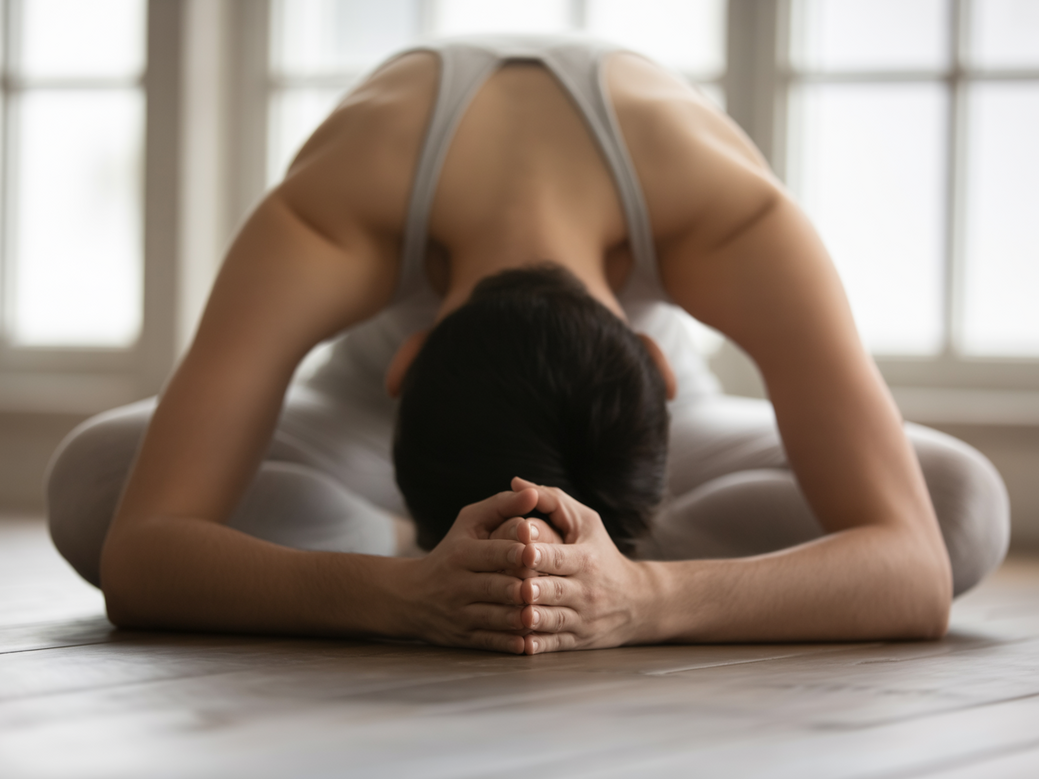
What Exactly Is Yoga for Stress Relief?
At its core, yoga for stress relief is the intentional application of yogic principles to regulate the nervous system and quiet the mind. It transcends mere physical flexibility, evolving into a holistic discipline that strengthens the vital connection between your mind and body. The practice involves flowing through a series of poses (asanas) while maintaining deep, conscious breathing (pranayama), a combination that releases both physical tension and mental clutter.
This approach is specifically designed to activate your body’s natural relaxation response—the parasympathetic nervous system. By anchoring your focus on the present moment—the sensation of a deep stretch, the steady rhythm of your breath—you can effectively interrupt the relentless cycle of stress and anxiety. It is an intentional practice of self-care that builds lasting mental fortitude.
The Science Behind It: How Yoga Rewires Your Brain for Calm
The magic of yoga for stress relief lies in its profound ability to influence your autonomic nervous system. When you’re stressed, your sympathetic nervous system (the “fight-or-flight” response) floods your body with cortisol and adrenaline. Yoga acts as a powerful counterbalance, guiding you into the parasympathetic nervous system (the “rest-and-digest” state).
This physiological shift is achieved through several key mechanisms:
- GABA Level Regulation: Studies, like one published by Boston University School of Medicine, show that yoga can increase levels of gamma-aminobutyric acid (GABA), a neurotransmitter that helps calm nerve activity. Low GABA levels are linked to anxiety and mood disorders.
- Pranayama (Breathwork): Deep, diaphragmatic breathing directly stimulates the vagus nerve, a primary component of the parasympathetic nervous system. This action slows your heart rate, lowers blood pressure, and sends clear signals to your brain that it’s safe to relax.
- Asanas (Postures): Physical postures work to release tension stored deep within muscle tissues, especially in common stress-holding areas like the neck, shoulders, and back. The concentration required to hold a pose also serves as a powerful form of active mindfulness.
- Meditation & Mindfulness: The meditative component of yoga trains you to observe your thoughts without judgment. This practice, known as non-reactive awareness, reduces the power of stressful thoughts to trigger a full-blown physiological stress response.
🎯 Ready to start your journey? Download the Vitalizen App and access guided yoga for stress relief sessions today!
Why Is Yoga Crucial for Your Mental Well-being in 2025?
Does your mind ever feel like it’s stuck in overdrive with no “off” switch? In our fast-paced society, chronic stress has escalated into a major public health concern, negatively impacting everything from sleep quality to immune function. Yoga provides an essential counterbalance by directly addressing the physiological roots of stress.
According to a 2025 report from the Global Wellness Institute, 78% of individuals who practice yoga at least twice a week report a significant decrease in their perceived stress levels within just three months.
Integrating a consistent yoga for stress relief practice into your routine is a direct investment in your long-term mental health. It equips you with practical, embodied tools to navigate daily challenges, fostering a sense of inner calm and control that extends far beyond the yoga mat.
Getting Started: Your First Steps into Yoga for Stress Relief
You don’t need any prior experience or special equipment to begin. Your journey can start right now with a few simple, actionable steps. The key to success is to start small and prioritize consistency over intensity.
- Set a Realistic Goal: Commit to just 10-15 minutes of practice, three times a week. The Vitalizen App offers guided sessions perfectly tailored for beginners.
- Create a Calm Space: Designate a quiet corner in your home where you won’t be disturbed. A comfortable surface and a clutter-free environment are all you need.
- Listen to Your Body: Yoga is a personal practice, not a competition. Move gently, honor your body’s limits, and never force a pose. The goal is to feel a gentle release, not pain.
- Focus on Your Breath: Pay close attention to the full sensation of your inhales and exhales. Your breath is the ultimate anchor to the present moment.
- Explore Different Styles: Not all yoga is the same. For stress relief, look for styles like Hatha, Restorative, or Yin Yoga. Our guide to yoga styles can help you choose.
Best Beginner Poses for Immediate Calm
Certain yoga poses are particularly effective for soothing the nervous system. Here are a few foundational asanas to get you started, along with their primary benefits for stress relief.
| Pose Name | Primary Benefit | Best For |
|---|---|---|
| Child’s Pose (Balasana) | Gently stretches the back, hips, and thighs while calming the brain. | Relieving fatigue and mental overload. |
| Cat-Cow Stretch (Marjaryasana-Bitilasana) | Increases spinal flexibility and relieves tension in the neck and shoulders. | Warming up the body and releasing stress held in the spine. |
| Legs-Up-The-Wall (Viparita Karani) | Promotes lymphatic drainage, improves circulation, and deeply calms the nervous system. | Reducing anxiety and soothing tired legs and feet. |
| Standing Forward Bend (Uttanasana) | Stretches hamstrings and back; mild inversion calms the brain. | Releasing tension in the head and neck. |
How Much Does a Yoga Practice for Stress Cost?
The financial investment for practicing yoga can vary widely, making it accessible to nearly everyone. You can start for free with countless online resources. However, for a more structured, motivating, and personalized experience, an app like Vitalizen offers a highly cost-effective solution, typically ranging from $10-$20 per month for full access. This is significantly less than in-person studio classes, which can cost $20-$30 *per class*.
Ultimately, the most valuable investment you will make in your yoga for stress relief journey is your time and consistency.
💡 Tip: Explore our articles on yoga and meditation for more in-depth guidance and tips!
Frequently Asked Questions About Yoga for Stress Relief
How often should I practice yoga for stress relief?
For noticeable benefits, aim for at least 3-4 times per week. A consistent practice, even if it’s just a short 10-15 minute daily session, is far more effective for managing long-term stress than one long session per week. Consistency is what retrains your nervous system to default to a calmer state.
Do I need to be flexible to do yoga?
Not at all! This is one of the most common myths. Saying “I’m not flexible enough for yoga” is like saying “I’m too dirty to take a shower.” Yoga is designed to meet your body exactly where it is today. Flexibility is a result of a consistent practice, not a prerequisite to start.
Can yoga replace therapy for anxiety?
While yoga is a scientifically-backed, powerful tool for managing stress and anxiety, it should be viewed as a complementary practice, not a replacement for professional medical advice or therapy. It works best as part of a holistic approach to mental health. For more information, you can read this scientific review on yoga and stress from a trusted .gov source or this article from Harvard.edu. If you have questions, feel free to contact us.
What is the best time of day to practice yoga for stress?
The best time is whenever you can consistently fit it into your schedule. Many people prefer the morning to start their day with a sense of calm and intention. Others find an evening practice helps them unwind from the day’s pressures and prepare for a restful sleep. Experiment to see what works best for your unique body and lifestyle.
What is the difference between yoga for stress and a regular yoga class?
A class focused on yoga for stress relief typically emphasizes slower movements, restorative poses held for longer periods, and a strong focus on breathwork and mindfulness. While a general “vinyasa” or “power” yoga class can also reduce stress, its primary goal might be more on physical fitness and endurance. Stress-relief classes are specifically sequenced to activate the parasympathetic nervous system and promote deep, lasting relaxation.
Embrace the profound calm and resilience that a dedicated yoga practice offers. Your journey to a less stressful, more mindful life is just a single click away. Download the Vitalizen App and discover the transformative power of yoga and meditation today.