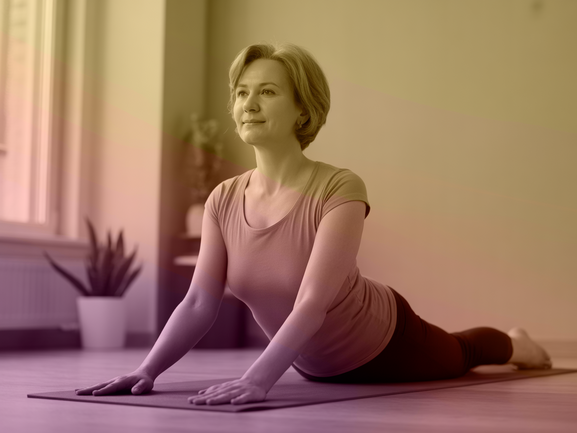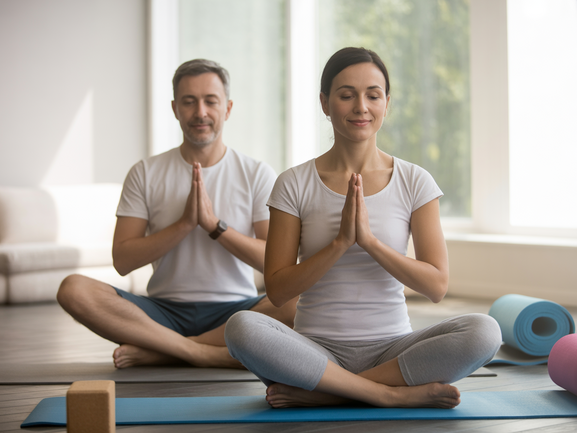


Yoga for Stress: Transform Your Mind and Body for Lasting Calm
In the relentless pace of modern life, finding a moment of genuine peace can feel like an impossible task. Stress has become a constant companion for many, but what if you could reclaim your calm with a practice tested by time? Yoga for stress offers a powerful, holistic solution, strengthening not just your body but also fortifying your mind against daily pressures. This article explores how you can use a dedicated yoga for stress practice to build a more serene, resilient, and balanced life. We’ll also show you how the Vitalizen App can be your trusted companion on this transformative journey.
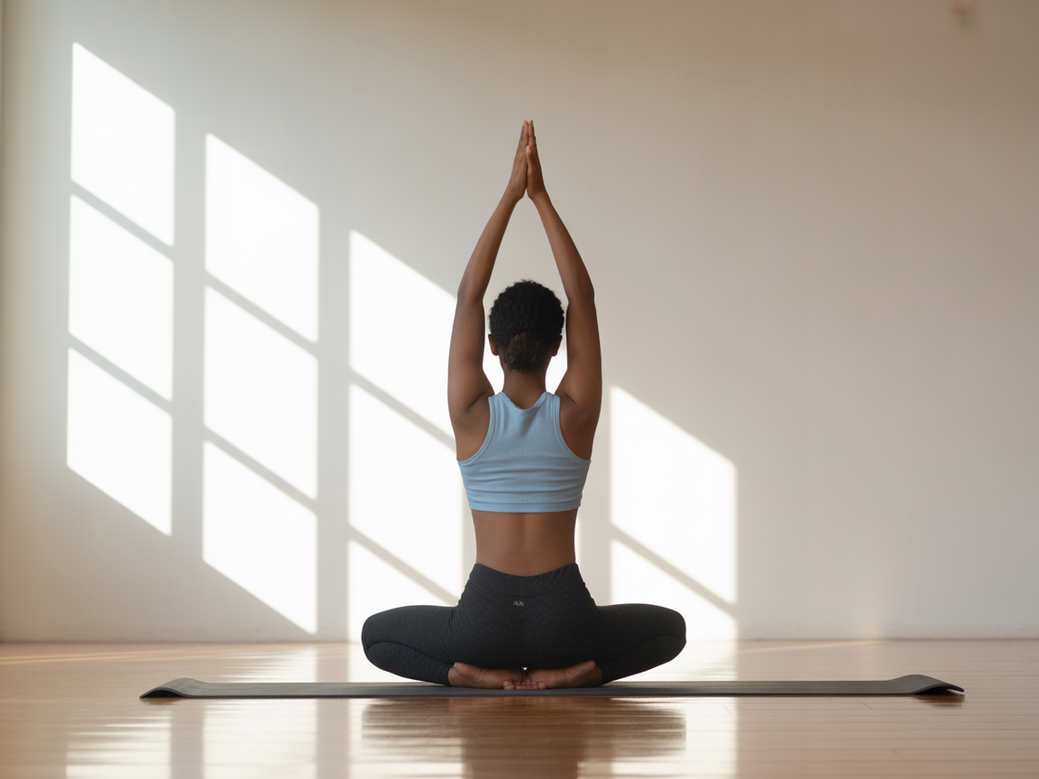
Understanding Yoga for Stress Relief: More Than Just Poses
Yoga for stress relief is not a unique style of yoga but rather an intentional approach to the practice. It strategically uses specific techniques to soothe the nervous system and dissolve mental clutter. This method masterfully integrates physical postures (asanas), controlled breathing (pranayama), and deep meditation to cultivate a profound state of tranquility. The primary goal of using yoga for stress is to shift your body out of a high-alert “fight or flight” state and into a restorative “rest and digest” mode.
Yoga styles like Hatha, Yin, and Restorative yoga are particularly potent for this purpose. They champion slow, mindful movements and encourage holding poses for extended periods. This approach is key to releasing deep-seated tension from both muscles and mind, making your yoga for stress practice incredibly effective.
The Science of Serenity: How Yoga for Stress Rewires Your Brain
The profound connection between yoga and stress reduction is firmly supported by scientific evidence. When you engage in a yoga for stress session, you initiate a cascade of physiological changes that directly counteract the body’s stress response. It’s a workout for your mind as much as your body.
According to research from leading institutions like Johns Hopkins Medicine, practicing yoga helps significantly lower cortisol, the body’s primary stress hormone. Furthermore, as the National Center for Complementary and Integrative Health (NCCIH) reports, yoga increases levels of the neurotransmitter GABA, which is associated with improved mood and reduced anxiety. By focusing intently on your breath and physical sensations, you activate your parasympathetic nervous system, which is the body’s relaxation command center. This mindful focus is a core component of yoga for stress, as it powerfully breaks the exhausting cycle of anxious thoughts.
🎯 Ready to start your transformation? The Vitalizen App offers guided sessions specifically designed for stress relief. Begin your journey today!
Choosing Your Path: Which Style of Yoga for Stress Is Right for You?
With various yoga styles available, selecting the one that best fits your needs is crucial for a successful yoga for stress practice. Each style offers a unique pathway to tranquility.
- Hatha Yoga: Often recommended for beginners, Hatha is a slower-paced practice that focuses on foundational poses and breath control. It’s an excellent entry point for learning how to use yoga for stress management.
- Yin Yoga: This meditative style involves holding passive floor poses for several minutes. It targets the body’s deep connective tissues and is exceptional for releasing stored physical and emotional tension.
- Restorative Yoga: The ultimate relaxation practice. Restorative yoga uses props like bolsters and blankets to fully support your body in comfortable poses, allowing for deep rest and nervous system regulation. It is a cornerstone of any serious yoga for stress routine.
- Vinyasa Yoga: For those who find calm in movement, Vinyasa links breath to a flowing sequence of poses. While more dynamic, a mindful Vinyasa class can be a powerful tool for clearing the mind.

The Comprehensive Benefits of a Regular Yoga Practice for Stress
Incorporating yoga for stress into your weekly routine unlocks a wide array of benefits that ripple through every aspect of your life. It’s a complete toolkit for enhancing your overall well-being.
- Sharper Mental Clarity: The meditative focus of a stress-reducing yoga practice helps clear mental fog, leading to improved concentration and more effective decision-making.
- Deeper Sleep Quality: By calming the nervous system before bed, yoga can help you fall asleep faster and enjoy more restorative, uninterrupted rest.
- Increased Flexibility and Pain Reduction: Gentle, sustained stretching releases tightness in muscles and joints, which can significantly alleviate chronic pain in the back, neck, and shoulders.
- Enhanced Emotional Regulation: A consistent practice makes you more attuned to your emotional state, providing you with the skills to manage your reactions to stressors more calmly and effectively.
- Improved Cardiovascular Health: The relaxation response triggered by yoga for stress has been scientifically shown to contribute to lower blood pressure and a healthier heart.
How to Start Your Yoga for Stress Journey Today: A 5-Step Guide
Starting a yoga for stress practice is far simpler than you might imagine. You don’t need to be flexible or own expensive gear to begin. Follow these five steps to embark on your wellness journey right now.
- Set a Clear, Kind Intention: Define what you want to achieve. Your goal can be as simple as, “My intention is to feel calmer for the next 15 minutes.”
- Create a Peaceful Space: Find a quiet corner where you won’t be disturbed. A yoga mat is great, but a soft rug or carpet is perfectly fine to start.
- Choose Expert Guidance: Especially for beginners, a guided session is invaluable. The Vitalizen App offers a library of sessions tailored for yoga for stress at all experience levels.
- Start Small and Be Consistent: Commit to just 15-20 minutes, a few times per week. When building a new habit, consistency is far more important than duration. This is key to seeing results from your yoga practice for stress.
- Listen to Your Body’s Wisdom: Yoga is a deeply personal and non-competitive practice. Never force a pose. If you feel pain, gently back off. The ultimate goal is to feel better, not to achieve a perfect shape.
3 Key Poses for Immediate Stress Relief
Certain yoga poses for stress are particularly effective for instantly calming the mind and releasing physical tension. Try incorporating these into your daily routine:
- Child’s Pose (Balasana): A gentle resting pose that quiets the brain and helps relieve stress and fatigue. It provides a soft stretch for the hips, thighs, and ankles.
- Cat-Cow Pose (Marjaryasana-Bitilasana): This dynamic movement links your breath to motion, warming up the spine and effectively releasing tension in the back, shoulders, and neck.
- Legs-Up-The-Wall Pose (Viparita Karani): An incredibly restorative inverted pose that helps calm the nervous system, reduce anxiety, and relieve tired legs and feet. It’s a perfect end to a stressful day.

Investing in Your Well-Being: The Cost of a Yoga Practice
The cost of practicing yoga for stress can vary significantly, but there are accessible options for every budget. The most important factor is finding a method that you can maintain consistently.
| Method | Average Initial Cost | Ongoing Cost | Best For |
|---|---|---|---|
| At-Home Practice (Self-Guided) | $0 – $50 | $0 | Budget-conscious individuals with strong self-discipline. |
| Yoga App (e.g., Vitalizen) | $0 (with free trial) | $10 – $30/month | Those needing flexibility, variety, and expert guidance at home. |
| In-Person Studio Classes | $100 – $200/month | $100 – $200/month | People seeking community connection and hands-on instruction. |
Why Yoga Is Essential for Mental Health in 2025 and Beyond
As global awareness of mental health continues to rise, so does the search for sustainable wellness practices. In 2025, proactive mental health care is more critical than ever. Yoga for stress stands out as an accessible, evidence-based, and empowering tool for managing the pressures of modern life.
With rates of burnout and anxiety on the rise, practices that promote mindfulness and physical well-being are no longer optional—they are essential. Yoga provides a personal sanctuary, a dedicated time to disconnect from external demands and reconnect with your inner self. For more insights on this topic, explore our official blog.
💡 Tip: Deepen your knowledge by exploring our resources on the benefits of integrating a consistent yoga for stress practice into your life. Your well-being is worth the investment!
Frequently Asked Questions About Yoga for Stress
How often should I practice yoga for stress relief?
For noticeable benefits, aim for 15-30 minutes of yoga for stress at least 3-4 times a week. Even a short 10-minute session on a particularly stressful day can make a significant difference. Consistency is always more impactful than infrequent long sessions.
Do I need any special equipment to start?
A yoga mat is recommended for comfort and stability, but it’s not essential to begin your yoga for stress journey. You just need a comfortable, quiet space where you can move freely. Some people find props like blocks or blankets helpful to make poses more accessible.
Can I practice yoga if I’m not flexible?
Absolutely! It’s a common myth that you need to be flexible to do yoga. In reality, you practice yoga to *improve* your flexibility. A good yoga for stress practice meets you exactly where you are. The focus is on your personal journey and feeling, not on achieving a perfect-looking pose.
What is the difference between yoga for stress and regular stretching?
While both improve physical flexibility, yoga for stress is a holistic discipline that integrates mind, body, and breath. Yoga incorporates specific breathing techniques (pranayama) and mindfulness, which are the key ingredients for its powerful stress-reducing effects. Stretching, in contrast, is primarily focused on physical muscle release.
Yoga for stress is a powerful and profoundly accessible tool for managing daily pressures and enhancing your overall quality of life. By incorporating this practice into your routine, you cultivate a deep sense of calm that extends far beyond the mat. Ready to learn more about what Vitalizen.app is and how it can help?
Your journey to a calmer, more centered life begins with a single breath. If you have more questions or wish to share your experience, please contact us today.