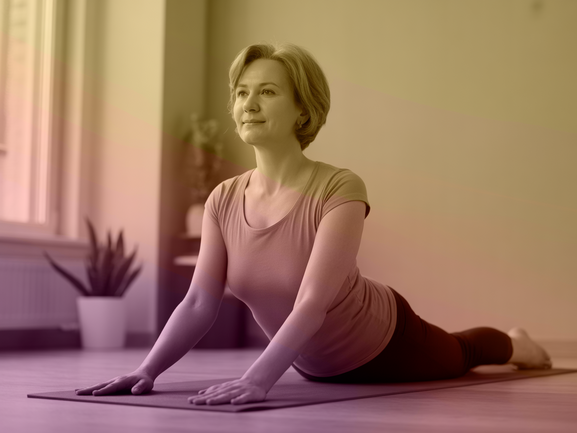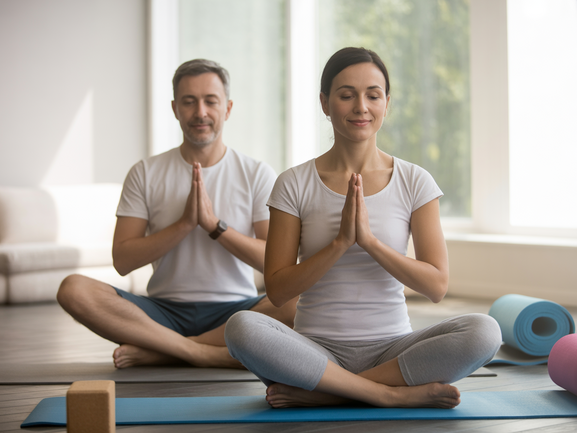


In our hyper-connected 2025 world, stress has become a default state for many. But what if you could fundamentally change your response to it? The answer lies not in a futuristic pill, but in ancient practices with profound modern relevance: yoga and meditation. These disciplines are more than just physical exercise or sitting in silence; they are powerful, science-backed tools for rewiring your brain’s response to pressure. This guide explores the mechanisms behind yoga and meditation for stress relief and provides actionable steps to reclaim your calm.
The Science of Calm: How Yoga and Meditation Counteract Stress
To defeat an enemy, you must understand it. Stress triggers the body’s ‘fight or flight’ response via the hypothalamic-pituitary-adrenal (HPA) axis. This floods your system with cortisol and adrenaline. While crucial for survival, chronic activation leads to burnout, anxiety, and a host of health issues. Yoga and meditation act as a direct counterbalance, deactivating this alarm system and engaging the parasympathetic nervous system—the ‘rest and digest’ state.
1. Taming the Stress Hormone: Cortisol Reduction
Consistent practice of yoga and meditation has been shown to significantly lower cortisol levels. A 2022 study from Harvard University highlighted that participants in a regular yoga program showed a marked decrease in salivary cortisol. By calming the HPA axis, your body learns to stop overreacting to minor stressors.
2. Boosting ‘Feel-Good’ Neurotransmitters
These practices also enhance the production of beneficial brain chemicals. Meditation boosts GABA (gamma-aminobutyric acid), a neurotransmitter that produces a calming effect and helps reduce anxiety. Meanwhile, the physical movement of yoga can increase levels of serotonin and dopamine, improving mood and motivation.
The Core Pillars of Yoga and Meditation for Stress Relief
The power of these disciplines comes from their integrated approach, addressing stress on physical, mental, and emotional levels. Understanding these pillars is key to unlocking their full potential.
Physical Release Through Asanas (Yoga Postures)
Physical tension is a direct manifestation of stress. Yoga’s postures are specifically designed to target and release this stored tension from muscles.
- Child’s Pose (Balasana): Gently stretches the hips, thighs, and ankles while relieving back and neck pain. It’s a go-to pose for immediate calm.
- Cat-Cow Stretch (Marjaryasana-Bitilasana): This dynamic movement connects breath to motion, increasing spinal flexibility and releasing tension in the upper back and neck.
- Legs-Up-The-Wall Pose (Viparita Karani): An incredibly restorative pose that calms the nervous system, drains fluid from the legs, and reduces fatigue.
Nervous System Regulation via Pranayama (Breathwork)
Your breath is the remote control for your nervous system. Shallow, rapid breathing signals stress; slow, deep breathing signals safety. Pranayama teaches you to use this tool consciously. A simple yet powerful technique is Box Breathing:
- Inhale slowly for a count of four.
- Hold your breath for a count of four.
- Exhale slowly for a count of four.
- Hold the breath out for a count of four.
This practice directly stimulates the vagus nerve, lowering heart rate and blood pressure almost instantly.
Mental Clarity Through Mindful Awareness
Meditation isn’t about stopping your thoughts—it’s about changing your relationship with them. By practicing mindfulness, you learn to observe your thoughts and feelings without judgment. This creates mental space, preventing you from being swept away by anxious or stressful thought loops. You become the calm observer rather than the victim of your own mind.
💡 Ready to Feel the Calm?
Don’t just read about it—experience it. The Vitalizen App offers guided sessions in both yoga and meditation, designed to bring you immediate relief. Start your free journey today!
Why Is This Crucial for Mental Wellness in 2025?
The demands of modern life are not slowing down. Digital overload, economic pressures, and global uncertainty have made effective stress management a non-negotiable skill for a healthy life. The data confirms this urgent need.
According to a 2025 report from the American Psychological Association, 77% of adults report that stress impacts their physical health. The same report noted a 45% increase in the adoption of mindfulness apps since 2023, indicating a significant cultural shift toward self-managed mental wellness. Practices like yoga and meditation build the resilience needed to navigate these challenges without becoming overwhelmed.
The Wide-Ranging Benefits of a Consistent Practice
While stress reduction is often the entry point, the positive impacts of yoga and meditation ripple through every aspect of your life. A consistent practice cultivates holistic well-being.
- Deeper, More Restorative Sleep: By calming the nervous system, you prepare your body for higher quality sleep.
- Enhanced Focus and Concentration: Meditation is like a workout for your attention span, helping you filter out distractions.
- Greater Emotional Regulation: Gain control over your reactions by learning to observe your emotions without immediate attachment.
- Improved Cardiovascular Health: Numerous studies, including research from the National Center for Complementary and Integrative Health, confirm the link between regular practice and reduced hypertension.
- Increased Self-Awareness: Develop a profound understanding of your own thought patterns, habits, and triggers.
- Boosted Immune System: By reducing chronic stress, you allow your immune system to function more effectively.
How to Start Your Yoga and Meditation Journey Today
Starting is simpler than you think. It’s not about achieving perfect poses or a completely empty mind. It’s about taking small, repeatable steps toward a more centered you. Here is a simple plan to get started:
- Set a Realistic Goal: Commit to just 5-10 minutes each day. Consistency is far more impactful than duration when you’re beginning.
- Find a Quiet, Dedicated Space: Designate a small corner of your home that is free from interruptions to serve as your sanctuary.
- Use Guided Sessions: Apps like Vitalizen remove the guesswork with step-by-step audio and video guidance tailored for beginners.
- Focus on Your Breath: Whenever you feel lost or distracted, gently bring your attention back to the sensation of your breath. It is your anchor to the present moment.
- Practice Non-Judgment: Your mind will wander—this is normal and expected. The practice is not about forcing silence but about gently guiding your focus back, again and again, with kindness.
What is the Cost of Implementing Yoga and Meditation?
The financial barrier to entry is incredibly low, making these practices accessible to nearly everyone. Here’s a breakdown of common options and their potential return on well-being:
| Method | Initial Cost | Ongoing Cost | Average ROI on Well-being |
|---|---|---|---|
| At-Home Practice (Free Resources) | $0 | $0 | High |
| Wellness Apps (like Vitalizen) | $0 (for free trials) | $10-$20/month | Very High |
| Local Yoga Studio | $20-$30/class | $100-$200/month | High (with community benefits) |
| Wellness Retreats | $500-$5000+ | Variable | Excellent (for deep immersion) |
*Last updated: Dec 09 2025. ROI on Well-being is an estimated measure of impact on stress reduction and overall quality of life.
Frequently Asked Questions (FAQ)
🎯 Take the First Step on Your Wellness Journey.
You have the power to transform your relationship with stress and build a more peaceful, resilient mind. Download the Vitalizen App today and discover the profound benefits of yoga and meditation for yourself.