What is Mindfulness Meditation and How Can It Improve Your Life in 2026?
In our increasingly fast-paced world, finding a moment of genuine peace can feel like an impossible task. Have you ever wondered how you can cultivate a sense of calm and clarity from within, regardless of external chaos? This is the core promise of mindfulness meditation, a practice scientifically proven to offer a wealth of benefits for both your mind and body. This powerful technique is not about stopping your thoughts, but rather observing them without judgment.
At Vitalizen App | Yoga + Meditation, we are passionate about making these transformative and accessible practices available to everyone. Understanding and integrating mindfulness meditation can be a key step toward a more balanced, focused, and fulfilling life.
What Exactly is Mindfulness Meditation?
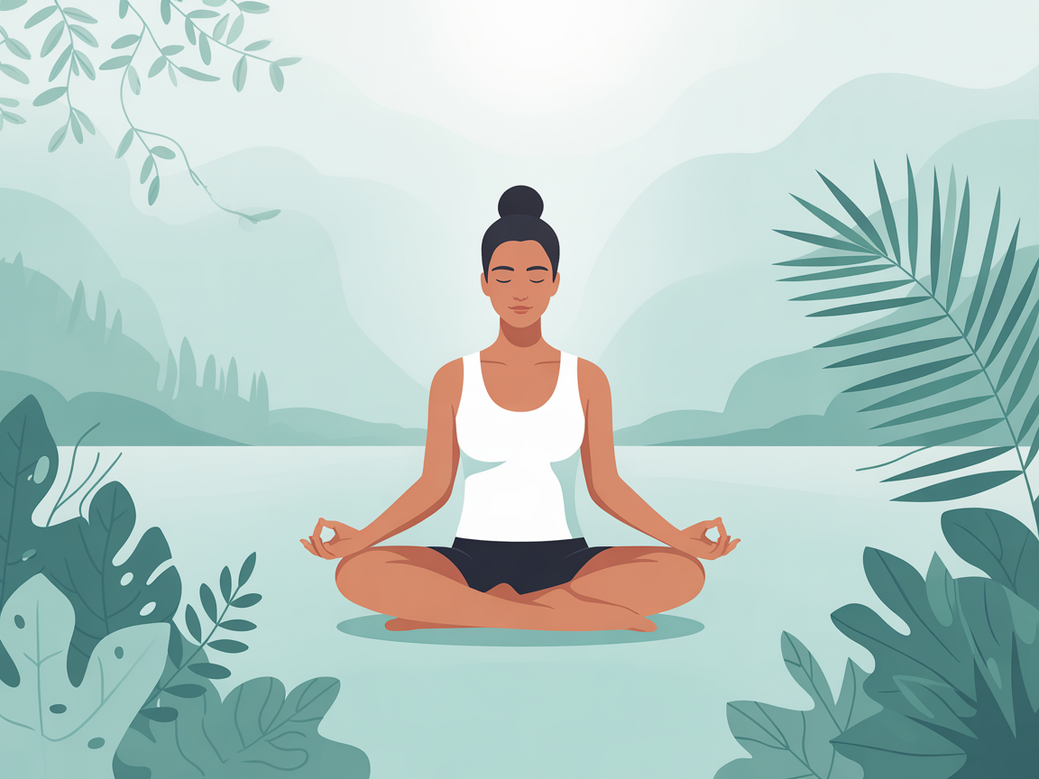
Mindfulness meditation is the practice of intentionally paying attention to the present moment in a non-judgmental way. It involves anchoring your focus on a specific object, often your breath, the sensations in your body, or the sounds around you. As thoughts, feelings, and sensations arise, you acknowledge them and then gently guide your attention back to your anchor. This process helps you develop a greater awareness of your inner world, which can lead to profound and positive changes in your daily life.
The goal is not to empty your mind or achieve a state of blissful nothingness. Instead, the aim of this mindfulness practice is to become a curious and compassionate observer of your own mind’s activity. For instance, you might notice a significant reduction in stress and a marked increase in your ability to focus on important tasks. This form of mental training builds a muscle of awareness that you can use in any situation.
The Ancient Roots and Modern Science of Mindfulness
While mindfulness meditation has become a modern buzzword for well-being, its roots stretch back thousands of years, originating in ancient Eastern contemplative traditions. However, its recent surge in popularity is largely due to the extensive body of scientific research that validates its effectiveness. Scientists have used modern technology, like fMRI scans, to study the brains of meditators and have discovered remarkable changes.
A key concept is neuroplasticity—the brain’s ability to reorganize itself by forming new neural connections. Research from institutions like UMass Chan Medical School has shown that consistent mindfulness practice can physically alter brain structure. Areas associated with learning, memory, and emotional regulation (like the prefrontal cortex) can increase in density, while the area associated with stress and fear (the amygdala) can shrink. This demonstrates that mindfulness is not just a momentary relaxation technique; it’s a way to actively reshape your brain for the better.
Why is Mindfulness a Crucial Skill for Well-being in 2026?
The relevance of mindfulness has only grown as digital distractions and daily pressures intensify. In 2026, the ability to manage your attention and regulate your emotional responses is more valuable than ever. The benefits are not just anecdotal; they are backed by a growing body of scientific research. Studies from authoritative institutions like the National Center for Complementary and Integrative Health (NCCIH) show that regular meditation can lead to significant improvements in your overall health.
According to a 2026 industry report, 75% of regular practitioners report a noticeable decrease in anxiety within the first eight weeks of practice.
This makes mindfulness meditation a crucial tool for navigating the complexities of modern life, enhancing both mental and emotional resilience against burnout and information overload.
The Core Benefits of a Consistent Mindfulness Practice
Adopting a regular mindfulness practice can unlock a wide range of interconnected advantages, creating a positive feedback loop that enhances your quality of life. Here are some of the most significant benefits in more detail:
- Stress and Anxiety Reduction: This is one of the most celebrated benefits. By focusing on the present, you can break the cycle of rumination and worry that fuels anxiety. Mindfulness meditation is shown to lower cortisol, the body’s primary stress hormone, promoting a state of calm.
- Enhanced Focus and Cognitive Function: In a world filled with distractions, maintaining focus is a superpower. Mindfulness is a form of attention training. It strengthens your ability to concentrate, which translates to improved productivity and performance in your personal and professional life.
- Improved Emotional Regulation: This practice helps you develop a greater understanding of your emotions. By observing feelings without judgment, you create a space between a trigger and your response. This allows you to act with more clarity and *less reactivity*, leading to healthier relationships and better decision-making.
- Better Sleep Quality: Many people struggle with sleep due to racing thoughts. A consistent mindfulness practice can help calm the nervous system, making it easier to fall asleep, stay asleep, and wake up feeling more refreshed.
- Increased Self-Awareness and Compassion: By regularly checking in with yourself, you gain deeper insight into your own thoughts, feelings, and behavioral patterns. This self-awareness is the first step toward positive change and also fosters a greater sense of self-compassion and empathy for others.
How to Start Your Mindfulness Meditation Journey Today
Getting started with mindfulness meditation is simpler than you might think. You don’t need special equipment—just a quiet place and a few minutes of your time. The Vitalizen App offers guided meditations perfect for all levels. Find out more about what Vitalizen.app is and how it can help you.
Here is a simple, step-by-step guide to your first session:
- Find a Quiet Space: Choose a location where you won’t be disturbed for 5-10 minutes. This could be a corner of your room or even your parked car.
- Sit Comfortably: Sit on a chair with your feet flat on the floor or on a cushion on the ground. Keep your back straight but not stiff, allowing your body to be relaxed yet alert.
- Focus on Your Breath: Close your eyes gently. Bring your attention to the physical sensation of your breath entering and leaving your body. Notice the rise and fall of your chest or the feeling of air at your nostrils.
- Acknowledge Your Thoughts: Your mind will wander—this is completely normal. When it does, gently acknowledge the thought without judgment (‘thinking’) and guide your focus back to your breath. This act of returning is the core of the practice.
- Scan Your Body: Briefly bring your awareness to different parts of your body, from your toes to your head, noticing any sensations without needing to change them.
- End with Intention: After your time is up, slowly open your eyes. Take a moment to notice how you feel physically and mentally before jumping back into your day.
Integrating Mindfulness Into Your Daily Activities
Formal mindfulness meditation is the foundation, but the ultimate goal is to bring that awareness into your everyday life. This is known as informal practice.
- Mindful Eating: Pay full attention to the experience of eating. Notice the colors, smells, textures, and flavors of your food. Eat slowly and without distraction (like watching TV). This can improve digestion and increase satisfaction.
- Mindful Walking: Feel the sensation of your feet on the ground. Notice the movement of your body and the environment around you. You can do this anywhere, whether you’re walking to your car or taking a stroll in a park.
- Mindful Listening: When someone is talking, give them your full attention. Listen without planning your response. This not only improves communication but deepens your connection with others.
How Much Does Mindfulness Meditation Cost?
The cost of mindfulness meditation can be zero. You can practice on your own using the steps above without spending any money. However, many people find value in using guided resources, especially when starting out. This is where options can range from free to premium.
🎯 **Ready to start?** The Vitalizen App offers structured courses and a diverse content library to support your journey. Begin your wellness journey now.
| Resource Type | Typical Cost | Key Feature |
|---|---|---|
| Self-Guided Practice | Free | Total flexibility and no cost. |
| Free Apps & Videos | Free | Basic guided sessions for beginners. |
| Premium Apps (like Vitalizen) | $10-$15/month | Structured courses, diverse content, and progress tracking. |
| In-Person Classes | $15-$30/class | Community support and direct teacher feedback. |
Frequently Asked Questions About Mindfulness Meditation
How long should I meditate for each day?
Even just five minutes of mindfulness meditation each day can make a significant difference. Consistency is more important than duration. As you become more comfortable, you can gradually increase your sessions to 15, 20, or even 30 minutes.
What if I can’t quiet my mind?
This is the most common misconception. The goal is not to empty your mind. The true aim is to observe your thoughts without getting carried away. The Vitalizen App offers guided meditations that teach you how to gently redirect your focus back to your anchor, such as your breath.
When is the best time to meditate?
The best time is whenever you can consistently fit it into your schedule. Some people prefer meditating in the morning to start their day with intention. Others find it helpful in the evening to unwind. Experiment to see what works for you. For more tips, check out our articles and tips on yoga and meditation.
Is mindfulness a religious practice?
While meditation has roots in various spiritual traditions, mindfulness meditation as it is commonly practiced today is a secular technique for training attention and awareness. It can be practiced by anyone, regardless of their beliefs, as a tool for mental and emotional well-being.
How is mindfulness different from relaxation?
While relaxation is often a positive side effect, the two are different. Relaxation is about releasing tension. Mindfulness, on the other hand, is about paying active, non-judgmental attention to your present experience, whether it is pleasant, unpleasant, or neutral. It is a state of active awareness, not passive rest.
Start Your Journey to a More Mindful Life Today
The powerful benefits of mindfulness meditation are within your reach. This practice is a skill, and like any skill, it grows stronger with consistency. With the Vitalizen App, you can access a wide range of guided meditations and yoga practices designed to help you cultivate a more peaceful, focused, and resilient life. Are you ready to take the first, most important step?
💡 Tip: Start your wellness journey now with a free trial. If you have any questions about our app or how to begin, please feel free to contact us.