


Relieve Stress with Yoga and Meditation: Your Complete 2026 Guide
In our hyper-connected, fast-paced world, stress has become an unwelcome yet constant companion for many. But what if you could tap into a reservoir of calm whenever you needed it? Yoga and meditation are ancient, time-tested practices that serve as powerful and accessible tools to relieve stress. This guide explores how you can integrate them into your life to manage stress, enhance mental clarity, and cultivate a more peaceful mind.
At their core, yoga and meditation are disciplines that unite the mind, body, and breath to foster a state of deep relaxation and mindfulness. This synergy of physical postures, controlled breathing, and focused attention is uniquely effective for reducing stress and anxiety, making it an essential skill for modern living.
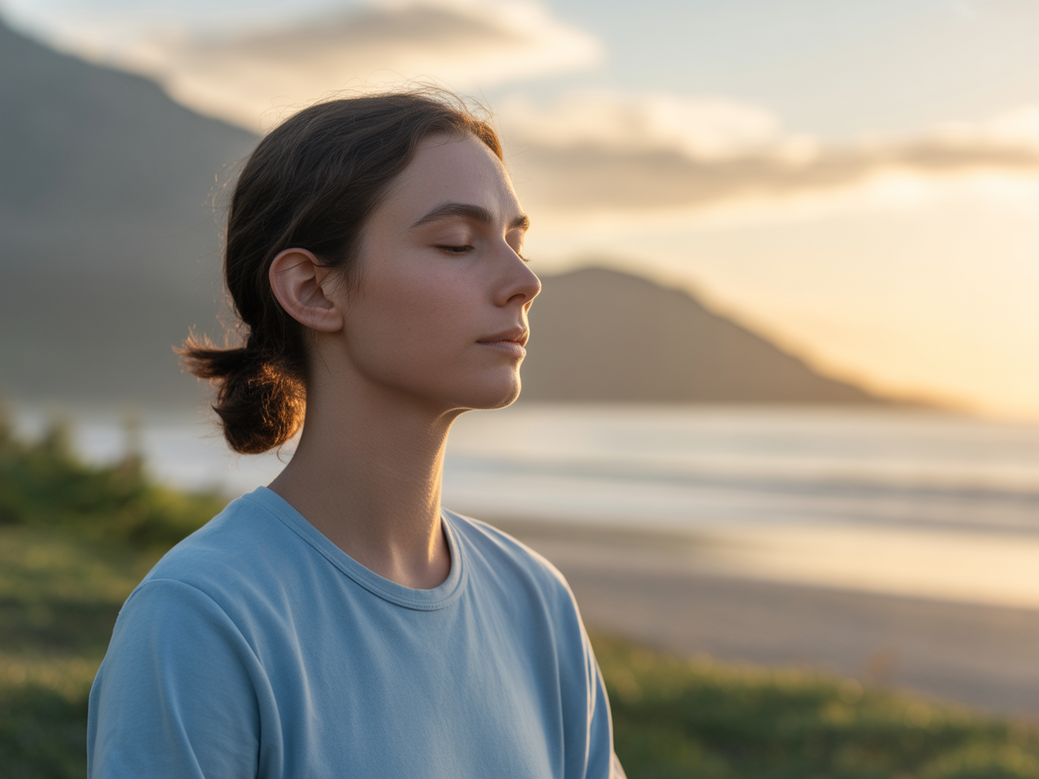
Why Are Yoga and Meditation Crucial for Stress Management in 2026?
Have you ever wondered how some individuals seem to navigate pressure with such ease? The secret often lies in their daily wellness habits. Integrating practices to relieve stress with yoga and meditation is no longer a niche trend; it’s a fundamental strategy for building mental resilience in 2026.
When you feel stressed, your body’s sympathetic nervous system initiates the “fight-or-flight” response, flooding your system with hormones like cortisol and adrenaline. While useful in short bursts, chronic activation of this system can lead to a host of health issues, including anxiety, poor sleep, and a weakened immune system. Yoga and meditation act as a direct counterbalance, activating the parasympathetic nervous system and promoting a “rest and digest” state. This crucial shift helps lower stress hormones, reduce inflammation, and restore equilibrium to your body. Recent 2026 data shows that corporate wellness programs incorporating mindfulness are seeing significant returns in productivity and employee well-being.
The Science Behind How Yoga and Meditation Relieve Stress
Understanding the mechanisms behind these practices can amplify their benefits. The magic lies in a powerful combination of physical release, regulated breathing, and a profound shift in mental perspective.
The Physical Impact: Releasing Tension with Asanas
Yoga combines physical postures (asanas) with breathwork (pranayama) to release tension stored deep within the body’s tissues. Areas like the neck, shoulders, and hips are notorious hotspots for holding stress. By moving through a sequence of poses, you enhance your proprioception—your awareness of your body in space—learning to consciously identify and let go of this stored tension.
- Improves Body Awareness: Yoga trains you to notice precisely where you hold physical tension, the first step to releasing it.
- Promotes Deep Breathing: Controlled breathing techniques, or pranayama, are scientifically proven to calm the central nervous system.
- Releases Physical Tension: Specific stretches and postures unlock tight muscles, improve circulation, and release feel-good endorphins.
The Mental Training: Rewiring Your Brain with Meditation
If yoga addresses the stress held in the body, meditation addresses its origin in the mind. Stress often stems from a relentless cycle of anxious, repetitive, or negative thoughts. Mindfulness meditation, a core component of this practice, teaches you to observe these thoughts without judgment. This simple act of observation creates distance, reducing their emotional power over you. It’s not about *stopping* your thoughts, but rather about fundamentally changing your relationship with them.
According to research from the American Psychological Association, mindfulness practices are effective at reducing rumination and stress. Furthermore, studies from institutions like Harvard University have shown that meditation can physically alter the brain’s structure, increasing density in areas associated with learning and memory and decreasing it in the amygdala, the brain’s fear center.
Top Yoga Poses to Relieve Stress
While a full yoga class is beneficial, you can target stress relief with a few key poses. Hold each for 5-10 deep breaths.
- Child’s Pose (Balasana): A gentle resting pose that calms the brain and relieves stress and fatigue. It gently stretches the hips, thighs, and ankles.
- Cat-Cow Stretch (Marjaryasana-Bitilasana): This dynamic duo warms up the spine and relieves tension in the back and neck. The movement linked with breath is a form of moving meditation.
- Legs-Up-The-Wall Pose (Viparita Karani): An incredibly restorative pose that helps calm the nervous system, drain fluid from the legs, and relieve tired leg muscles.
- Standing Forward Bend (Uttanasana): This pose stretches the hamstrings, thighs, and hips while relieving stress, anxiety, and mild depression.
- Corpse Pose (Savasana): Don’t underestimate the power of this final relaxation pose. It allows the body to fully integrate the benefits of the practice, leading to deep rest and nervous system regulation.
Simple Meditation Techniques for Beginners
Meditation is a skill, and like any skill, it becomes easier with practice. Here are a few simple techniques to get started:
- Mindful Breathing: Sit comfortably and bring your full attention to the sensation of your breath. Notice the air entering your nostrils, filling your lungs, and then leaving your body. When your mind wanders, gently guide it back to your breath. This is the foundational practice to relieve stress with yoga and meditation.
- Body Scan Meditation: Lie down and close your eyes. Bring your attention to the tips of your toes, noticing any sensations without judgment. Slowly move your awareness up through your feet, legs, torso, arms, and head. This practice enhances mind-body connection and releases stored tension.
- Loving-Kindness Meditation: Focus on generating feelings of goodwill and compassion. Start by offering phrases like “May I be happy, may I be healthy, may I be safe” to yourself, then extend them to loved ones, neutral people, and eventually even those with whom you have difficulty.
Key Benefits of a Consistent Practice
The advantages of committing to yoga and meditation extend far beyond a fleeting sense of calm. With consistency, you build a durable foundation for holistic health.
| Benefit Category | Description | Primary Practice |
|---|---|---|
| Reduced Anxiety | Lowers cortisol levels and calms the mind’s tendency to worry about the future. | Meditation & Yoga |
| Improved Sleep Quality | Helps quiet the nervous system, making it easier to fall asleep and stay asleep. | Yoga & Meditation |
| Increased Focus & Clarity | Trains your attention, improving concentration and productivity in daily tasks. | Meditation |
| Enhanced Physical Health | Improves flexibility, reduces muscle stiffness, lowers blood pressure, and boosts immunity. | Yoga |
How to Start Your Wellness Journey Today
Ready to begin? It’s simpler than you think. You don’t need to be an expert or have expensive gear to start reaping the benefits. The most important step is simply to start.
- Create a Quiet Space: Designate a comfortable spot in your home where you won’t be disturbed. This signals to your brain that it’s time to relax.
- Set a Small, Achievable Goal: Commit to just 5-10 minutes. Consistency is far more important than duration, especially when forming a new habit.
- Use a Reliable Guide: A guided session can make all the difference for beginners. It removes the guesswork and helps you stay focused. The Vitalizen App provides a library of guided meditations and yoga flows to help you get started.
- Listen to Your Body: Never force a posture. The goal is to relieve stress, not create it. Modify poses as needed and honor your body’s daily fluctuations.
- Be Patient and Kind: Don’t get discouraged if your mind wanders or you can’t touch your toes. This is a practice of self-compassion. Every session is a success.
> 🎯 **Ready to Start?** The Vitalizen App is your personal guide to a calmer mind. We invite you to start your wellness journey now with practices tailored to your needs and schedule.
Is It Expensive to Relieve Stress with Yoga and Meditation?
One of the most significant advantages of these practices is their accessibility. You can begin with a budget of zero. Countless free resources, including videos and articles, are available online. Your only initial investment is your time and commitment.
For those seeking more structure, accountability, and expert guidance, a dedicated app like Vitalizen offers an incredibly cost-effective solution. Compared to the high cost of studio classes, which can run $20-$30 per session, an app provides a vast library of high-quality sessions for a low monthly fee, giving you unlimited access anytime, anywhere.
Frequently Asked Questions About Yoga and Meditation for Stress
How long does it take to feel the benefits?
While many people report feeling calmer immediately after a single session, the profound, long-term benefits come with consistent practice. To build momentum and create lasting change in your neural pathways, aim for at least 3-4 sessions per week. Within a few weeks, you’ll likely notice a significant difference in how you relieve stress with yoga and meditation in your daily life.
Do I need to be flexible to do yoga?
Absolutely not! This is a common myth. Saying you’re not flexible enough for yoga is like saying you’re too dirty to take a shower. Yoga is not about achieving perfect postures; it’s about listening to your body. Flexibility is a *result* of a consistent yoga practice, not a prerequisite. The Vitalizen App offers beginner-friendly sessions that meet you exactly where you are.
What if I can’t quiet my mind during meditation?
Welcome to the human experience! A busy mind is completely normal. The goal of meditation isn’t an empty mind, but to practice noticing when your mind has wandered and gently, without judgment, guiding it back to your point of focus (like your breath). Every time you do this, you are strengthening your \”mindfulness muscle.\” Guided meditations, like those in our app, are especially helpful for this. For more tips, explore our Yoga and Meditation Articles, Tips, and Guidance.
What is the best time of day to practice?
The best time to practice is whenever you can consistently fit it into your schedule. Some people prefer the morning to set a calm tone for the day. Others find an evening practice helps them unwind and transition into a restful night’s sleep. Experiment to see what works best for your body and lifestyle. The most effective practice is the one you actually do.
Take Control of Your Well-being Today
Ultimately, learning to relieve stress with yoga and meditation is a profound act of self-care. By integrating these practices into your life, you are not just treating the symptoms of stress; you are building a deep, lasting foundation of resilience and inner peace. The journey of a thousand miles begins with a single step, and your journey to a calmer, more centered life can begin right now.
> 💡 **Tip:** Download the Vitalizen App and let us guide you. Start your wellness journey now and transform your relationship with stress. If you have any questions, feel free to contact us.
Last update: January 28, 2026. Authoritative sources for this article include research from the National Center for Complementary and Integrative Health (NCCIH), a U.S. government agency, and other leading health institutions.