


Mastering Yoga and Meditation in 2026: A Beginner’s Path to Wellness
Have you ever wondered how to quiet your mind and strengthen your body amid the chaos of modern life? The ancient practices of yoga and meditation are powerful, science-backed tools for improving your overall well-being. If you’re a beginner, starting can feel intimidating, but this guide breaks it down into simple, actionable steps. With the Vitalizen App | Yoga + Meditation, you have a perfect partner to guide you on your wellness journey.
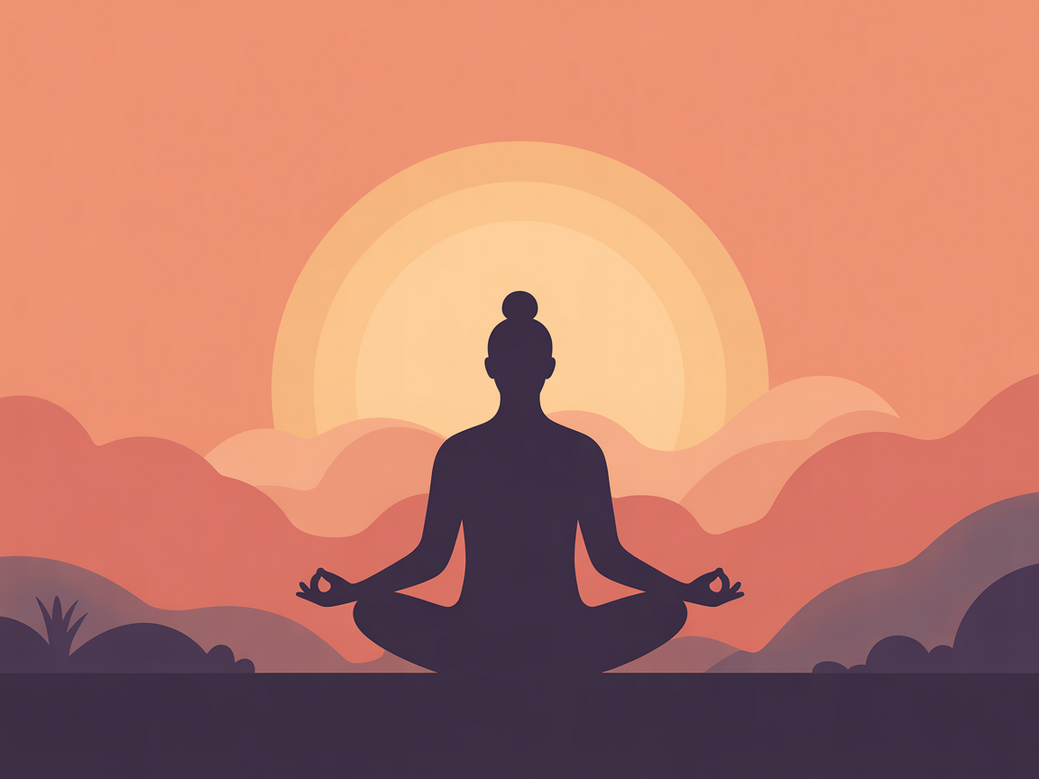
What Are Yoga and Meditation at Their Core?
First, let’s define our terms. Yoga is a holistic mind-body practice that combines physical postures (asanas), breathing techniques (pranayama), and meditation. Originating in ancient India, its primary goal is to create harmony between your body, mind, and spirit. It’s not just about becoming more flexible; it’s about building functional strength and profound self-awareness.
Meditation, on the other hand, is a practice focused on training attention and awareness to achieve a mentally clear and emotionally calm state. A common misconception is that you must “empty your mind.” Instead, you learn to observe your thoughts without judgment, which is a key skill for reducing stress and improving focus. When combined, these two disciplines amplify each other’s benefits, enhancing your overall quality of life.
Why Is a Yoga and Meditation Practice Essential in 2026?
In our hyper-connected world, the need for mental and physical resilience has never been greater. Digital burnout and chronic stress are significant public health concerns. Intentionally disconnecting through a dedicated yoga and meditation routine offers a direct antidote to the constant stimulation of daily life.
According to the National Institutes of Health (NIH), mindfulness practices can significantly help in relieving stress and improving mental health. A 2026 report from the Global Wellness Institute further supports this, stating that 78% of adults report stress negatively impacts their daily lives, highlighting practices like yoga and meditation as highly effective management methods. For more information, you can review studies on wellness at NIH.gov.
These practices are not a temporary escape; they are a sustainable method for building lasting mental fortitude and physical health. They teach you to be present—a skill that benefits *every* aspect of your life, from professional performance to personal relationships.
The Synergy of Body and Mind: How Yoga and Meditation Work Together
While you can practice them separately, combining yoga and meditation creates a powerful synergy. Yoga uses physical movement to release tension stored in the body, particularly in areas like the hips, shoulders, and back. A body that is open and relaxed makes it much easier for the mind to settle into a state of stillness for meditation.
Think of it this way: yoga prepares the *house* (your body), and meditation allows the *resident* (your mind) to live peacefully within it. The physical exertion of yoga helps quiet the mental chatter, while the stillness of meditation deepens your connection to your body. This powerful combination enhances flexibility and strength while cultivating a profound sense of inner peace and mental clarity.
| Aspect | Yoga | Meditation |
|---|---|---|
| Primary Focus | Physical postures and breath | Mental awareness and focus |
| Main Activity | Movement and holding poses (Asanas) | Stillness (sitting or lying down) |
| Key Benefit | Flexibility, strength, balance | Stress reduction, clarity, calm |
Unlocking the Transformative Benefits of a Consistent Practice
Committing to a regular yoga and meditation practice, even for just a few minutes each day, can lead to profound changes. The benefits are both physical and mental, creating a holistic improvement in your well-being.
Physical Benefits:
- Increased Flexibility: Yoga systematically stretches your muscles and connective tissues, improving your range of motion.
- Enhanced Strength: Holding yoga poses builds isometric muscle tone and core strength without requiring external weights.
- Improved Posture and Balance: By strengthening your core and increasing body awareness, you’ll naturally stand taller and feel more stable.
- Better Respiratory Health: Breathing exercises (pranayama) can increase lung capacity and efficiency, as noted by research from institutions like Johns Hopkins Medicine.
Mental and Emotional Benefits:
- Stress Reduction: Both practices are proven to lower cortisol, the body’s primary stress hormone, promoting a state of relaxation.
- Greater Emotional Regulation: Meditation helps you observe your emotions without reacting impulsively, giving you more control over your responses.
- Increased Focus and Concentration: Training your attention during practice directly translates to better focus throughout your day.
- Deeper Sense of Well-being: Many practitioners report a lasting feeling of peace, contentment, and connection.
Choosing the Right Style of Yoga for Your Goals
The world of yoga is vast, with many different styles to explore. For a beginner, choosing the right one can make all the difference. Here are a few popular styles perfect for starting your yoga and meditation journey:
- Hatha Yoga: Often recommended for beginners, Hatha is a slower-paced style that focuses on holding basic poses to learn proper alignment. It’s an excellent foundation.
- Vinyasa Yoga: This style links breath to movement, creating a dynamic and flowing sequence of poses. It’s more fast-paced and can feel like a workout.
- Restorative Yoga: Using props like bolsters and blankets, this practice involves holding gentle poses for extended periods to promote deep relaxation and stress relief.
- Yin Yoga: Similar to restorative, Yin focuses on holding passive poses for several minutes to target deep connective tissues and increase flexibility.
Explore different classes on the Vitalizen App to discover which style of yoga and meditation resonates most with you.
How to Start Your Yoga Practice: 5 Foundational Poses
You don’t need to be able to touch your toes to start yoga. The only requirement is a willingness to try. Here are five simple poses perfect for absolute beginners.
- Mountain Pose (Tadasana): Stand tall with your feet together, grounding yourself. This foundational pose improves posture and balance.
- Cat-Cow Stretch (Marjaryasana-Bitilasana): On your hands and knees, alternate between arching and rounding your back. It’s a fantastic way to warm up the spine.
- Downward-Facing Dog (Adho Mukha Svanasana): This classic pose stretches the entire body. Beginners can bend their knees deeply to reduce hamstring intensity.
- Child’s Pose (Balasana): A gentle resting pose that calms the mind and stretches the hips and back. It’s a great pose to return to anytime you need a break.
- Bridge Pose (Setu Bandhasana): Lying on your back, lift your hips toward the ceiling. This pose strengthens the back and legs and gently opens the chest.
> 💡 **Tip:** Ready to try these? Start your wellness journey now and find guided sessions for beginners on the Vitalizen App.
How to Begin Meditating: A Simple 5-Step Guide
Meditation is a skill, and like any skill, it gets easier with practice. The goal isn’t a perfectly empty mind; it’s to gently guide your attention back whenever it wanders. This act of returning *is* the practice itself.
- Find a comfortable and quiet place where you won’t be disturbed. Sit on a chair with your feet flat on the floor or on a cushion on the ground.
- Close your eyes and take a few deep breaths to settle in.
- Focus your attention on the physical sensation of your breath entering and leaving your body.
- When your mind wanders (which it will), simply and gently acknowledge the thought without judgment and guide your focus back to your breath.
- Start with just 5 minutes a day. Consistency is far more important than duration when building a yoga and meditation habit.
For more guidance, explore the articles and tips on our Yoga and Meditation Blog.
Creating Your Personal Sanctuary for Practice
Dedicating a specific area in your home for your yoga and meditation practice can make it much easier to stay consistent. This space doesn’t need to be large, but it should be quiet, clean, and inviting. Consider the following:
- Minimize Clutter: A tidy space helps create a calm mind.
- Soft Lighting: Use a dimmer or a lamp with a warm bulb to create a relaxing ambiance.
- Comfortable Temperature: Ensure the room is a pleasant temperature where you won’t feel too hot or too cold.
- Personal Touches: Add a small plant, a candle, or anything that makes the space feel sacred and personal to you.
What is the Real Cost of Starting Yoga and Meditation?
One of the greatest advantages of these practices is their accessibility. You can start with little to no financial investment.
- Free Resources: Apps like Vitalizen offer free introductory sessions for yoga and meditation. You can also find countless guided practices on platforms like YouTube.
- Low-Cost Equipment: A yoga mat is the most common purchase (around $20-$50), but a non-slip towel on a carpeted floor works fine to start.
- Studio Memberships: If you prefer in-person classes, studio prices can range from $15-$30 per class or $100-$200 for a monthly membership.
Your primary investment is time. Even 10-15 minutes a day is enough to start seeing real benefits from your yoga and meditation routine.
Frequently Asked Questions About Yoga and Meditation
Do I need to be flexible to start yoga?
Not at all! A common saying is, ‘Saying you’re not flexible enough for yoga is like saying you’re too dirty to take a bath.’ Yoga is the very practice that will help you improve your flexibility over time. The Vitalizen App offers beginner-friendly classes that meet you exactly where you are, modifying poses to fit your body.
How long does it take to feel the benefits of meditation?
While some people report feeling calmer after their very first session, the most profound, long-term benefits of meditation come with consistent practice. Aim for consistency over duration. A daily 5-minute practice is far more effective and sustainable than a single 30-minute session once a week. You may notice better focus and less reactivity within a few weeks.
What equipment do I really need to start?
To begin, you don’t need much. A comfortable, quiet space is the most important thing. A yoga mat is helpful for grip and cushioning, but a towel or carpeted floor can work too. For meditation, a cushion or chair that allows you to sit upright comfortably can help with posture. The most important thing is simply to start with what you have.
Can I practice yoga and meditation if I have an injury?
It is essential to consult with a healthcare professional before starting any new physical activity, especially with an injury. However, many yoga poses can be modified to accommodate limitations. Gentle, restorative yoga or chair yoga can be excellent options. Meditation is generally safe and can be a powerful tool for managing the mental stress associated with an injury.
What is the difference between mindfulness and meditation?
Mindfulness is the quality of being present and fully engaged with whatever you’re doing at the moment. Meditation is the formal practice you do to cultivate that quality. For example, you can mindfully drink a cup of tea by paying full attention to its warmth, taste, and aroma. A 10-minute seated meditation session is the workout you do to strengthen your ‘mindfulness muscle’.
Are You Ready to Begin Your Wellness Journey?
In conclusion, taking the first step is the most important part of any journey. With yoga and meditation, you are making a powerful investment in your long-term health and happiness. You don’t need to be perfect; you just need to be present. The Vitalizen App is here to support you with guided practices, progress tracking, and a community to keep you motivated.
🎯 Ready to transform your life, one breath at a time? Download the Vitalizen App and start your free trial today!
If you have any questions, feel free to get in touch with us through our Contact page.