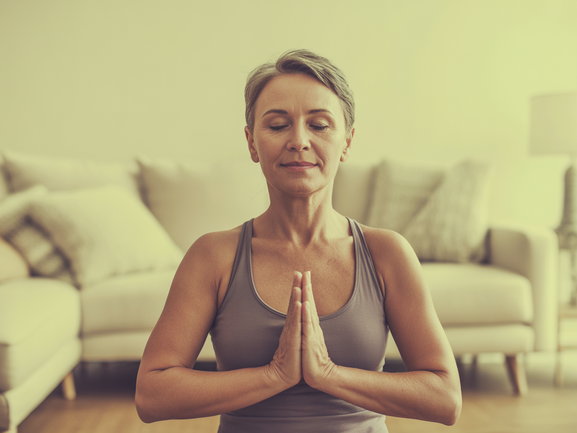


Mastering Stillness: How to Start a Yoga and Meditation Practice in 2026
In the relentless pace of 2026, finding a moment of peace can feel like a luxury. Yet, starting a yoga and meditation practice is one of the most accessible and profound investments you can make in your mental and physical well-being. These ancient disciplines offer a powerful antidote to modern stress, providing a clear path to reduce anxiety, sharpen your focus, and improve your physical health. This comprehensive guide provides actionable, expert-backed steps for beginners to embark on this transformative journey with confidence.

Deconstructing the Disciplines: What Are Yoga and Meditation?
Before you roll out a mat or close your eyes, understanding the essence of each practice is key. While often intertwined, yoga and meditation are distinct disciplines with unique focuses and goals. Grasping their individuality helps you appreciate their powerful synergy.
Yoga: More Than Just a Pose
Yoga is a holistic mind-body discipline originating in ancient India. It’s far more than physical exercise or stretching; it’s a practice that uses physical postures (asanas), controlled breathing techniques (pranayama), and meditation to create a harmonious connection between your body, mind, and spirit. The ultimate goal of yoga isn’t to touch your toes, but to unite your inner and outer worlds, fostering self-awareness and physical vitality.
Meditation: Training the Mind for Clarity
Meditation is a practice centered on training attention and awareness to achieve a state of mental clarity, emotional calm, and stable focus. While it’s a core component of any complete yoga practice, meditation is also a powerful standalone tool. It teaches you to observe your thoughts and feelings without judgment, preventing you from getting entangled in them. This cultivates a peaceful and resilient state of mind, which is foundational to a successful yoga and meditation journey.
The Science of Serenity: Why Your Well-being Demands These Practices
Integrating yoga and meditation into your daily life unlocks a wealth of scientifically-validated benefits. You aren’t just adopting a new hobby; you’re engaging with a complete system for holistic wellness. The synergy between the physical movement of yoga and the mental stillness of meditation creates a powerful framework for transformation.
According to a 2026 report from the Global Wellness Institute, 78% of individuals who regularly practice yoga and meditation report a significant decrease in anxiety symptoms within three months.
Transformative Physical Benefits
- Improved Flexibility and Mobility: Gently lengthens muscles and increases the range of motion in joints.
- Increased Muscle Strength and Tone: Bodyweight-bearing poses build strength in a balanced, functional way.
- Enhanced Respiratory Function: Breathing exercises improve lung capacity and efficiency.
- Better Posture and Balance: Strengthens core muscles and improves proprioception (your sense of body position).
Profound Mental and Emotional Gains
- Significant Stress and Anxiety Reduction: Lowers cortisol levels and calms the nervous system.
- Improved Focus and Concentration: Training your attention through meditation sharpens your mental acuity.
- Greater Self-Awareness: Helps you understand your thought patterns and emotional triggers.
- Enhanced Emotional Regulation: Provides the tools to respond to challenges with calm instead of reacting impulsively.
Your First Steps on the Mat: A Beginner’s Guide to Starting Yoga
Starting yoga can feel intimidating, but the journey begins with a single breath. The most important principle is to listen to your body, move with intention, and release any expectations. Your focus should be on how the poses feel, not how they look.
Setting Up for Success
- Designate a Dedicated Space: Find a quiet, clutter-free spot where you won’t be disturbed. Even a small corner can become your sanctuary.
- Wear Comfortable Clothing: Choose breathable fabrics that allow you to move and stretch without restriction.
- Invest in a Mat: A quality yoga mat provides essential grip and cushioning to protect your joints.
- Start with Your Breath: Before attempting any poses, sit comfortably and focus on your breath for a few minutes. This simple act grounds you in the present moment.
- Prioritize Consistency Over Duration: A short 15-minute session three times a week is far more beneficial than one long session per month. Consistency builds momentum and creates lasting habits.
5 Essential Yoga Poses for Beginners
Mastering these foundational poses will build your confidence and create a solid base for your practice. For detailed instructions, check out the beginner poses guide on the Vitalizen blog.
- Mountain Pose (Tadasana): The blueprint for all standing poses. It teaches you to ground down through your feet and lengthen your spine.
- Downward-Facing Dog (Adho Mukha Svanasana): A gentle inversion that stretches the entire body, from your hands to your feet.
- Warrior II (Virabhadrasana II): A powerful standing pose that builds strength in the legs and opens the hips and chest.
- Cat-Cow Stretch (Marjaryasana-Bitilasana): A dynamic movement that links breath to motion, warming up the spine and relieving back tension.
- Corpse Pose (Savasana): The final and most important pose for relaxation, allowing your body to absorb the benefits of the practice.
Choosing Your Style: A Comparison of Beginner-Friendly Yoga
The world of yoga is vast. This table helps you find a style that resonates with your goals.
| Style | Focus | Best For |
|---|---|---|
| Hatha Yoga | Basic poses held for several breaths, focusing on alignment. | Absolute beginners looking to learn foundational poses. |
| Vinyasa Yoga | Flowing movements synchronized with breath. | Those who enjoy a more dynamic, fluid practice. |
| Restorative Yoga | Deep relaxation using props like pillows and blankets. | Stress relief, recovery, and gentle stretching. |
💡 Tip: The Vitalizen app offers guided sessions in all these styles. Download it for free to find the perfect fit for you!
Finding Your Inner Calm: How to Begin a Meditation Practice Today
Meditation is a skill, and like any skill, it improves with practice. It’s accessible to everyone, anywhere, and requires no special equipment—only your willingness to sit and be present.
A Simple 5-Minute Meditation to Start Now
- Find a quiet, comfortable place to sit. You can be on a chair with your feet flat on the floor or on a cushion on the ground. Keep your back straight but not stiff.
- Close your eyes gently and take three deep, cleansing breaths—in through your nose and out through your mouth.
- Allow your breath to return to its natural rhythm. Bring your full attention to the sensation of it. Notice the air entering your nostrils, filling your lungs, and then leaving your body.
- Your mind will wander. This is normal and expected. When you notice your thoughts drifting, gently and without judgment, acknowledge the thought and guide your focus back to your breath.
- Continue for 5 minutes. Don’t worry about doing it “right.” The practice is simply returning your attention, again and again.
Studies from institutions like the National Institutes of Health (.gov) and research published by universities like Harvard University (.edu) consistently highlight how mindfulness meditation can reshape brain regions involved in stress, focus, and self-awareness.
Your Personal Wellness Compass: How the Vitalizen App Can Guide You
Feeling inspired but unsure of the next step? The Vitalizen App | Yoga + Meditation is designed to be your personal wellness companion. We eliminate the guesswork and provide a clear, structured path for your yoga and meditation practice.
So, what is Vitalizen.app? It is your pocket-sized guide to a healthier, more mindful life. The app offers hundreds of guided yoga sessions for all levels, calming meditations to fit any schedule, and progress tracking to keep you motivated. With our app features, you can build a consistent and rewarding practice from the comfort of your home.
🎯 Ready to start? Download the Vitalizen App and begin your wellness journey now!
Frequently Asked Questions (FAQ)
How long should I meditate each day?
For beginners, starting with just 5-10 minutes of meditation per day is highly effective. As you become more comfortable, you can gradually increase the duration. The key is consistency, not the length of the session. A short daily practice is more impactful than a long weekly one.
Do I need any special equipment for yoga?
While a yoga mat is highly recommended for grip and comfort, you don’t need much else to start. Comfortable clothing and a quiet space are the only true essentials. The Vitalizen app guides you through many practices that require no equipment at all.
Can I do yoga and meditation with no experience?
Absolutely! Yoga and meditation are for everyone, regardless of age, fitness level, or experience. The Vitalizen app offers beginner-friendly sessions designed to teach you the fundamentals at your own pace. Everyone starts somewhere, and the most important step is the first one.
What is the difference between yoga and stretching?
While both improve flexibility, yoga is a more holistic practice. Yoga integrates controlled breathing (pranayama), specific postures (asanas), and mindfulness to connect the body and mind. Stretching typically focuses solely on elongating muscles. Yoga’s primary goal is overall well-being, while stretching is more about physical flexibility.
How much does it cost to start yoga and meditation?
The cost can be zero! You can start at home with free resources and guided sessions from apps like Vitalizen. If you choose to attend studio classes, prices can vary. A one-time investment in a yoga mat is a good idea. The practice can be adapted to any budget.
How do I know if I’m doing a yoga pose correctly?
Focus on sensation over appearance. A pose is “correct” if you feel a gentle stretch without sharp pain. Use guided sessions from an app like Vitalizen, where instructors provide detailed alignment cues. It’s about listening to your body, not forcing it into a shape.
What is the best time of day to practice?
The best time to practice is whenever you can be consistent. Many people prefer the morning to start their day with focus and energy. Others find an evening practice helps them unwind and improve sleep. Experiment and find what works best for your schedule.
Your Journey to a More Centered Life Begins Now
In conclusion, starting a yoga and meditation practice is a powerful and rewarding act of self-care. It’s a journey, not a destination. By taking these small, manageable steps, you are building a solid foundation for a healthier, more mindful, and more balanced life. Be patient, be kind to yourself, and celebrate every moment you spend on your mat and cushion.
If you have any questions or want to share your progress, feel free to contact us. We are here to support you. Download the Vitalizen App today and begin your transformation!