


Tadasana: The Ultimate Guide to Mountain Pose
Have you ever considered that the simple act of standing could be a powerful form of practice? On the Vitalizen App blog, we explore how fundamental practices in yoga and meditation can transform your well-being. Today, we’re focusing on the cornerstone of all yoga asanas (poses): Tadasana, or Mountain Pose.
Tadasana is the foundational blueprint for all standing yoga postures and even influences seated poses. The name originates from the Sanskrit words “Tada” (mountain) and “Asana” (pose). It is a practice where you learn to stand with the majesty, stability, and stillness of a mountain. While it may look like “just standing,” mastering Tadasana is a profound journey into alignment, balance, and self-awareness that can elevate your entire yoga practice and daily life.
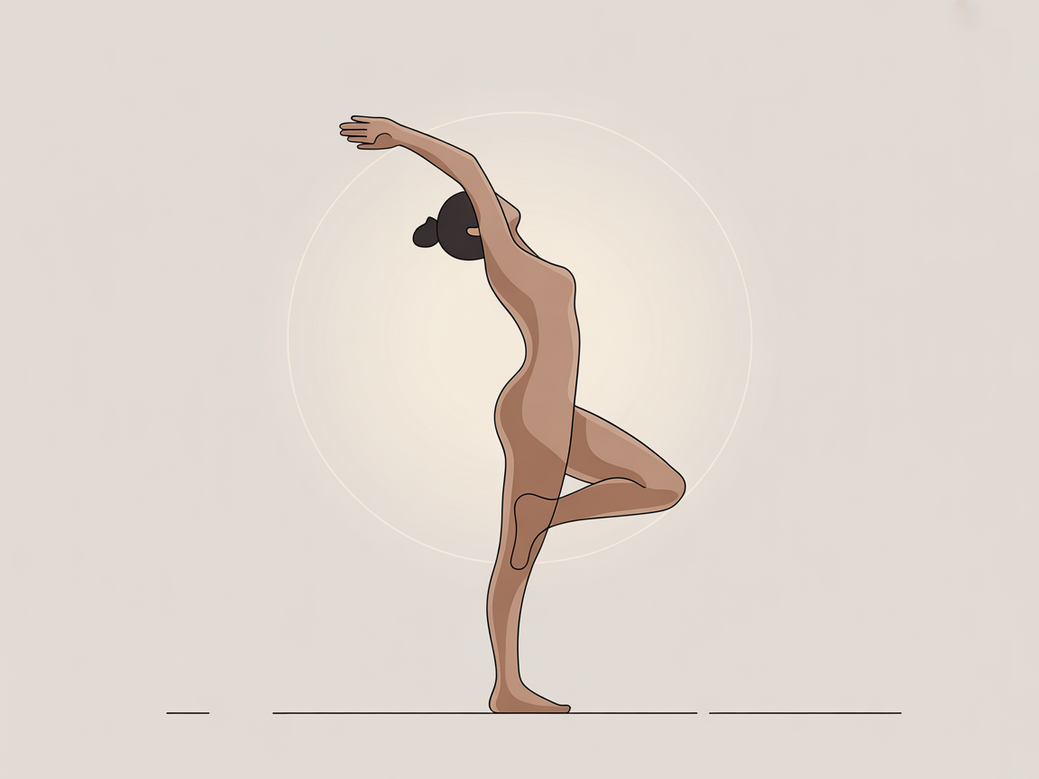
Why is Tadasana the Most Important Pose in Yoga?
Integrating Tadasana into your daily life offers benefits that extend far beyond the yoga mat. It’s an active pose that engages every muscle, teaching you principles of alignment that are critical for a safe and effective practice. According to a 2026 report, consistent posture-focused exercises can dramatically improve quality of life by enhancing body awareness and muscular strength.
- Improves Posture: By practicing Tadasana, you develop a keen awareness of your body’s alignment, helping you correct slouching and stand taller in your daily activities.
- Strengthens Key Muscles: It actively strengthens your thighs, knees, and ankles, building a stable foundation for more complex poses.
- Firms Abdomen and Buttocks: Consciously engaging your core and gluteal muscles in Tadasana helps to tone and stabilize your entire torso.
- Enhances Balance: As a pose centered on stability, it is fundamental for developing a better sense of physical and mental balance. Research from the National Center for Complementary and Integrative Health supports yoga’s effectiveness in improving balance.
- Reduces Flat Feet: The pose helps to build and strengthen the arches of the feet, which can alleviate issues related to flat feet over time.
- Increases Body Awareness (Proprioception): It cultivates a deep connection to your body, teaching you to notice subtle shifts and imbalances.
“Tadasana is the mother of all asanas. All asanas either originate from Tadasana or are a variation of it. It is the blueprint for correct posture.” – B.K.S. Iyengar
The Anatomy of Stillness: How Tadasana Works
Tadasana works by creating a conscious, aligned, and stable structure from the ground up. You begin by grounding through your feet, creating an unshakable foundation. From there, you systematically engage muscle groups up through the legs, core, and upper body. This process stacks your joints—ankles, knees, hips, and shoulders—in a vertical line, allowing gravity to flow through your body efficiently. This alignment minimizes muscular strain and promotes a state of active stillness, where the body is both relaxed and alert.
| Pose | Primary Focus | Key Benefit |
|---|---|---|
| Tadasana (Mountain Pose) | Alignment & Stability | Postural Blueprint |
| Adho Mukha Svanasana (Downward-Facing Dog) | Full-Body Stretch & Strength | Decompresses Spine |
| Virabhadrasana II (Warrior II) | Strength & Hip Opening | Builds Stamina |
How to Practice Tadasana: A Step-by-Step Guide
Ready to build your foundation? You don’t need any special equipment to begin. Just find a flat surface where you can stand comfortably. Follow these steps to practice Tadasana correctly.
- Establish Your Foundation: Stand with your big toes touching and your heels slightly apart. Lift and spread all ten of your toes to feel the four corners of your feet pressing evenly into the ground.
- Engage Your Legs: Actively engage your thigh muscles (quadriceps) to lift your kneecaps, but be careful not to lock your knees. Imagine energy drawing up from your feet through the crown of your head.
- Align Your Pelvis and Core: Gently tuck your tailbone downward and inward. Engage your lower abdominal muscles as if you are zipping up a tight pair of pants. This supports your lower back and creates a neutral pelvis.
- Open Your Chest and Shoulders: Roll your shoulders up towards your ears, then draw them back and let them release down your back. This action broadens your collarbones and opens your chest.
- Position Your Arms and Head: Allow your arms to rest alongside your body with your palms facing forward in a gesture of openness. Lengthen your neck, ensuring your chin is parallel to the floor and the crown of your head is reaching for the sky.
- Breathe and Hold: Close your eyes if you feel stable. Breathe deeply and calmly for 30 seconds to a minute. Notice the subtle movements of your body as you maintain your balance.
💡 Tip: For more detailed guidance and a variety of yoga practices, explore the Vitalizen App | Yoga + Meditation.
Common Mistakes to Avoid in Tadasana
While it seems simple, a few common misalignments can prevent you from getting the full benefits of Mountain Pose. Watch out for these:
- Leaning Forward or Backward: Check that your weight is evenly distributed between the balls of your feet and your heels.
- Locking the Knees: Always maintain a micro-bend in your knees to protect the joint and keep the leg muscles active.
- Anterior Pelvic Tilt (Swayback): Avoid letting your lower back over-arch. Actively tuck your tailbone down to maintain a neutral spine.
- Slumped Shoulders: Be mindful of rolling the shoulders forward. Keep the chest open and broad.
When is the Best Time to Use Tadasana?
The beauty of Tadasana lies in its versatility. You can use it:
- At the beginning of your yoga practice: To set your intention and find your alignment.
- Between standing poses: To return to a neutral, balanced state.
- As a standalone practice: Taking a few minutes during your day to stand in Tadasana can counteract the effects of sitting and reset your posture.
Frequently Asked Questions about Tadasana
Here are some common questions about this foundational yoga pose.
🎯 Ready to start? Contact us today to learn more about our personalized yoga and meditation programs!
We hope this guide has inspired you to embrace the power of Tadasana and build a stronger foundation for your practice and your life. For more insights, visit authoritative sources like the Yoga Journal. Namaste!