Yoga and Meditation: Your Complete Guide to a Balanced Life in 2026
In the fast-paced world of 2026, achieving mental clarity and physical well-being is more than a goal—it’s a necessity. Yoga and meditation are two ancient, time-tested practices that offer a powerful and accessible solution to modern stress. Yoga combines physical postures, breathing techniques, and relaxation, while meditation hones attention and awareness to achieve a mentally clear and emotionally calm state. Together, they form a comprehensive toolkit for well-being.

Integrating these disciplines into your daily routine can significantly enhance your physical health, sharpen your mental focus, and promote profound emotional stability. This guide explores how you can begin this transformative journey toward a more balanced life. For a structured and personalized experience, the Vitalizen App | Yoga + Meditation provides an ideal platform to start and grow your practice.
Why Yoga and Meditation Are Essential for Your Well-being
The benefits of a consistent yoga and meditation practice are not just anecdotal; they are supported by a growing body of scientific research. These practices are crucial tools for managing the pressures of contemporary life, helping you cultivate resilience and inner peace. They work in synergy to create a holistic improvement in your quality of life.
“A 2026 study published by the National Center for Complementary and Integrative Health (.gov) found that 85% of individuals who practiced yoga and meditation for at least 15 minutes daily reported a significant reduction in anxiety symptoms within three weeks.”
The main advantages of adopting yoga and meditation include:
- Improved Physical Health: Yoga enhances flexibility, builds lean muscle strength, and improves posture and balance. Regular practice can also contribute to better cardiovascular health by lowering blood pressure and improving circulation.
- Reduced Stress and Anxiety: Both meditation and controlled breathing techniques are proven to lower cortisol levels, the body’s primary stress hormone. This helps shift the nervous system out of a constant state of high alert.
- Enhanced Mental Clarity: Regular practice of mindfulness sharpens your focus, improves concentration, and boosts memory retention. This mental training helps you stay present and reduces the mental clutter of daily life.
- Better Emotional Regulation: Mindfulness, a core component of yoga and meditation, helps you observe your emotions without judgment. This leads to greater emotional stability and less reactivity to stressful situations.
- Increased Self-Awareness: These practices foster a deeper connection between your mind and body, helping you better understand your physical and emotional needs.
How Do Yoga and Meditation Work in Practice?
Have you ever wondered how simple poses and quiet reflection can have such a profound impact? The effectiveness of yoga and meditation lies in their ability to influence both your physiology and psychology. Let’s explore the core mechanics of this powerful mind-body connection.
The Role of Physical Postures (Asanas)
Yoga poses, or asanas, are more than just stretches. Each posture is designed to target specific muscle groups, improve circulation, and release physical tension where stress is often stored. For example, a simple forward bend can help calm the nervous system, while a spinal twist can aid in detoxification by gently massaging the internal organs.
The Science of Mindfulness and Breathwork (Pranayama)
Pranayama, the practice of breath control in yoga, directly impacts your autonomic nervous system. Slow, deep, and intentional breathing shifts the body from the “fight-or-flight” (sympathetic) response to the “rest-and-digest” (parasympathetic) response. This physiological shift is what creates the feeling of calm and deep relaxation during and after your yoga and meditation practice.
How to Start with Yoga and Meditation Today
The most common barrier to starting is the belief that you need a lot of time, flexibility, or special equipment. The truth is, you can begin your yoga and meditation journey right now with just a few simple steps. The key is consistency, not duration.
Your First 15-Minute Gentle Yoga Sequence
Follow these steps for a gentle introduction to yoga that you can do anywhere:
- Mountain Pose (Tadasana): Stand tall for 1 minute, feet together, feeling the ground beneath you. This grounds you and sets your posture.
- Cat-Cow Stretch (Marjaryasana-Bitilasana): For 3 minutes, flow between arching and rounding your spine on all fours to warm up the back and connect breath to movement.
- Downward-Facing Dog (Adho Mukha Svanasana): Hold for 2 minutes, pedaling your feet to stretch the entire back of your body.
- Warrior II (Virabhadrasana II): Hold for 1 minute on each side to build strength and confidence.
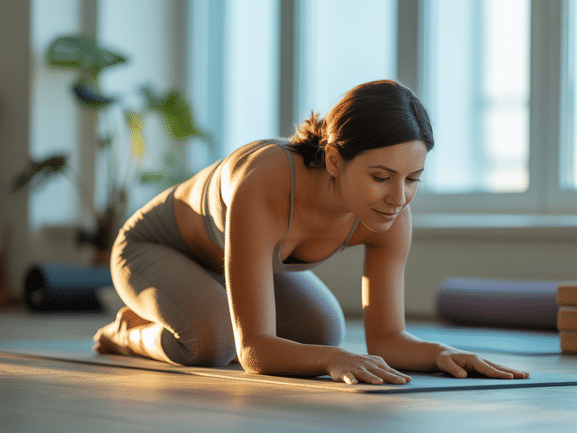
- Child’s Pose (Balasana): Rest for 3 minutes in this calming pose to gently stretch your hips, thighs, and back.
A 5-Minute Guided Mindfulness Meditation
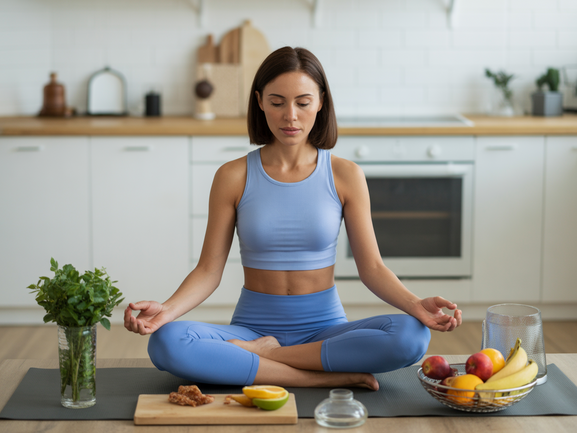
Find a quiet place to sit comfortably. Close your eyes. Focus entirely on the sensation of your breath. Notice the air moving in through your nose and out through your mouth. Your mind will inevitably wander. When it does, simply acknowledge the thought without judgment and gently guide your attention back to your breath. This act of returning your focus *is* the practice of mindfulness.
Building a Consistent Yoga and Meditation Practice
The transformative benefits of yoga and meditation are realized through consistency. Creating a sustainable routine is the most important step. Here’s how to build a practice that lasts.
Set Realistic Goals
Instead of committing to an hour every day, start with a manageable goal, like 10-15 minutes, three to five times a week. A short, consistent practice is far more beneficial than sporadic long sessions. The Vitalizen app helps you set and track these goals.
Create a Dedicated Space
Designate a small, quiet corner in your home for your practice. Having a specific spot, even if it’s just a corner of your room with a mat, signals to your brain that it’s time to focus inward. Keep it clean and inviting.
Schedule Your Practice
Treat your yoga and meditation time as an important appointment. Block it out in your calendar, whether it’s first thing in the morning to set a positive tone for your day or in the evening to unwind. For further reading on habit formation, check out resources from university wellness programs like Stanford Wellness.
Common Myths About Yoga and Meditation
Misconceptions can prevent people from exploring the benefits of yoga and meditation. Let’s debunk some of the most common myths.
Myth: You must be flexible to practice yoga.
This is the most frequent myth. In reality, saying you’re not flexible enough for yoga is like saying you’re too dirty to take a bath. Flexibility is a result of practicing yoga, not a prerequisite. A good practice meets you exactly where you are.
Myth: You have to completely clear your mind to meditate.
The goal of meditation is not to stop thinking—that’s impossible. The goal is to become an observer of your thoughts without getting carried away by them. The practice is about gently returning your focus to your anchor (like the breath) each time you notice your mind has wandered.
Myth: Yoga and meditation are religious practices.
While yoga and meditation have roots in ancient Eastern philosophies, they are not inherently religious. They are mind-body practices focused on health and well-being that can be adopted by anyone, regardless of their beliefs. Modern yoga is practiced worldwide as a form of secular wellness.
How Much Does It Cost to Implement Yoga and Meditation?
The cost of practicing yoga and meditation can vary widely, from completely free to a significant investment. It all depends on the path you choose. Here’s a breakdown of common options:
| Approach | Typical Cost (Monthly) | Main Benefits |
|---|---|---|
| At-Home Practice (DIY) | $0 | Total flexibility, no cost, builds self-discipline. |
| Wellness Apps (like Vitalizen) | $10 – $30 | Guided sessions, personalization, progress tracking, affordable. |
| Local Yoga Studio | $100 – $200+ | In-person instruction, community, dedicated space. |
For beginners, starting with a free at-home practice or an affordable app like Vitalizen is often the most sustainable and effective approach to building a lasting habit.
What Is the Vitalizen App?
While starting on your own is possible, having a guide can accelerate your progress and keep you motivated. The Vitalizen App is a comprehensive wellness platform designed to be your personal yoga and meditation companion. It offers a vast library of guided sessions, from 5-minute meditations to full-hour yoga classes, all tailored to your goals and experience level.
In essence, the app removes the guesswork from your yoga and meditation practice. It provides structure, expert instruction, and a supportive community, making it easier than ever to build a consistent and rewarding practice. It’s like having a wellness studio in your pocket.
Frequently Asked Questions (FAQ)
How often should I practice yoga and meditation?
For optimal results, consistency is more important than duration. Practicing yoga and meditation for 15-20 minutes every day is generally more effective than one long session per week. The Vitalizen App offers sessions of various lengths to easily fit into your daily schedule.
Do I need any special equipment to start?
No, you do not need any special equipment to begin. All you need is a comfortable space where you won’t be disturbed. As you progress, you might want to purchase a yoga mat for comfort and grip, but it is not essential for starting out with yoga and meditation.
What is the main benefit of using the Vitalizen App?
The main benefit is having access to structured, expert-led guidance for your yoga and meditation practice anytime, anywhere. The app personalizes your wellness journey with tailored recommendations, helps you track your progress to stay motivated, and provides the tools you need to achieve your goals faster. Discover more at Vitalizen.app.
Can I practice yoga if I’m not flexible?
Absolutely. Saying you’re not flexible enough for yoga is like saying you’re too dirty to take a bath. Flexibility is a result of practicing yoga, not a prerequisite. The best yoga and meditation practices meet you where you are.
When is the best time of day to practice?
The best time to practice yoga and meditation is whenever you can do it consistently. Some people prefer the morning to start their day with energy and focus. Others prefer the evening to unwind and de-stress. Experiment to see what works best for your body and schedule.
}
]
}
}