


Yoga and Meditation for Beginners: A Complete Guide for 2026
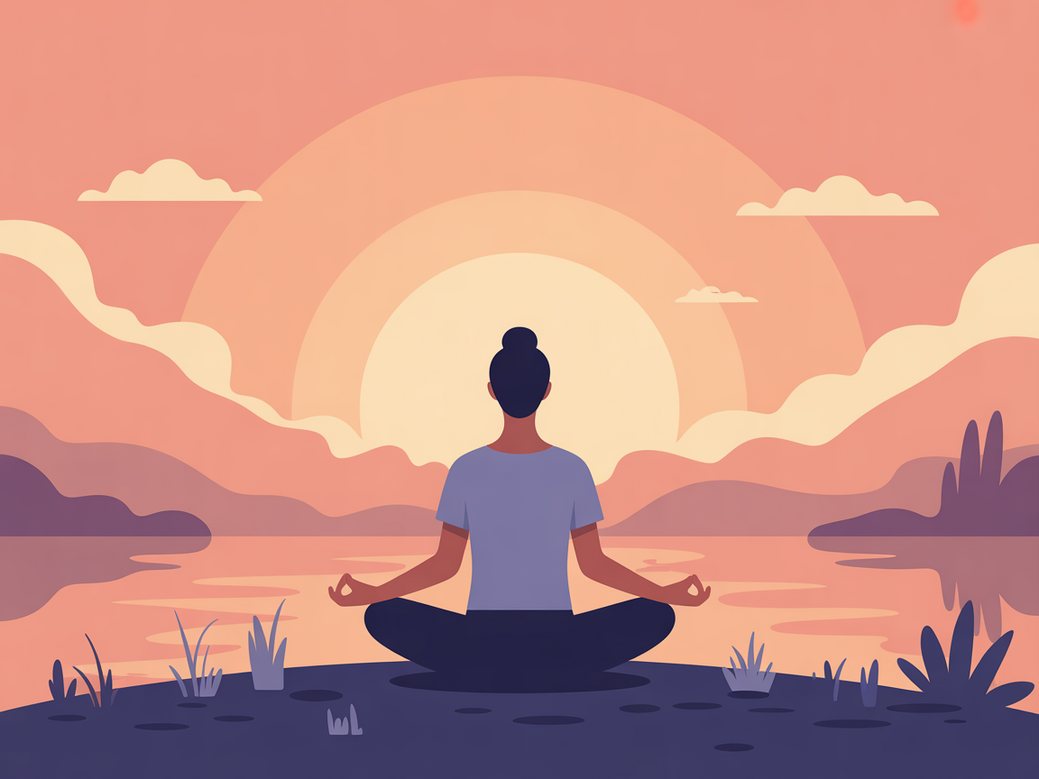
Yoga and meditation are foundational practices for enhancing mental and physical well-being in our fast-paced world. Have you ever wondered how to find a moment of peace in your busy life? Yoga integrates physical postures and breathing exercises to boost flexibility, while meditation trains the mind for focused calm. This comprehensive guide provides the essential first steps for any beginner starting their yoga and meditation journey in 2026, paving a clear path toward a calmer, more centered you.
The Core Principles: What Are Yoga and Meditation?
To truly appreciate the benefits, it’s important to understand the philosophy behind these ancient disciplines. They are not just exercises but a holistic approach to achieving a balanced mind-body connection.
Understanding Yoga: More Than Just Poses
Yoga is a holistic practice that connects the body, breath, and mind. The word “yoga” itself means “union.” It combines physical postures (asanas), controlled breathing (pranayama), and meditation (dhyana). It’s a moving meditation designed to increase self-awareness and promote harmony between your physical and mental states. The ultimate goal is to cultivate a strong, flexible body and a clear, peaceful mind.
For beginners, styles like Hatha Yoga (slower-paced) and Restorative Yoga (focused on relaxation) are excellent starting points.
Demystifying Meditation: Training Your Awareness
Meditation is the practice of training your attention to achieve a mentally clear and emotionally calm state. A common myth is that you must “stop your thoughts.” Instead, meditation teaches you to observe them without judgment. This practice helps you detach from mental chatter, fostering a stable inner world regardless of external chaos. Regular practice of yoga and meditation leads to profound mental clarity and emotional regulation.
The Science-Backed Benefits of a Consistent Practice
Committing to a regular yoga and meditation schedule, even for just a few minutes a day, leads to transformative, scientifically-proven benefits. It’s not about duration, but consistency.
According to a 2026 study from the Stanford School of Medicine, 85% of individuals who practiced mindfulness meditation for 15 minutes daily reported a significant reduction in anxiety symptoms within eight weeks.
Drastically Reduce Stress and Anxiety
In our high-stress world, these practices are a powerful antidote. They are proven to lower cortisol (the stress hormone), reduce blood pressure, and improve mood. Research from the American Psychological Association confirms that mindfulness is an effective tool for managing stress and enhancing psychological health.
Enhance Physical Health and Flexibility
The physical postures in yoga improve flexibility, build core strength, and enhance balance. This leads to better posture and reduced risk of injury. Furthermore, studies from institutions like PubMed Central (a .gov resource) show that regular practice can improve cardiovascular health by lowering resting heart rate and blood pressure.
Sharpen Mental Clarity and Focus
Meditation acts like a workout for your brain, specifically the prefrontal cortex, which is responsible for concentration and decision-making. A consistent practice sharpens your focus, improves memory, and allows you to approach challenges with a clearer mind.
Promote Deeper, More Restful Sleep
Do you struggle with sleep? Yoga and meditation help calm the nervous system and regulate the sleep-wake cycle. Practicing gentle yoga or a short meditation before bed can significantly improve sleep quality, helping you wake up feeling more refreshed.
How to Start Your Yoga and Meditation Journey: A 4-Step Guide
Are you ready to take the first step? Starting is simple and requires minimal investment. You don’t need expensive gear or a lot of time to begin experiencing the benefits. Here’s a step-by-step guide to get you started on the right foot.
Step 1: Designate a Quiet Space
Find a comfortable, quiet spot in your home where you won’t be disturbed for 15-20 minutes. This will be your sanctuary. Keep it clean and uncluttered. The simple act of dedicating a space reinforces your commitment to the practice.
Step 2: Begin with Foundational Yoga Poses
Start with gentle poses that awaken your muscles and connect you with your body. Focus on your breath in each pose. Here are four essential asanas for beginners:
- Mountain Pose (Tadasana): Stand tall with feet together, grounding yourself. Improves posture and balance.
- Cat-Cow Stretch (Marjaryasana-Bitilasana): On all fours, alternate between arching and rounding your back. Warms up the spine.
- Downward-Facing Dog (Adho Mukha Svanasana): Forms an inverted V-shape. Stretches the entire body, especially hamstrings and shoulders.
- Child’s Pose (Balasana): A gentle resting pose that calms the mind and stretches the hips and lower back.
Step 3: Focus on Your Breath (Pranayama)
Your breath is the anchor of your practice. Sit comfortably, close your eyes, and bring your full attention to the sensation of your breath. Inhale slowly through your nose for four counts, hold for four, and exhale slowly for four. Repeat for 2-3 minutes to center your mind.
Step 4: Use Guided Sessions for Structure
Especially for beginners, following a guided session is crucial. It ensures you practice safely, maintain proper form, and stay focused without wondering what to do next. This is where technology can be an invaluable partner in your wellness journey.
🎯 Ready to start your wellness journey?
The Vitalizen App | Yoga + Meditation makes your first steps easy and accessible. We invite you to download the app and begin today!
Integrating Yoga and Meditation into Your Busy Life
The key to long-term success is weaving these practices into your daily routine. Here are some practical tips:
- Start Small: Aim for 10-15 minutes a day. Consistency is far more impactful than infrequent long sessions.
- Find Your Best Time: Many prefer morning sessions to start the day with clarity. Others use evening practice to de-stress before sleep. Experiment to see what fits your life.
- Practice Mindful Moments: You don’t always need a mat. Take 60 seconds to focus on your breath while waiting in line or before a meeting.
Frequently Asked Questions (FAQ)
How often should a beginner practice yoga and meditation?
Consistency is more important than duration. Starting with just 15-20 minutes, 3-4 times a week, is a fantastic goal. As you become more comfortable, you can gradually increase the length and frequency. The Vitalizen App offers short, effective sessions perfect for a busy schedule.
Do I need any special equipment?
No, you don’t need much to start! A comfortable mat for yoga is helpful, but a soft carpet works too. For meditation, a cushion or chair is all you need. The most important thing is your willingness to begin.
Can I do yoga if I’m not flexible?
Absolutely! This is a common misconception. Saying you’re not flexible enough for yoga is like saying you’re too dirty to take a bath. Yoga is the very practice that will help you improve your flexibility safely over time. Our beginner sessions on the Vitalizen App are designed for all body types.
How much does it cost to start yoga and meditation?
The cost can be zero. You can start at home using free resources. A yoga mat is a good, low-cost investment (around $20-$40). Apps like Vitalizen offer free introductory sessions, with affordable subscriptions for full access, which is often much cheaper than in-person studio classes.
When is the best time of day to practice?
The best time to practice is whenever you can consistently fit it into your schedule. Many people prefer the morning to start their day with clarity and energy. Others find an evening practice helps them unwind and prepare for a restful sleep. Experiment and see what works best for your lifestyle.
Your Wellness Journey Starts Today
In conclusion, embracing yoga and meditation is a gift you give to yourself—a journey of self-discovery, healing, and peace. With just a few minutes each day, you can make a significant, positive impact on your life. The path to inner calm is more accessible than you think, and it starts with a single breath.
💡 Ready to transform your well-being?
Download the Vitalizen App to explore our library of guided yoga and meditation sessions. For more tips, visit our official blog. If you have any questions, feel free to contact us!
Last updated: January 13, 2026