Yoga and Meditation: Your Comprehensive Guide to a Healthier Life in 2026
In the relentless pace of modern life, finding moments of peace and genuine connection with ourselves can feel like an insurmountable challenge. The constant digital noise, work pressures, and daily obligations contribute to rising stress levels, impacting both mental and physical health. This is where the ancient, time-tested practices of yoga and meditation offer a powerful sanctuary. Far from being mere trends, they are profound tools for transforming your well-being from the inside out.
This guide delves deep into the world of yoga and meditation, exploring their core principles, science-backed benefits, and practical steps to seamlessly integrate them into your life. Whether you are a complete beginner or looking to deepen your existing practice, you’ll find the insights needed to start your journey toward a more balanced, resilient, and healthier you, with support from innovative tools like Vitalizen.app | Yoga e meditação.
The Core Principles of Yoga: More Than Just Poses
Originating in ancient India over 5,000 years ago, yoga is a holistic discipline designed to unite the mind, body, and spirit. The word “yoga” itself translates to “union.” While modern Western culture often highlights the physical postures (asanas), this is just one of the eight limbs of yoga. The practice is a comprehensive system for achieving a balanced and purposeful life.
- Asanas (Postures): These are the physical poses that help build strength, increase flexibility, and release physical tension. They prepare the body for stillness.
- Pranayama (Breath Control): This involves various breathing techniques to regulate the flow of vital life force energy (prana). Proper breathing is key to calming the nervous system.
- Dhyana (Meditation): The practice of deep concentration, which is a key component of yoga, leading to a state of profound awareness and inner peace.
- Yamas and Niyamas (Ethical Principles): These are moral guidelines for living a conscious and virtuous life, governing our relationships with others and ourselves.
The ultimate goal of yoga and meditation is to foster a powerful mind-body connection, enabling you to navigate life’s challenges with greater ease and composure.
Understanding Meditation: Training the Mind for Clarity
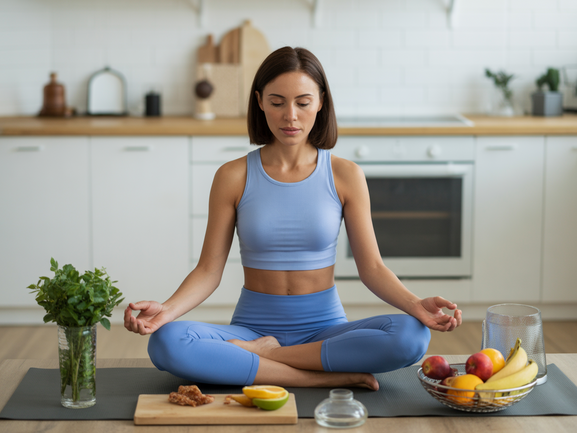
Meditation is the heart of the yoga practice, but it is also a powerful standalone discipline for training attention and awareness. The objective is to achieve a mentally clear and emotionally calm state by quieting the incessant stream of thoughts that often cause stress. Apps like O que é Vitalizen.app? offer guided sessions that make this mental training accessible to everyone.
There are numerous styles of meditation, each with a unique approach:
- Mindfulness Meditation: Involves paying attention to your thoughts as they pass without judgment and bringing your focus back to your breath.
- Transcendental Meditation (TM): A mantra-based practice where a specific mantra is silently repeated to settle the mind into a state of deep rest.
- Vipassanā Meditation: An ancient Indian technique that involves observing your inner world to see the true nature of reality.
- Walking Meditation: A form of mindfulness where you focus on the physical sensation of your feet on the ground to stay present.

The Science-Backed Benefits of Yoga and Meditation
The positive effects of yoga and meditation are not just anecdotal; they are supported by a growing body of scientific research. Consistent practice can lead to significant improvements in nearly every aspect of your health.
According to a 2026 report from the Yale School of Medicine, consistent mindfulness practices can increase gray matter density in the brain regions linked to learning, memory, and emotional regulation.
Physical Benefits:
- Increased Flexibility and Strength: Yoga poses work all muscle groups, improving tone and endurance.
- Improved Cardiovascular Health: Studies from the National Institutes of Health (NIH) show that regular practice can lower blood pressure and reduce heart rate.
- Better Sleep Quality: By calming the nervous system, yoga and meditation can combat insomnia and improve sleep patterns.
Mental and Emotional Benefits:
- Significant Stress Reduction: Both practices are proven to lower cortisol, the body’s primary stress hormone.
- Reduced Anxiety and Depression: Mindfulness helps interrupt the cycle of negative thoughts, as noted by the American Psychological Association.
- Enhanced Focus and Concentration: Meditation trains your brain to stay focused, which translates to improved productivity in daily life.
How to Start Your Yoga and Meditation Practice
Starting your journey with yoga and meditation is simpler than you might think. The key is to begin with a curious and non-judgmental mindset. You don’t need expensive gear or extreme flexibility—just a willingness to show up for yourself.
A Beginner’s Guide to Starting Yoga
You don’t need to be flexible to start yoga; yoga is what makes you flexible! Begin with these simple poses:
- Mountain Pose (Tadasana): Stand tall with your feet together, grounding yourself and aligning your posture.
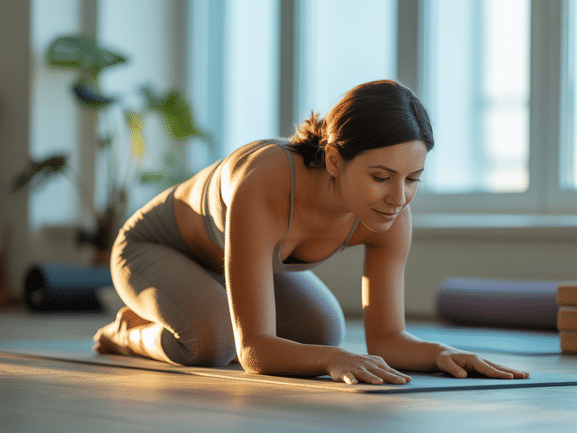
- Cat-Cow Stretch (Marjaryasana-Bitilasana): On your hands and knees, gently arch and round your spine to warm it up.
- Downward-Facing Dog (Adho Mukha Svanasana): An all-over stretch that energizes the body.
- Child’s Pose (Balasana): A gentle resting pose to release tension in the back and hips.
A Simple 5-Step Guide to Your First Meditation Session
- Find a Quiet Space: Choose a comfortable spot where you won’t be disturbed for a few minutes.
- Set a Timer: Start with just 3-5 minutes. Consistency is far more important than duration.
- Focus on Your Breath: Close your eyes and bring your full attention to the sensation of your breath entering and leaving your body.
- Acknowledge Your Thoughts: Your mind will inevitably wander. When it does, simply notice the thought without judgment and gently guide your focus back to your breath.
- End with Intention: When the timer goes off, take a moment to notice how you feel—calmer, clearer, more centered—before continuing with your day.
💡 Tip: Ready to begin your transformation? Start your wellness journey now with a guided session!
2026 Trends: The Evolution of Yoga and Meditation
As awareness of well-being grows, the practices of yoga and meditation continue to evolve. While traditional styles remain foundational, new variations are emerging in 2026 to meet diverse needs and preferences.

Comparison of Modern Yoga Styles
| Feature | Aerial Yoga | SUP Yoga | Chroma Yoga |
|---|---|---|---|
| Environment | Indoor with hammock | Outdoor on water | Indoor studio |
| Main Focus | Decompression, Flexibility | Balance, Core Strength | Sensory Experience |
| Difficulty | Beginner to Advanced | Intermediate | All Levels |
Frequently Asked Questions (FAQ)
What is the main benefit of yoga?
The main benefit of yoga is the holistic integration of body, mind, and spirit. While it significantly improves physical flexibility and strength, its profound impact lies in promoting mental peace, reducing stress, and fostering emotional balance for a healthier, more centered life.
How can meditation help with anxiety?
Meditation helps manage anxiety by training the mind to focus on the present moment. This practice interrupts the cycle of negative thoughts and worries. It also activates the parasympathetic nervous system, which induces a state of calm and reduces physiological symptoms of anxiety.
How often should I practice yoga to see results?
For noticeable results, practicing yoga 2-3 times per week is a great start. Even 15-20 minutes per session can lead to improvements in flexibility, strength, and stress levels. Consistency is more important than the length of each session.
Do I need to be flexible to start yoga?
No, you do not need to be flexible to start yoga. In fact, saying you’re not flexible enough for yoga is like saying you’re too dirty to take a shower. Yoga is the practice that helps you *build* flexibility and mobility safely over time.
Conclusion: Your Journey to a Healthier Life Starts Now
Ultimately, the path of yoga and meditation is a deeply personal one. There is no right or wrong way to practice—only the way that resonates with you and brings you closer to your center. By taking the first step, you are making a profound investment in your long-term health, happiness, and resilience. The journey of a thousand miles begins with a single breath.
🎯 Ready to dive deeper? Explore our extensive library of articles and guidance on yoga and meditation or contact us with your questions!