

Yoga and Meditation: Your Definitive Guide to Modern Wellness in 2026
In our fast-paced, hyper-connected world, the search for genuine tranquility has become more critical than ever. Yoga and meditation, ancient practices with profound modern relevance, offer a powerful solution to combat stress and enhance overall well-being. Yoga unites physical postures (asanas) with controlled breathing (pranayama) to harmonize the body and mind. Meditation complements this by training attention and awareness, cultivating a state of mental clarity and emotional calm. Together, they form a holistic path to a balanced and resilient life.
The digital age bombards us with constant stimuli, leading to mental fatigue and burnout. This is where the practice of yoga and meditation serves as a vital sanctuary. It helps you build resilience, manage stress, and foster a deep sense of inner peace. At Vitalizen App | Yoga + Meditation, we are dedicated to making these transformative tools accessible, guiding you on your personal journey toward a healthier, more centered existence.
The Science-Backed Benefits of Yoga and Meditation
Adopting a consistent yoga and meditation routine yields significant benefits that permeate every aspect of your life. The synergy between these disciplines amplifies their positive effects, creating a comprehensive wellness strategy. This isn’t about a quick fix; it’s about fostering long-term vitality by nurturing your mind, body, and spirit. The positive impact of yoga and meditation is supported by a growing body of scientific research.
Physical Transformation: More Than Just Flexibility
While improved flexibility is a well-known benefit, the physical rewards of yoga and meditation extend much further, contributing to robust health and longevity.
- Enhanced Strength and Balance: Yoga postures systematically strengthen major muscle groups, improving core stability and reducing the risk of injury.
- Improved Cardiovascular Health: Peer-reviewed studies, like those published by the American Heart Association, show that regular practice can help lower blood pressure and improve circulation.
- Deeper, More Restful Sleep: By calming the central nervous system, the combined practice of yoga and meditation can effectively combat insomnia and improve overall sleep quality.
- Natural Pain Reduction: Many find relief from chronic conditions like lower back pain and arthritis, as the practice reduces inflammation and improves body awareness.
Mental Fortitude: Rewiring Your Brain for Calm
The most profound changes often occur within the mind. By anchoring your focus in the present, yoga and meditation quiet the mental chatter that fuels anxiety. This cultivates mindfulness, a state of non-judgmental awareness essential for emotional regulation and resilience.
According to a 2026 report from the Global Wellness Institute, 85% of adults who practice meditation at least three times a week report a significant decrease in work-related stress and a 50% increase in overall life satisfaction.
With tools like the Vitalizen App, you can develop the skills to navigate life’s challenges with a calmer, more centered perspective. The practice of yoga and meditation helps you build a stronger mind-body connection.
Getting Started: Your First Steps into Practice
Embarking on your yoga and meditation journey is a process of gentle exploration. Yoga prepares the body for the stillness required for meditation by releasing physical tension, while pranayama regulates the flow of life-force energy, or prana. This creates the ideal state for the mind to settle. Meditation then trains the mind to shift from distraction to focused calm.
A Simple 5-Minute Practice for Beginners
You can begin right now with a few simple steps. The goal is not perfection but consistent, gentle effort. Ready to feel the difference? Start your wellness journey now.
- Find a Quiet Space: Choose a comfortable spot where you won’t be interrupted for 10-15 minutes. This helps signal to your brain that it’s time to focus inward.
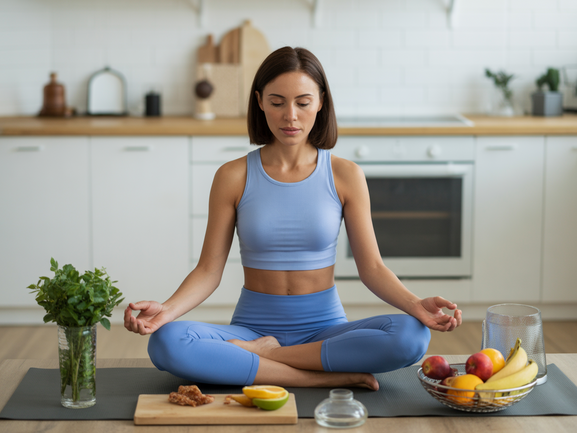
- Sit Comfortably: Sit on a cushion or a chair with your back straight but not rigid. Allow your hands to rest gently on your lap.
- Focus on Your Breath: Close your eyes and bring your attention to the natural rhythm of your breath. Simply observe it without trying to change it.
- Gently Guide Your Mind: Your mind will inevitably wander. When it does, gently and without judgment, guide your focus back to your breath. This is the core of the practice.
- Start Small: Begin with just five minutes a day. Consistency is more important than duration. You can gradually increase the time as you become more comfortable.
Creating Your Personal Sanctuary
Designating a specific area for your practice can significantly enhance your experience. It doesn’t need to be large. A quiet corner of a room can become your sanctuary. Keep it clean and uncluttered. You might add a candle, a plant, or a soft blanket to make the space feel calming and inviting. This dedicated space reinforces your commitment to the daily ritual of yoga and meditation.
Navigating Your Journey: Styles and Techniques
As you delve deeper into yoga and meditation, you’ll discover a rich variety of styles and techniques. Exploring these options allows you to tailor your practice to your specific needs, whether you’re seeking a physical workout, mental clarity, or deep relaxation. Finding the right fit is key to building a sustainable and enjoyable habit.
Choosing the Right Yoga Style for You
Different yoga styles offer different benefits. The table below compares popular options for beginners, helping you make an informed choice as you start your journey with yoga and meditation.
| Style | Pace | Primary Focus | Ideal For |
|---|---|---|---|
| Hatha | Slow | Basic postures and alignment | Absolute beginners |
| Vinyasa | Moderate to Fast | Flowing movement with breath | Those seeking a dynamic workout |
| Restorative | Very Slow | Deep relaxation and stress relief | Anyone needing to de-stress |
Overcoming Common Hurdles in Your Practice
It’s normal to face challenges when starting something new. The key is to approach them with patience and self-compassion. Many beginners feel they “can’t quiet the mind,” but the goal of meditation isn’t to have an empty mind; it’s to notice when it wanders and gently guide it back. Another common hurdle is finding time. Remember, even five minutes of focused practice is more beneficial than none. Integrate it into your schedule, perhaps right after waking up or before bed, to build a lasting habit.
Why Yoga and Meditation Are Essential in 2026
In an era defined by information overload, the need for mental disconnection has never been greater. Yoga and meditation provide a structured antidote to digital burnout, allowing you to unplug and recharge. These practices are no longer alternative but essential components of a proactive wellness strategy, a trend confirmed by leading health institutions like the National Center for Complementary and Integrative Health.
🎯 Ready to transform your well-being? The journey of a thousand miles begins with a single breath. Start your practice today and discover a more balanced you.
What Is the Real Cost of Yoga and Meditation?
The financial barrier to starting yoga and meditation is virtually nonexistent. The most valuable asset you will contribute is your time and commitment. Many high-quality resources are available for free, from guided sessions on apps to articles and videos online. You can start on a simple towel or carpeted floor.As your practice deepens, you may choose to invest in a mat or join a class, but these are not prerequisites. The Vitalizen App, for instance, offers a range of guided sessions for free, providing expert instruction without the cost of a studio. Explore our articles and tips on yoga and meditation to learn more.
Frequently Asked Questions
How often should I practice yoga and meditation?
Consistency is more important than duration. Practicing for 15-20 minutes every day will yield far greater benefits than a single 90-minute session once a week. The key is to build a sustainable routine that fits seamlessly into your life. Start small and build from there.
Do I need any special equipment to start?
No special equipment is required. A yoga mat is helpful for comfort and grip, but not essential for beginners. The most important requirement is a quiet, comfortable space where you can practice without being disturbed. The Vitalizen App provides all the guidance you need, directly on your phone.
Can yoga and meditation help with weight loss?
While not primarily a weight-loss tool, these practices can be powerful allies. Yoga, especially dynamic styles like Vinyasa, burns calories. More importantly, meditation and mindfulness reduce stress-related eating and increase awareness of your body’s hunger cues, promoting a healthier relationship with food and supporting sustainable weight management.
Where is the best place to practice?
You can practice anywhere you feel comfortable and can minimize distractions. This could be a dedicated corner in your living room, your bedroom, or even a quiet spot outdoors. The ideal space is clean, quiet, and calming, allowing you to focus inward. Consistency in your location can also help signal to your brain that it’s time to practice.
When is the best time of day to practice?
The best time to practice is whenever you can do it consistently. Many people prefer the morning to start their day with clarity and energy. Others find an evening practice helps them unwind and prepare for a restful night’s sleep. Experiment to find what works best for your schedule and energy levels.
Join Our Wellness Community
Your journey is unique, and sharing your experience can inspire others. What are your biggest questions about starting a yoga and meditation practice? Share your thoughts in the comments below!
💡 Tip: For specific questions or personalized guidance, feel free to contact us. We would love to support you.