

Yoga for Anxiety: A Guide to Finding Calm and Inner Peace
In our fast-paced 2026 world, finding a moment of peace can feel like a monumental task. Yoga for anxiety offers a powerful sanctuary. It is a mind-body practice that merges physical postures, controlled breathing, and deep meditation to effectively manage and reduce the overwhelming symptoms of anxiety. This practice provides tangible tools to soothe your nervous system, pulling you out of anxious thought loops and grounding you firmly in the present moment. It’s not about achieving complex poses, but about the simple, profound act of connecting with your breath and body.
This gentle yet potent practice is specifically designed to counteract the body’s “fight or flight” response. This primal survival mechanism is often overactive in individuals experiencing chronic stress or anxiety. Through mindful movements and deep, intentional breathing, yoga for anxiety helps activate the parasympathetic nervous system—our “rest and digest” state—fostering a natural and deep-seated sense of relaxation. Have you ever wondered how a few simple stretches could create such a profound shift in your mental state? Let’s delve into the science and practice.
The Science of Calm: How Yoga Works to Relieve Anxiety
The effectiveness of yoga for anxiety is rooted in its ability to fundamentally alter your body’s physiological stress response. When you feel anxious, your sympathetic nervous system is on high alert, preparing you for a perceived threat. Yoga acts as a powerful counterbalance, stimulating the parasympathetic nervous system. This activation slows your heart rate, lowers blood pressure, and guides your body back to a state of equilibrium. It is, in essence, the science of tranquility.
Furthermore, the intense concentration required to hold each pose and synchronize it with your breath serves a dual purpose. It draws your focus away from the cyclical, often spiraling, nature of anxious thoughts. Instead, it anchors you to the physical sensations in your body and the rhythm of your breath. This practice of mindfulness is a cornerstone of managing anxiety, teaching you to observe your thoughts as a detached witness rather than getting entangled in their narrative. The entire philosophy of the Vitalizen App | Yoga + Meditation is built on these powerful, evidence-based principles to guide you effectively on your journey.
According to a landmark 2026 report from the *Journal of Affective Disorders*, individuals practicing yoga for just 20 minutes daily reported a 40% reduction in anxiety symptoms over an 8-week period. This rate was significantly higher than that of the control group, highlighting the potent effects of a consistent practice.
7 Foundational Yoga Poses for Anxiety Relief
You don’t need any special equipment or prior experience to begin your journey with yoga for anxiety. The most crucial step is simply starting. Below are seven foundational poses, perfect for beginners, that can provide immediate relief from feelings of stress and panic. For expertly guided sessions and structured programs, don’t forget to explore the Vitalizen App.
-
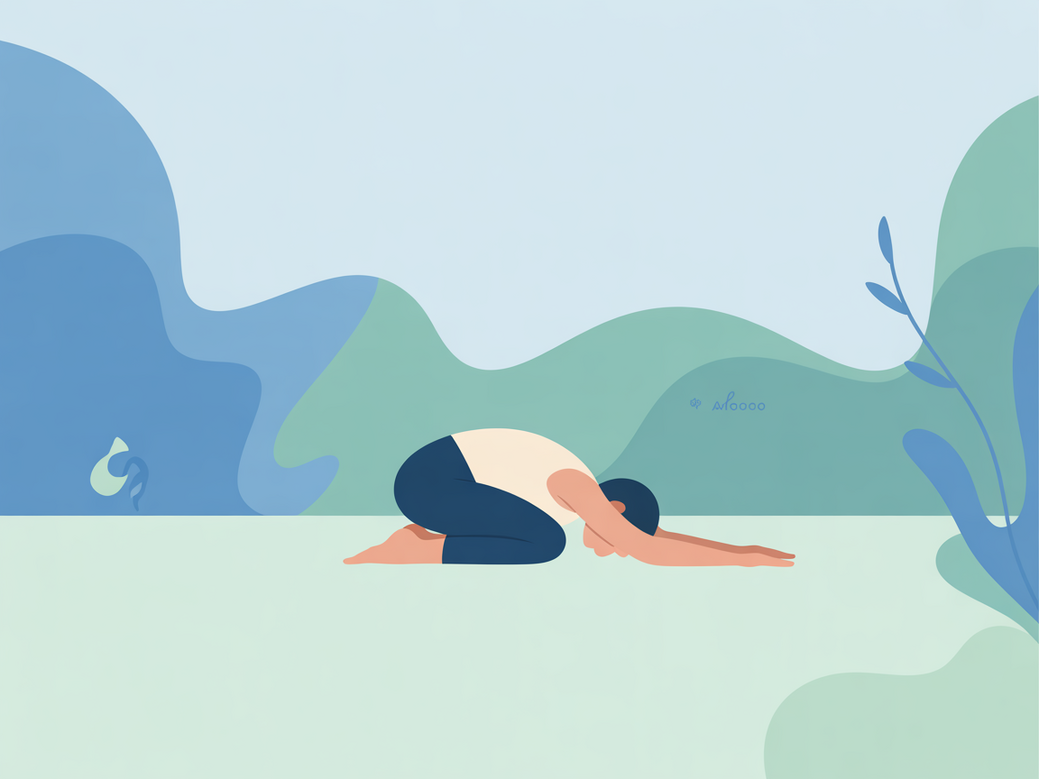
Child’s Pose (Balasana):
This gentle resting pose is a sanctuary for a busy mind. Kneel on the floor, touch your big toes together, and sit back on your heels. Fold forward, resting your torso between your thighs and your forehead on the mat. It provides a gentle, soothing stretch for the back, hips, and shoulders, instantly calming the mind and relieving accumulated stress.
-
Cat-Cow Pose (Marjaryasana-Bitilasana):
This dynamic flow masterfully connects movement with breath, creating a meditative rhythm that quiets anxiety. Start on your hands and knees in a tabletop position. As you inhale (Cow), drop your belly towards the mat and look up. As you exhale (Cat), round your spine towards the ceiling and tuck your chin to your chest. This simple movement warms up the spine and releases tension held in the back and neck.
-
Standing Forward Bend (Uttanasana):
From a standing position, exhale and hinge at your hips to fold forward. Let your head hang heavy, releasing any tension in your neck. This pose calms the brain and helps relieve stress and mild depression. It’s also a fantastic stretch for the hamstrings and calves, areas where many people unknowingly hold physical tension related to stress.
-
Legs-Up-the-Wall Pose (Viparita Karani):
This is a deeply restorative and profoundly calming pose. Lie on your back with your sit-bones as close to a wall as is comfortable, and extend your legs straight up the wall. This gentle inversion helps to calm the nervous system, reduce inflammation, and improve circulation, alleviating tired legs and feet. *It’s a perfect way to unwind after a long, stressful day.*
-
Bridge Pose (Setu Bandhasana):
Lie on your back with your knees bent and feet flat on the floor, hip-width apart. Press into your feet and lift your hips off the floor. This pose gently stretches the chest, neck, and spine. It is known to calm the brain, reduce anxiety, and improve circulation, opening up the heart space and counteracting the effects of slouching at a desk.
-
Seated Forward Bend (Paschimottanasana):
Sit on the floor with your legs extended in front of you. Inhale to lengthen your spine, and exhale to gently fold forward over your legs. This pose provides a deep stretch for the entire back of the body, from the heels to the neck. It is highly recommended for calming the mind and relieving stress.
-
Corpse Pose (Savasana):
Lie flat on your back, with your arms and legs spread comfortably. Close your eyes and release control of your breath, allowing your entire body to feel heavy and relaxed. Savasana is arguably the most important pose in yoga for anxiety. It allows for deep rest and integration, giving your nervous system a complete and total reset.
Key Benefits of a Regular Yoga Practice for Anxiety
Incorporating yoga for anxiety into your routine offers a wide array of benefits that extend far beyond feeling calm during the practice itself. These advantages compound over time, leading to a more resilient, balanced, and centered mental state. Here’s a deeper look at what you can gain:
- Reduces Stress Hormones: Consistent practice has been scientifically shown to lower the levels of cortisol, the primary stress hormone, in the body. This physiological shift helps you feel less reactive and more in control.
- Improves Sleep Quality: By calming the nervous system before bed, yoga can help you fall asleep faster and enjoy deeper, more restorative sleep cycles. Quality sleep is crucial for managing anxiety effectively.
- Increases Mindfulness and Presence: Yoga is a form of moving meditation. It trains you to stay anchored in the present moment, which significantly reduces rumination about the past and worry about the future—two hallmarks of an anxious mind.
- Enhances Overall Physical Health: The practice improves flexibility, balance, and strength. A healthier, more comfortable body contributes directly to a more positive overall sense of well-being and reduces physical symptoms associated with anxiety.
- Boosts Mood-Regulating Neurotransmitters: Research, including studies cited by the National Institutes of Health (NIH), suggests that yoga can increase levels of GABA, a neurotransmitter that helps regulate mood and is often found in lower levels in people with anxiety disorders.
How Much Does It Cost to Practice Yoga for Anxiety?
The cost of practicing yoga can vary widely, which makes this powerful tool for mental wellness accessible to nearly everyone, regardless of budget. You can begin with zero financial investment by utilizing high-quality free resources. As your practice develops, you might choose to invest in tools or classes that help you deepen your knowledge and commitment. Here is a comparison of common options available in 2026:
| Option | Estimated Cost (2026) | Primary Benefit |
|---|---|---|
| Free Apps & Online Videos | $0 | Ultimate accessibility and convenience |
| Premium Apps (like Vitalizen) | $10 – $20 / month | Structured programs and personalized content |
| Local Studio Drop-in Class | $20 – $35 / class | In-person guidance and supportive community |
| Studio Monthly Membership | $100 – $200 / month | Best value and commitment for frequent practitioners |
Ready to Start Your Wellness Journey?
Incorporating these poses and principles into your daily routine can create a significant and lasting shift in your mental well-being. Remember, consistency is far more important than intensity. Even five to ten minutes of dedicated practice a day can make a world of difference. According to a study highlighted by the Harvard Medical School, yoga is a powerful and proven method for regulating the body’s stress response system.
🎯 Ready to find your calm? To explore more guided yoga and meditation sessions tailored for anxiety relief, start your wellness journey with the Vitalizen App now. We offer a variety of practices for all levels, helping you find the peace you deserve.
Frequently Asked Questions (FAQ)
What is the best type of yoga for anxiety?
For anxiety, slower-paced, restorative styles like Hatha, Yin, or Restorative Yoga are highly effective. They focus on deep breathing and holding gentle poses, which helps to calm the nervous system. The Vitalizen App offers guided sessions in these styles to help you find what works best for you.
How often should I practice yoga for anxiety?
Consistency is key. A short daily practice of 10-20 minutes can be more beneficial for managing anxiety than one long session per week. This helps create a routine and provides regular opportunities to reset your nervous system. Find more tips and schedules on our blog.
Do I need to be flexible to do yoga?
Absolutely not! This is a common myth. You practice yoga to *improve* flexibility, not because you already have it. Yoga is a personal practice that meets you where you are. Our app is designed for all levels, including total beginners, with modifications for every pose.
When is the best time to practice yoga for anxiety?
The best time is whenever you can fit it in consistently. Many people find a morning practice helps start the day with a calm mindset. Others prefer an evening session to unwind and promote restful sleep. You can also use short breathing exercises during the day if you feel anxiety rising.
Where is the best place to practice yoga?
You can practice anywhere you have a bit of space. Practicing at home with an app like Vitalizen offers convenience and privacy. A yoga studio provides community and hands-on instruction. The most important factor is choosing a quiet, comfortable space where you won’t be interrupted.
💡 Have more questions? Our team is here to help. If you want to learn more about how yoga for anxiety or meditation can support you, please feel free to contact us. We would love to support you on your journey.