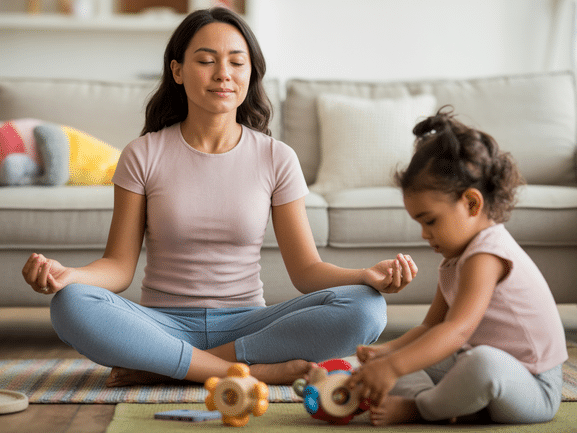


Yoga for Stress Relief: A Guide to Calm Your Mind in 2026

In the hyper-connected world of 2026, stress has become a constant companion for many. The relentless pace of modern life can leave you feeling overwhelmed, anxious, and disconnected. But what if you could access a proven method for reclaiming your inner peace? This is where the ancient practice of yoga comes in, offering a powerful sanctuary for your mind and body.
This comprehensive guide will explore how yoga and meditation serve as effective tools for stress relief. We’ll delve into the science behind these practices, provide actionable steps for beginners, and show you how to build a routine that fosters lasting mental wellness. With support from resources like the Vitalizen App, you can embark on a transformative journey toward a calmer, more balanced life.
The Modern Stress Epidemic: Why We Need a Solution
Before we explore the solution, it’s crucial to understand the problem. Chronic stress isn’t just a feeling; it’s a physiological response. When you perceive a threat, your body’s sympathetic nervous system triggers the release of hormones like cortisol and adrenaline. This “fight-or-flight” response was essential for our ancestors, but today, it’s activated by work deadlines, traffic jams, and digital notifications.
Prolonged exposure to these hormones can lead to serious health issues, including anxiety, depression, heart disease, and a weakened immune system. The key to managing stress is to activate the parasympathetic nervous system, also known as the “rest-and-digest” state. This is precisely where yoga excels.
What Is Yoga? More Than Just Physical Poses
Many people associate yoga with complex postures and extreme flexibility, but that’s only one piece of the puzzle. Yoga is a holistic discipline that unites the mind, body, and spirit. Its core components work together to promote relaxation and mindfulness.
- Asanas (Physical Postures): These are the movements and poses commonly associated with yoga. They are designed to release physical tension, build strength, and improve body awareness.
- Pranayama (Breathing Techniques): Prana means “life force energy,” and yama means “control.” Pranayama involves consciously regulating your breath to influence your mental and emotional state. Slow, deep breathing is one of the fastest ways to calm your nervous system.
- Dhyana (Meditation): This is the practice of focused concentration, which often concludes a yoga session. It trains the mind to be present, reducing the tendency to dwell on past regrets or future worries.

The Science of Serenity: How Yoga Reduces Stress
The benefits of yoga for stress relief are backed by extensive scientific research. When you practice yoga, you initiate a cascade of positive changes in your body and brain.
A study from Boston University School of Medicine found that yoga practice increases levels of gamma-aminobutyric acid (GABA), a neurotransmitter that helps calm the nervous system. Low GABA levels are linked to anxiety and mood disorders. Furthermore, consistent yoga practice has been shown to lower cortisol levels, the body’s primary stress hormone.
The physical act of moving through asanas releases muscle tension, while the focus on breath interrupts anxious thought loops. This combination makes yoga a uniquely effective practice for comprehensive stress relief.
Getting Started: Your First Yoga for Stress Relief Session
Starting a yoga practice is accessible to everyone, regardless of age or fitness level. The key is to begin gently and listen to your body. Here’s a simple plan to get you started.
1. Choose a Gentle Style
For stress relief, it’s best to start with a slower-paced style. Look for classes or guided sessions labeled as:
- Hatha Yoga: A foundational style that focuses on basic postures and breathing.
- Restorative Yoga: Uses props like pillows and blankets to support the body in deeply relaxing poses.
- Yin Yoga: Involves holding passive stretches for longer periods to release tension in the connective tissues.
2. Create a Peaceful Space
You don’t need a special studio. Find a quiet corner in your home where you can practice without interruptions. Dim the lights, put on some calming music, and make the space feel like a personal sanctuary. All you truly need is enough room to stretch comfortably.
3. A 10-Minute Beginner Sequence for Instant Calm
Try this simple sequence to release tension and quiet your mind. Hold each pose for 5-8 deep breaths.
- Child’s Pose (Balasana): Kneel on the floor, sit back on your heels, and fold forward, resting your forehead on the mat. This pose is incredibly grounding.
- Cat-Cow Stretch (Marjaryasana-Bitilasana): Start on your hands and knees. Inhale as you drop your belly and look up (Cow), and exhale as you round your spine and tuck your chin (Cat).
- Downward-Facing Dog (Adho Mukha Svanasana): From hands and knees, lift your hips up and back to form an inverted V-shape. Gently pedal your feet to stretch your hamstrings.
- Legs-Up-The-Wall Pose (Viparita Karani): Lie on your back and extend your legs up a wall. This is one of the most restorative poses in yoga.
- Corpse Pose (Savasana): Lie flat on your back, letting your arms and legs fall open. Close your eyes and focus on your breath for a few minutes.
💡 Ready to Start Your Practice?
The Vitalizen App offers guided sessions for all levels, including beginner-friendly yoga for stress relief. Let our expert instructors guide you every step of the way.
The Power of Meditation: Training Your Mind for Peace
Meditation is the art of cultivating awareness and achieving a state of deep mental calm. While often practiced with yoga, it is a powerful tool on its own. The goal isn’t to stop your thoughts, but to observe them without judgment, which reduces their power over you.
According to the National Institute of Mental Health, mindfulness practices like meditation are highly effective for managing stress. A landmark study published in a prominent medical journal also highlighted that consistent meditation can significantly rewire the brain’s stress pathways. For more information on the science, you can review research from institutions like the UMass Memorial Center for Mindfulness.
“A 2026 meta-analysis of over 200 studies confirmed that daily meditation practice can reduce anxiety symptoms by up to 60% and measurably improve emotional resilience within eight weeks.”
Yoga or Meditation: Which Is Right for You?
The best practice is the one you’ll do consistently. While yoga incorporates meditation, you might prefer one over the other depending on your needs. Here’s a quick comparison to help you decide:
| Feature | Yoga | Meditation |
|---|---|---|
| Primary Focus | Mind-body connection through movement and breath. | Mental clarity and awareness through stillness. |
| Physicality | Varies from low to high intensity. | Low (primarily stationary). |
| Best for… | Releasing physical tension, pent-up energy, and improving flexibility. | Calming racing thoughts, improving focus, and emotional regulation. |
Ultimately, yoga and meditation are complementary. Many find that a physical yoga practice prepares the body for a deeper, more focused meditation session afterward. Explore both to see what resonates most with you. For more insights, discover What is Vitalizen.app?
Frequently Asked Questions (FAQ)
How quickly can I see stress relief benefits from yoga?
You can feel a sense of calm and relaxation immediately after your first yoga session. However, significant and lasting benefits, such as a lower baseline stress level and improved emotional regulation, typically develop after 4-8 weeks of consistent practice (at least 2-3 times per week).
Do I need to be flexible to start yoga?
No, you do not need to be flexible to start yoga. In fact, a primary benefit of yoga is an increase in flexibility over time. The goal is to work with your body, not force it into positions. Beginner classes and apps like Vitalizen focus on foundational poses that are accessible to everyone.
What is the main difference between yoga and meditation?
The main difference is that yoga integrates physical postures (asanas) and breathing techniques with meditation, creating a mind-body connection. Meditation primarily focuses on training the mind for awareness and calm, and is typically practiced while sitting or lying still. Many yoga practices conclude with a period of meditation.
How much does it cost to practice yoga and meditation?
The cost can be zero. You can practice at home using free resources and guided sessions. Paid options include studio memberships ($50-$200/month), workshops, and premium features in apps like the Vitalizen App, which offer a more structured and extensive library of content.
When is the best time of day to practice?
The best time is whenever you can be consistent. Many people prefer the morning to start their day with focus and energy. Others find an evening practice helps them unwind and improve sleep quality. Even a 5-10 minute session during a work break can be highly effective for stress relief.
Embracing yoga and meditation is an investment in your long-term health and happiness. By dedicating just a few minutes each day, you can build a powerful defense against the pressures of modern life. For more tips, explore our articles, news, and guidance on yoga and meditation.