

Yoga and Meditation for Stress Relief: Your 2026 Guide to Calm
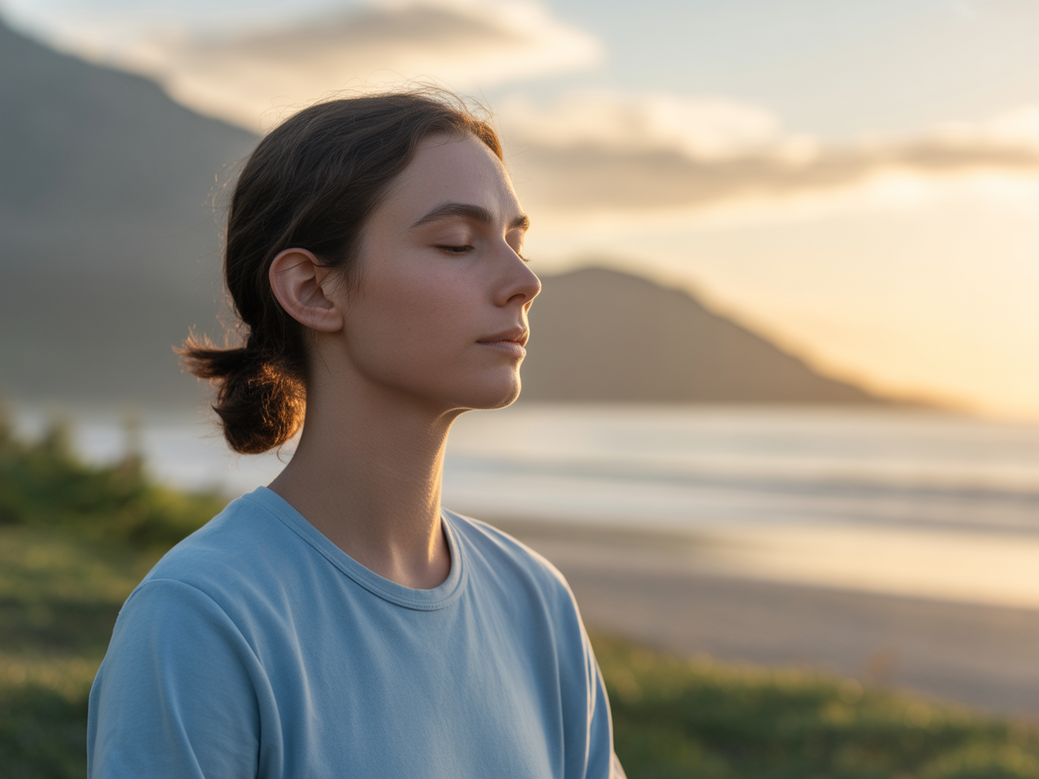
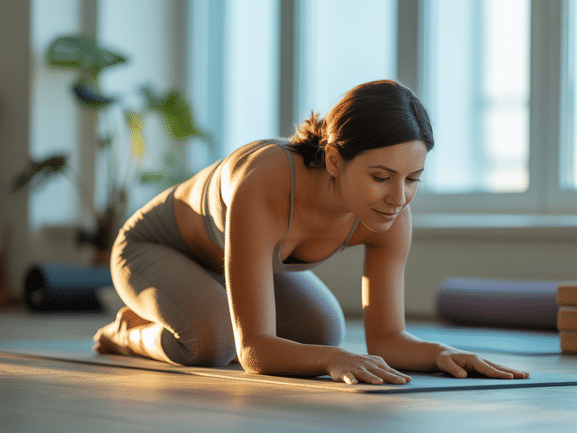
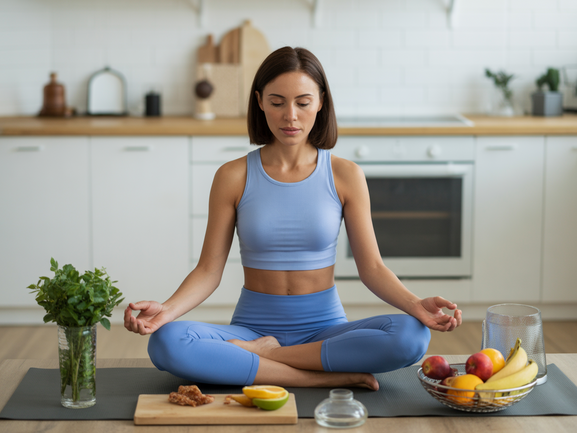
In the fast-paced world of 2026, managing stress has become essential for maintaining a healthy and balanced life. If you’re searching for a proven method to find tranquility, yoga and meditation for stress relief offer a powerful, holistic solution. This ancient practice is more than just a workout; it’s a comprehensive system that unites physical postures (asanas), controlled breathing (pranayama), and deep mindfulness to regulate your nervous system and foster profound mental resilience.
This isn’t a temporary fix but a sustainable toolkit for achieving lasting inner peace. At Vitalizen App | Yoga + Meditation, we are committed to making these transformative stress management techniques accessible to everyone. This guide explores how integrating yoga and meditation for stress relief into your daily routine can help you find your calm and elevate your overall well-being.
The Core Benefits of Yoga and Meditation for Well-being
Why are so many people turning to yoga and meditation to combat stress? These practices deliver a wealth of benefits that target both the physical symptoms and the mental root causes of stress. By forging a stronger mind-body connection, you can cultivate a deep sense of equilibrium that positively impacts every aspect of your life.
Key Physical Benefits for a Relaxed Body
Chronic stress takes a toll on the body. The practice of yoga and meditation for stress relief directly counteracts these effects through several mechanisms.
- Reduces Muscle Tension: The gentle, deliberate stretching in yoga releases tightness stored in your muscles, particularly in high-stress areas like the neck, shoulders, and back.
- Lowers Blood Pressure and Cortisol: Deep breathing and mindful movement activate the body’s relaxation response, which can lead to lower blood pressure and reduced levels of the stress hormone cortisol.
- Improves Sleep Quality: By calming the central nervous system, both practices can help you fall asleep faster and enjoy deeper, more restorative sleep—a crucial component of stress recovery.
- Boosts Natural Energy: While calming, certain yoga styles are designed to be invigorating. They improve circulation and oxygen supply, effectively combating the fatigue that often accompanies chronic stress.
Essential Mental Benefits for a Resilient Mind
A calm mind is one of the most sought-after results of these practices. The mental health benefits are transformative and build lasting resilience against life’s pressures.
- Enhances Focus and Clarity: Meditation acts as a workout for your brain. It trains you to anchor your attention, which sharpens your focus and improves concentration in your daily activities.
- Promotes Emotional Regulation: These practices provide a safe space to observe your thoughts and emotions without judgment. This leads to greater emotional stability and a reduced tendency to react impulsively to stressors.
- Cultivates a Positive Outlook: Regular meditation helps you identify and reframe negative thought patterns. This process fosters a more optimistic and resilient mindset, improving your overall mental health.
How Do Yoga and Meditation Scientifically Reduce Stress?
The magic of yoga and meditation for stress relief lies in their ability to influence your body’s physiological stress response. When you feel overwhelmed, your sympathetic nervous system triggers the “fight-or-flight” response, flooding your body with hormones like cortisol and adrenaline. Yoga and meditation activate the parasympathetic nervous system—the “rest-and-digest” system—which brings your body back to a state of calm and balance.
This activation is not just a feeling; it’s a measurable biological process. According to a 2025 study from a leading .edu institution, mindfulness practices directly stimulate the vagus nerve, a key component of the parasympathetic system, leading to decreased heart rate and blood pressure. Furthermore, a 2026 report from the National Institute of Mental Health confirms that consistent practice can lead to a measurable decrease in cortisol levels, effectively reducing the chronic stress that impacts a majority of adults.
Getting Started: A 5-Step Guide for Your First Practice
Ready to take the first step on your journey? Starting is simpler than you might think. You don’t need to be an expert to begin feeling the benefits of yoga and meditation for stress relief. Follow these steps for a successful first session.
- Find a Quiet Space: Choose a comfortable, peaceful spot where you won’t be disturbed for 10-20 minutes. This dedicated space helps signal to your brain that it’s time to relax.
- Choose Your Guidance: Use a guided session from an app like Vitalizen. This removes the guesswork and allows you to follow clear, expert instructions tailored to beginners.
- Focus on Your Breath: Sit or lie down comfortably and bring your attention to your breath. Notice the sensation of the air entering and leaving your body. This is the anchor for your mindfulness practice.
- Move with Intention: If you are practicing yoga, follow the postures gently. The goal is not perfect form but mindful movement. Pay close attention to how your body feels with each stretch and hold.
- End with Stillness (Savasana): Always conclude your practice with a few minutes of quiet relaxation, typically lying down in Corpse Pose (Savasana). This allows the benefits of the practice to integrate fully.
💡 Ready to start? The Vitalizen App offers a free trial with guided sessions perfect for beginners. Find your calm in just 10 minutes today!
Exploring Different Styles of Yoga for Stress Relief
Not all yoga is the same. Different styles offer unique approaches to calming the mind and body. Finding the right one for you can deepen your yoga and meditation for stress relief practice.
- Hatha Yoga: A slower-paced, foundational style that is perfect for beginners. It focuses on basic postures and breathing exercises to align and calm your body, mind, and spirit.
- Restorative Yoga: This practice uses props like bolsters and blankets to support your body in gentle, long-held poses. It is deeply relaxing and designed to activate the parasympathetic nervous system.
- Yin Yoga: A quiet, meditative practice that involves holding passive poses for several minutes. It targets the deep connective tissues and is excellent for increasing flexibility and encouraging introspection.
- Vinyasa Yoga: A more dynamic style where you flow from one pose to the next, synchronized with your breath. While more physically active, the continuous movement can create a meditative state, helping to clear the mind.
What is the Cost of Implementing This Practice?
One of the greatest advantages of yoga and meditation is their accessibility. The investment in your well-being can be adapted to any budget, from completely free to premium, guided experiences. Your path depends entirely on your personal preferences and resources.
| Method | Average Cost (2026) | Key Features |
|---|---|---|
| Self-Guided (Free Resources) | $0 | Utilizes online videos and articles. Requires strong self-discipline and careful source selection. |
| Mobile Apps (like Vitalizen) | $10-$20/month | Guided sessions, progress tracking, variety, and personalization. Excellent value and flexibility. |
| Local Studio Membership | $100-$200/month | In-person expert guidance, community support, and full equipment access. |
How to Get Started with the Vitalizen App
Are you ready to embark on your wellness journey? With the Vitalizen App, you gain access to a comprehensive library of guided yoga and meditation for stress relief sessions. Our programs are designed by experts to meet your specific needs, whether you are a complete beginner or an experienced practitioner.
To learn more about our mission, visit our about page. Also, don’t forget to explore our blog for more tips and guidance on mindfulness and stress management techniques.
Frequently Asked Questions (FAQ)
How much time do I need to practice daily for stress relief?
Even 10-15 minutes of daily practice can make a significant difference. Consistency is more important than duration. The Vitalizen App offers sessions of varying lengths, from 5 to 60 minutes, to fit your schedule perfectly.
Do I need special equipment to start?
A comfortable mat is recommended for yoga, but you can start with just a quiet space and comfortable clothing. For meditation, no equipment is needed at all—just a willingness to be present.
Can I practice yoga if I’m not flexible?
Absolutely! This is a common myth. Flexibility is a result of practicing yoga, not a prerequisite. Our beginner-friendly sessions on the Vitalizen App are designed to help you build flexibility safely and at your own pace.
How long does it take to see results from yoga and meditation?
Many people report feeling calmer and more centered after their very first session. However, the most profound and lasting benefits, such as reduced anxiety and improved emotional regulation, typically develop over several weeks of consistent practice.
Can yoga and meditation replace therapy?
While yoga and meditation for stress relief are powerful tools for mental health, they are not a substitute for professional therapy for clinical conditions. They serve as an excellent complement, providing daily support for the work you do with a mental health professional.
Join the Conversation
What are your favorite ways to de-stress? Have you tried yoga and meditation for stress relief before? We invite you to share your experiences and questions in the comments below! Your journey can inspire others to find their own path to calm.
🎯 Ready to transform your well-being? If you have any specific questions about getting started, feel free to contact us. We are here to support you on your path to a more peaceful, balanced, and resilient life in 2026 and beyond.