


Yoga and Meditation: Your Path to Enhanced Well-being in 2026
In the hustle of modern life, finding true calm and balance can feel like a monumental task. Yet, the ancient practices of yoga and meditation offer a timeless and scientifically-backed solution to enhance your well-being. They provide a powerful framework to unite mind and body, alleviate stress, and unlock a more vibrant life. This guide will explore how you can embark on this transformative journey.
The Synergy of Mind and Body: What is Yoga?
Originating in ancient India, yoga is a holistic discipline designed to integrate the mind, body, and spirit. While modern culture often highlights the physical postures (asanas), yoga is a far more comprehensive practice. It encompasses a rich tapestry of ethical principles, physical conditioning, breath control (pranayama), and deep meditation.
The core objective of yoga is to cultivate harmony. By synchronizing your breath with intentional movements, you enhance not only physical strength and flexibility but also mental clarity and emotional stability. It is a deeply personal practice that adapts to your individual needs, whether you are a novice or a seasoned practitioner. For more insights, visit our blog.
Training the Mind: What is Meditation?
Meditation is the practice of training attention and awareness to achieve a state of mental clarity and emotional calm. Think of it as a dedicated workout for your brain. By using techniques like mindfulness or focusing on a single point—such as your breath or a mantra—you learn to observe your thoughts without judgment.
The benefits are accessible without a huge time commitment. Even 5-10 minutes of daily meditation can significantly reduce stress, sharpen your focus, and foster a profound sense of inner peace. It’s about creating a space for stillness in your day, which is an incredibly liberating skill in our hyper-connected world. Learn more on our about page.
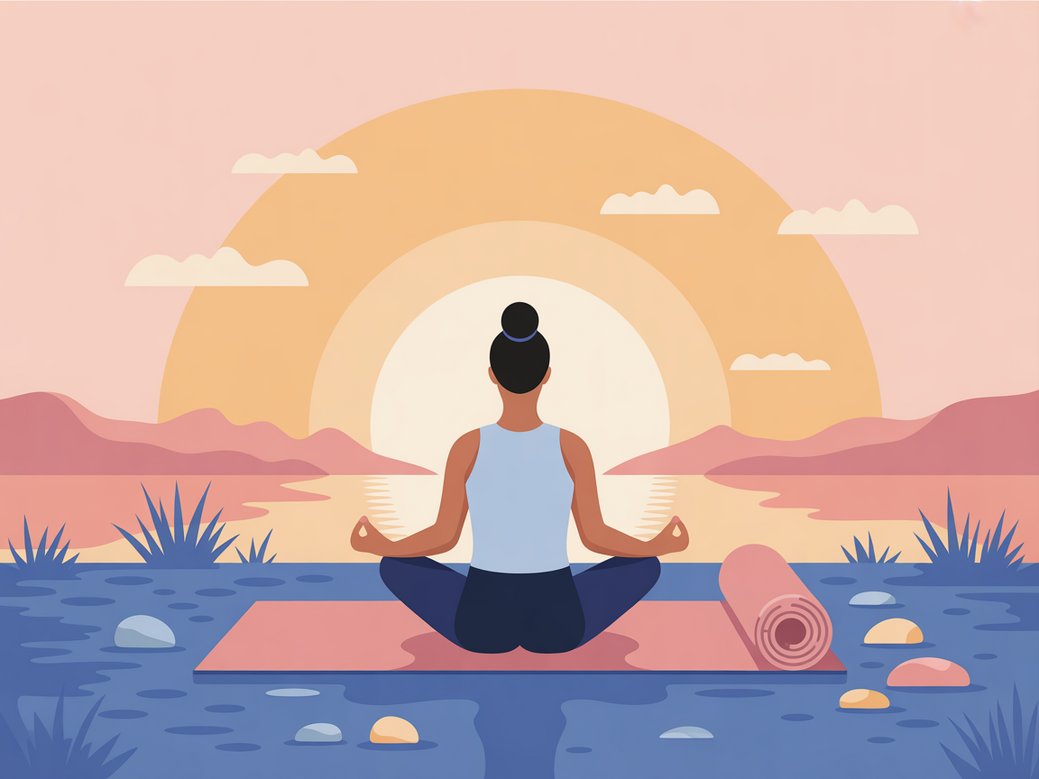
The Science of Stillness: Why Yoga and Meditation are Crucial for Health
The profound health benefits of yoga and meditation are supported by a growing body of scientific research. These practices are not merely relaxation techniques; they are powerful tools for building resilience and fundamentally improving your quality of life.
A landmark study published by the National Institutes of Health confirms that regular practice can lead to structural changes in the brain, enhancing memory and emotional regulation. Furthermore, research from institutions like Harvard Health highlights yoga’s effectiveness in managing symptoms of anxiety and depression.
Here are some of the key, evidence-based advantages you can gain:
- Stress and Anxiety Reduction: Both practices are proven to lower cortisol, the body’s primary stress hormone, promoting a state of calm.
- Improved Physical Health: Yoga enhances flexibility, strength, and cardiovascular health, while meditation can lower blood pressure and improve immune response.
- Enhanced Mental Clarity: Regular practice sharpens concentration, boosts memory, and cultivates a more positive and focused mindset.
- Superior Sleep Quality: By calming the central nervous system, yoga and meditation can help you fall asleep faster and enjoy more restorative, deep sleep.
- Increased Self-Awareness: These practices encourage introspection, helping you build a deeper understanding of your thoughts, emotions, and behaviors.
The journey of yoga and meditation is one of self-discovery and empowerment, leading to lasting well-being.
Your First Steps: How to Start with Yoga and Meditation Today
Starting your practice is far simpler than you might imagine. You don’t need expensive equipment or a flexible schedule. The most important step is the first one. Here’s a practical guide to get you started on the right foot:
- Create a Quiet Corner: Designate a small, peaceful space in your home. This simple act signals to your brain that it’s time to focus inward.
- Start Small and Be Consistent: Commit to just 5-10 minutes a day. Consistency is always more impactful than duration when forming a new habit.
- Use Guided Resources: A guided app like the Vitalizen App is invaluable for beginners. It provides clear, step-by-step instructions for both yoga and meditation sessions.
- Listen to Your Body: This is the golden rule. Yoga is a non-competitive practice of self-compassion. Never push into pain; modify poses as needed.
- Anchor Yourself with Breath: Your breath is your most powerful tool. In both yoga and meditation, gently returning your focus to your breath will center your mind and calm your body.
💡 Tip: Ready to take the first step? Start your wellness journey with our guided beginner sessions now!
Finding Your Flow: Which Style of Yoga Is Right for You?
The world of yoga is diverse, with a style to suit every personality and fitness level. Finding a practice that aligns with your goals is essential for long-term enjoyment and success. Here is a breakdown of popular styles perfect for those new to yoga and meditation:
| Yoga Style | Primary Focus | Best For |
|---|---|---|
| Hatha Yoga | Fundamental postures at a deliberate, slow pace. | Absolute beginners wanting a gentle and clear introduction to yoga. |
| Vinyasa Yoga | Flowing, dynamic movements synchronized with the breath. | Those seeking a more active, fitness-focused practice that builds heat. |
| Restorative Yoga | Deep relaxation and stillness using props like pillows and blankets. | Anyone needing to de-stress, release tension, and calm the nervous system. |
| Yin Yoga | Holding passive, seated poses for extended periods (2-5 minutes). | Improving flexibility, healing connective tissues, and practicing mindfulness. |
We recommend exploring different styles through beginner classes or apps to see what resonates most with you. You can learn more about foundational yoga poses on our blog.
Overcoming Common Beginner Hurdles
It’s normal to face a few challenges when starting something new. Anticipating them can help you stay motivated. Here’s how to handle the most common obstacles in yoga and meditation:
- “My mind is too busy to meditate.” This is the most common myth. The goal isn’t to empty your mind, but to notice when it wanders and gently guide it back. Every time you do, you are strengthening your focus. Our meditation techniques guide can help.
- “I’m not flexible enough for yoga.” This is like saying you’re too dirty to take a shower. Flexibility is a result of yoga, not a prerequisite. A good practice meets you exactly where you are.
- “I don’t have time.” Even five minutes can make a difference. The key is to schedule it like any other important appointment. The benefits you gain in focus and calm will often give you back more time than you invest.
Frequently Asked Questions (FAQ)
Here are answers to some common questions about starting a yoga and meditation practice.
How often should I practice yoga and meditation?
For beginners, practicing yoga 2-3 times a week and meditating for 5-10 minutes daily is a great start. The key is *consistency* over duration. As you become more comfortable, you can gradually increase the length and frequency of your sessions. Listening to your body is essential.
What is the main difference between yoga and meditation?
Yoga is a holistic practice that combines physical postures (asanas), breathing exercises (pranayama), and meditation to unite mind and body. Meditation, on the other hand, is a component of yoga but can also be a standalone practice focused specifically on training attention and awareness to achieve a state of mental clarity and emotional calm.
How much does it cost to start practicing yoga?
The cost can be virtually zero. You can start at home using free resources like the Vitalizen App or online videos. While you can invest in a yoga mat ($15-$100) or studio classes ($15-$30 per class), no special equipment is truly necessary to begin your practice.
Can I lose weight with yoga?
Yes, yoga can contribute to weight loss. Active styles like Vinyasa or Power Yoga burn a significant number of calories. Furthermore, the practice helps reduce stress (a common cause of weight gain) and promotes mindfulness, which can lead to healthier eating habits.
When is the best time of day to meditate?
The best time to meditate is whenever you can consistently fit it into your schedule. Many people prefer the morning to start their day with clarity and focus. Others find an evening meditation helpful for de-stressing and improving sleep quality. Experiment to find what works best for you.