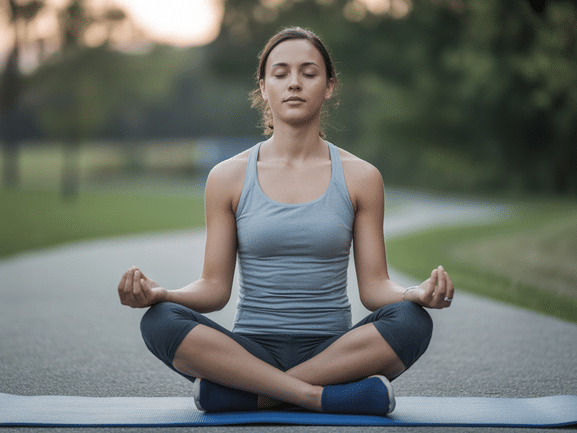


Daily Meditation: A Comprehensive Guide to Starting Your Practice in 2026

In the relentless pace of modern life, finding a moment of stillness can feel impossible. Daily meditation is the simple, yet profound practice of training your attention and awareness to achieve a mentally clear and emotionally calm state. It’s not about escaping reality, but about understanding it more clearly. This habit offers a powerful antidote to the stress and distraction that define our digital age, significantly improving mental and emotional well-being.
This comprehensive guide will walk you through everything you need to know to start and maintain a transformative daily meditation habit. We’ll explore the science-backed benefits, different techniques, and practical steps to integrate this practice into your life. Discover how the Vitalizen App | Yoga + Meditation can become your trusted companion on this journey to inner peace.
Why is a Daily Meditation Practice Essential in 2026?
Committing to a daily meditation routine is a powerful act of self-care with profound, scientifically-backed effects. It’s a mental workout that strengthens your mind’s resilience. The goal isn’t to silence your thoughts—an impossible task—but to observe them without judgment. This process allows you to gain a new, healthier perspective on your mental patterns and emotional responses, physically altering the brain for the better over time.
According to a 2026 report from the Global Wellness Institute, 85% of individuals who practice daily meditation report a significant decrease in perceived stress within the first month.
The primary benefits of a consistent practice are clear and deeply impactful for your overall quality of life:
- Drastically Reduces Stress and Anxiety: Daily meditation is a potent tool for managing stress. By activating the body’s relaxation response, it helps lower cortisol levels, the primary stress hormone. Many people feel a sense of calm from the very first session.
- Improves Focus and Concentration: In an age of constant digital distraction, our attention is a precious resource. Meditation trains your attentional muscles, enhancing your ability to concentrate for longer periods and boosting productivity.
- Promotes Deep Emotional Health: The practice helps you develop a greater understanding of your emotional landscape. By observing feelings without reacting, you cultivate emotional regulation, leading to a more positive and stable outlook.
- Enhances Self-Awareness and Introspection: Meditation provides a dedicated space for self-discovery. This quiet time helps you connect with your inner self, understand your motivations, and foster a stronger sense of identity. To learn more about our philosophy, discover What is Vitalizen.app?.
- Boosts Memory and Cognitive Function: Research has shown that long-term meditation practice can increase grey matter density in brain regions associated with learning and memory.
For a deeper dive into the scientific advantages, this article from the National Center for Complementary and Integrative Health (a .gov source) provides an excellent overview.
The Science Behind How Daily Meditation Works
At its core, daily meditation works by training your brain’s attention networks and reshaping its structure—a concept known as neuroplasticity. When you consistently bring your focus back to an anchor, like your breath, you are strengthening the prefrontal cortex. This brain region is the hub for higher-order functions like awareness, concentration, and decision-making.
The process generally involves these key elements:
- Attention Regulation: You learn to consciously control and direct your focus, rather than letting it be pulled away by every distraction.
- Body Awareness (Interoception): You become more attuned to the subtle physical sensations in your body, creating a stronger mind-body connection.
- Emotion Regulation: You develop the crucial ability to observe emotions as they arise without being overwhelmed or carried away by them. This creates a buffer of calm between an emotional trigger and your response.
- Decreased “Me-Center” Activity: Studies from institutions like Harvard University have shown that meditation can reduce activity in the Default Mode Network (DMN), the brain network associated with mind-wandering and self-referential thoughts (the “me-center”). This leads to less rumination and anxiety.
How to Start a Daily Meditation Practice: A 5-Step Guide
Getting started with daily meditation is simpler than you might think. You don’t need special equipment or esoteric knowledge—just a willingness to try. Follow these steps to begin your journey toward a consistent and rewarding practice.
- Find a Quiet and Comfortable Spot: First, choose a dedicated space where you won’t be disturbed for a few minutes. It could be a corner of your room, a comfortable chair, or a cushion on the floor. The key is to create an environment where you feel at ease and can be relatively free from interruption.
- Set a Realistic Timer: When you’re a beginner, starting small is crucial for building momentum. Begin with an achievable duration, such as 3 to 5 minutes. Using a timer helps you relax without constantly worrying about the time. The Vitalizen App has a library of guided meditations of varying lengths, perfect for beginners.
- Focus on Your Breath as an Anchor: Close your eyes gently and bring your attention to the physical sensation of your breath. Notice the air entering through your nostrils, filling your lungs, and then leaving your body. Don’t try to change your breathing pattern; just observe it. This breath is your anchor to the present moment.
- Acknowledge Thoughts Kindly and Return to the Breath: Your mind will wander. This is not a failure; it is the nature of the mind. When you notice your thoughts drifting to your to-do list, a memory, or a worry, gently acknowledge the thought without judgment and then guide your focus back to your breath. The practice of daily meditation is this very act of returning, over and over again.
- Prioritize Consistency Over Perfection: Above all, consistency is more important than duration. A 5-minute practice every single day is far more effective than a 30-minute session once a week. Try to meditate at the same time each day—perhaps right after waking up—to build a strong and lasting habit.
🎯 Ready to start? The Vitalizen App is here to guide you every step of the way. Take the first step towards a more balanced you!
Overcoming Common Challenges in Meditation
As you begin your practice, you may encounter a few common hurdles. Knowing what to expect can help you navigate them with patience.
- Restlessness or Fidgeting: It’s normal to feel antsy. Instead of fighting it, gently observe the sensation of restlessness in your body. Where do you feel it? Is it moving? Often, simply observing it can help it dissipate.
- Drowsiness: If you feel sleepy, try sitting in a more upright posture (not too rigid) or practicing at a time of day when you’re more alert. A short walking meditation can also be a great alternative.
- The “I’m Doing It Wrong” Feeling: There is no “wrong” way to meditate. The only goal is to show up and try. Every session is a success, regardless of how focused or distracted you felt.
What Are the Different Types of Meditation?
While the core principles are similar, there are many meditation styles. Finding one that resonates with you can make your practice more enjoyable and sustainable. Here are a few popular types you can explore within the Vitalizen App:
| Meditation Type | Focus | Best For |
|---|---|---|
| Mindfulness Meditation | Paying attention to your thoughts as they pass without judgment. Often anchored to the breath. | Beginners, stress reduction, and cultivating presence. |
| Guided Meditation | Following the voice of a teacher who guides you through the process, often using imagery and specific instructions. | Those who find it hard to focus on their own or want to target a specific outcome (e.g., sleep, anxiety relief). |
| Walking Meditation | Focusing on the physical sensation of your feet on the ground and the movement of your body as you walk. | People who struggle with sitting still or want to incorporate mindfulness into physical activity. |
| Loving-Kindness Meditation | Cultivating feelings of compassion and love by silently repeating positive phrases directed toward yourself and others. | Developing empathy, reducing self-criticism, and fostering a sense of connection. |
How Much Does Daily Meditation Cost?
One of the most beautiful aspects of a daily meditation practice is its accessibility. It can be completely free. You don’t need to spend any money to sit quietly and focus on your breath. However, for those seeking structure and guidance, there are resources that can support your practice, which may come with a cost.
Here’s a breakdown of potential costs:
- Free Resources: You can start with nothing but your own intention. There are also countless free guided meditations on platforms like YouTube and through community groups.
- Meditation Apps: Apps like the Vitalizen App offer structured programs, a vast library of guided sessions for different goals (sleep, focus, stress), and progress tracking. These often operate on a freemium or subscription model, typically ranging from $10-$15 per month, offering immense value.
- Classes and Workshops: In-person or online classes can provide community and expert guidance, with costs varying widely from $20 per class to several hundred dollars for a weekend workshop or retreat.
💡 Tip: Start with free resources to build your habit. When you’re ready for more variety and structure, explore an app like Vitalizen, which offers a free trial to see if it’s the right fit for you.
Frequently Asked Questions (FAQ) about Daily Meditation
What is the best time of day to meditate?
Many people find that meditating first thing in the morning helps set a positive and calm tone for the day. However, the absolute best time to meditate is the time that works for you and that you can maintain consistently. This could be during a lunch break to reset, or before bed to unwind and prepare for sleep.
How long should I meditate for as a beginner?
Starting with just 3-5 minutes per day is a fantastic way to build the habit without feeling overwhelmed. As you become more comfortable, you can gradually increase the duration. The Vitalizen App offers sessions of various lengths, allowing you to grow with your practice.
What if I can’t clear my mind of thoughts?
This is the most common misconception about meditation! The goal is not an empty mind, which is impossible. The practice is to notice when your mind has wandered and then gently, without judgment, bring your focus back to your anchor (like the breath). It’s a training of attention, not an absence of thought.
Do I need a special app for my daily meditation practice?
While you can certainly meditate on your own, an app like the Vitalizen App can be incredibly helpful, especially for beginners. It provides structure, guidance, and variety to keep you motivated and engaged in your practice. Give it a try!
Can daily meditation help with sleep?
Yes, absolutely. Practicing meditation, particularly in the evening, can help calm the nervous system and quiet the mind, making it easier to fall asleep and improve sleep quality. Many guided meditations are specifically designed to promote restful sleep.