
How to Start Yoga and Meditation: A 2026 Beginner’s Guide
In our fast-paced world, finding a moment of peace can feel like a luxury. Yoga and meditation are powerful, time-tested practices designed to improve well-being by fostering a deep connection between your mind and body. Have you ever wanted to learn how to start yoga but felt overwhelmed by the options? This guide provides simple, actionable steps to begin your journey toward a calmer, more centered you in 2026.
Why Start Yoga and Meditation?
The benefits of incorporating yoga and meditation into your daily routine are extensive and well-documented:
- Stress Reduction: Both practices are highly effective at lowering stress hormones and promoting relaxation.
- Improved Mental Clarity: Meditation trains your mind to focus, leading to better concentration and decision-making.
- Enhanced Physical Health: Yoga improves flexibility, strength, balance, and can alleviate chronic pain.
- Emotional Regulation: Cultivate a greater sense of calm and learn to respond to challenges with more patience.
- Better Sleep: Regular practice can significantly improve sleep quality and combat insomnia.
How to Start: Your Step-by-Step Guide
Starting a new practice can seem daunting, but with these simple steps, you’ll be well on your way:
1. Find Your Quiet Corner
Choose a calm, quiet space in your home where you won’t be disturbed for 10-15 minutes. This dedicated space will become your sanctuary for practice. It doesn’t need to be large or elaborate; a corner of a room is perfectly fine.
2. Try a Simple Yoga Flow
Begin with a basic sequence. The Vitalizen App offers beginner-friendly flows. A great starting point is the Cat-Cow stretch:
- Start on your hands and knees, wrists under shoulders, knees under hips.
- Inhale: Drop your belly towards the floor, lift your chest and tailbone, looking gently upwards (Cow Pose).
- Exhale: Round your spine towards the ceiling, tuck your chin to your chest, and draw your navel in (Cat Pose).
- Repeat 5-10 times, coordinating your breath with your movement.
3. Practice Mindful Breathing (Meditation)
Meditation doesn’t require sitting for hours. Start small:
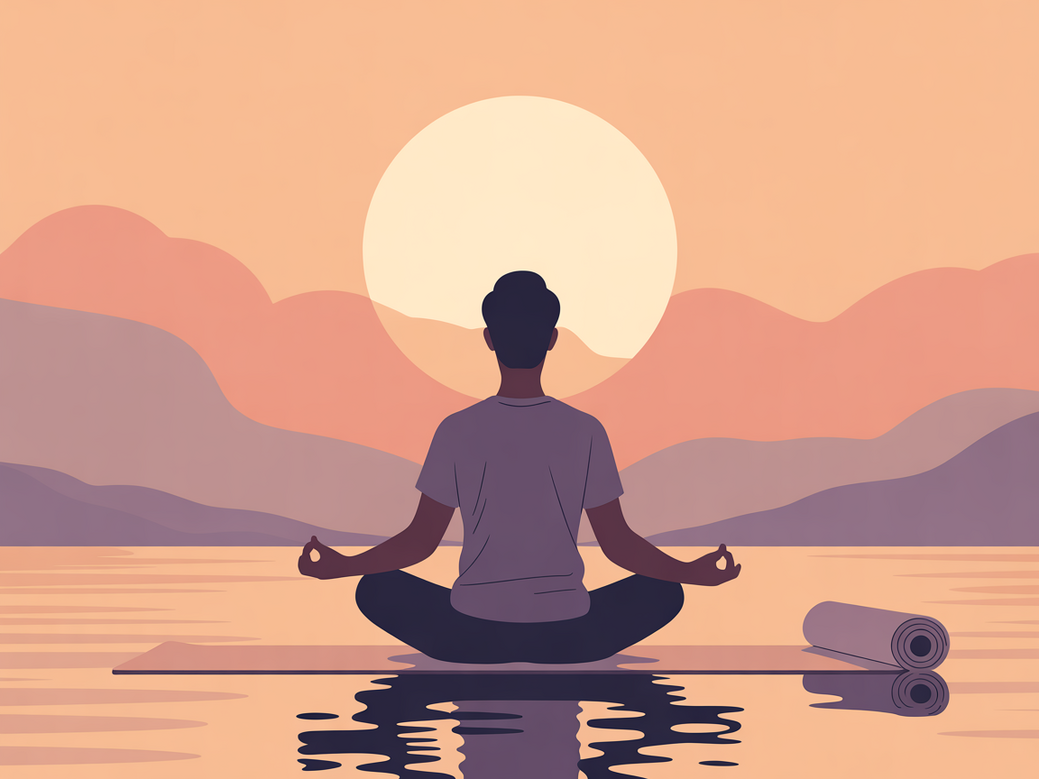
- Sit comfortably, either on a cushion, chair, or the floor. Keep your spine long.
- Close your eyes gently or soften your gaze.
- Focus your attention on your breath. Notice the sensation of air entering and leaving your body.
- When your mind wanders (and it will!), gently guide your attention back to your breath without judgment.
- Start with 2-5 minutes and gradually increase the duration as you feel comfortable.
4. Consistency Over Perfection
It’s better to practice for 10 minutes every day than for an hour once a week. Consistency builds habits and allows you to experience the cumulative benefits. Don’t worry about being perfect; just show up for yourself.
5. Listen to Your Body
Yoga and meditation are personal journeys. Never push yourself into pain. Modify poses as needed and respect your body’s limits. The goal is to cultivate awareness, not to achieve a specific shape.
What About Equipment and Costs?
One of the best things about starting yoga and meditation is how little you need:
- Yoga Mat: While helpful for cushioning and grip, it’s not essential. A towel or carpeted floor works fine for beginners.
- Comfortable Clothing: Wear anything that allows you to move freely.
- Cushion/Chair: For meditation, any comfortable seating will do.
- Cost: Many resources are free or low-cost. YouTube offers countless beginner videos. Apps like Vitalizen provide structured guidance at an affordable subscription rate, often with free trials.
Let Vitalizen Guide Your Journey
The Vitalizen App is designed specifically for beginners, offering:
- Guided Yoga Flows: Easy-to-follow sequences for all levels, focusing on foundational poses.
- Mindful Meditations: Short, effective guided meditations to help you cultivate inner peace.
- Personalized Programs: Tailored plans to help you achieve specific goals, whether it’s stress relief, better sleep, or increased flexibility.
- Progress Tracking: Monitor your practice and celebrate your achievements.
With Vitalizen, you have a supportive guide in your pocket, making it easier than ever to integrate these transformative practices into your 2026 routine.
Common Questions About Starting Yoga and Meditation
How often should I practice yoga and meditation?
For beginners, consistency is more important than duration. Therefore, starting with 10-15 minutes of practice, 3-4 times a week, is a great goal. As you become more comfortable, you can gradually increase the duration and frequency. The most important thing is to listen to your body and find a sustainable yoga routine.
Do I need any special equipment to start yoga?
You don’t need much to start your yoga journey! A comfortable space is the most important thing. While a yoga mat can provide cushioning and grip, a towel or carpeted floor works just fine for beginners. Similarly, for meditation, a simple cushion or chair is all you need to sit comfortably.
Can I do yoga if I’m not flexible?
Absolutely! This is a common misconception. In fact, yoga is a fantastic way to improve your flexibility. It’s not about touching your toes; it’s about what you learn on the way down. The goal is to connect with your body, not to achieve perfect poses. With an app like Vitalizen, you get guided yoga practices tailored for every level.
What is the main difference between yoga and stretching?
While both improve flexibility, yoga’s primary focus is the union of mind, body, and breath. A complete yoga practice incorporates pranayama (breath control) and meditation, making it a holistic mind-body practice. Stretching, on the other hand, is primarily a physical activity focused on elongating muscles.
Can meditation really change my brain?
Yes, research from institutions like Harvard has shown that consistent meditation can lead to neuroplasticity—changes in the brain’s structure and function. Studies using MRI scans have observed increased gray matter density in areas related to learning, memory, and emotional regulation. Source: Harvard Gazette (.edu).
Conclusion
Starting your yoga and meditation journey in 2026 is an investment in your overall well-being. By taking small, consistent steps, you can unlock a wealth of benefits for your mind, body, and spirit. Remember, it’s not about being perfect, but about showing up for yourself. Download the Vitalizen App today and begin your path to a more peaceful and balanced life.