

Meditation for Mental Health: A Science-Backed Guide to Wellness
Meditation for mental health is transforming how we manage stress and anxiety in 2026. Discover proven techniques to boost your psychological well-being today.
In today’s fast-paced world, finding a moment of peace can feel like a luxury. However, what if you could access a state of calm and clarity anytime, anywhere? This is the power of meditation for mental health, a practice that is not only ancient but also backed by modern neuroscience. Consequently, more people are turning to mindfulness practice to improve their psychological well-being and overall quality of life.
Scientific studies, including those from Harvard Medical School and the American Psychological Association, demonstrate that regular meditation can reduce symptoms of anxiety and depression by up to 40%. It physically rewires the brain, enhancing areas responsible for emotional regulation and resilience.
The Science Behind Meditation for Mental Health
Neuroimaging research, such as MRI scans, shows that consistent meditation practice increases gray matter density in the hippocampus (key for memory and learning) while decreasing it in the amygdala (the brain’s fear center). This results in lower cortisol levels, reduced stress responses, and improved mood stability.
Proven Meditation Techniques for Beginners
Here are some evidence-based techniques to get started:
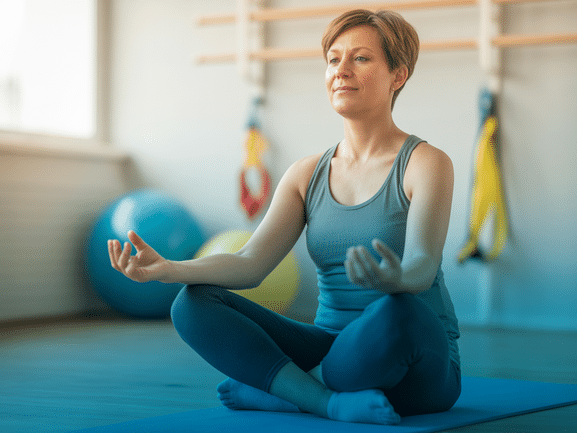
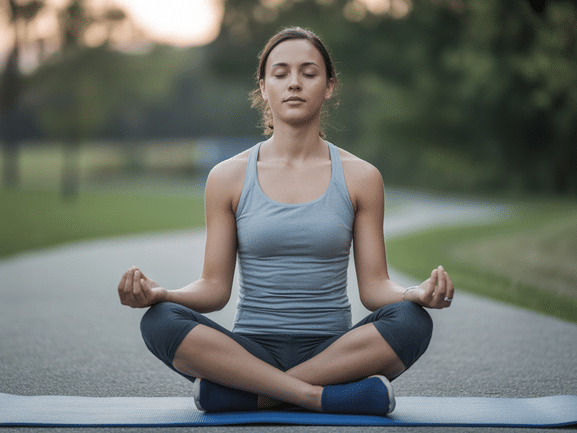
- Mindfulness Meditation: Sit comfortably, focus on your breath for 5-10 minutes. When your mind wanders, gently return to the breath. Studies show it lowers anxiety in just 8 weeks.
- Loving-Kindness (Metta) Meditation: Repeat phrases like “May I be happy, may I be healthy.” This boosts compassion and reduces negative self-talk.
- Body Scan Meditation: Mentally scan your body from head to toe, releasing tension. Ideal for insomnia and chronic stress.
- Transcendental Meditation: Use a personal mantra to transcend thought. Research links it to lower blood pressure and enhanced focus.
How to Incorporate Meditation into Your Daily Routine
Start small: 5 minutes daily, ideally in the morning. Use free apps like Insight Timer or Headspace. Track progress with a journal. Combine with exercise or yoga for amplified benefits. In 2026, wearable tech like smartwatches even guides meditation sessions with biofeedback.
Real-World Results and Precautions
Users report 30-50% reductions in stress after one month. However, consult a doctor if you have severe mental health conditions. Meditation complements therapy, not replaces it.
In conclusion, meditation for mental health is a free, portable superpower. Embrace it today for lasting wellness tomorrow.