

How to Start Yoga and Meditation in 2026: A Beginner’s Guide
Are you feeling overwhelmed by daily stress or finding it hard to focus? If you’re searching for a moment of peace in your busy day, you are not alone. The ancient practices of yoga and meditation offer a powerful, accessible solution to enhance your well-being. This guide is designed to help you begin your journey toward a more balanced and centered life, one breath at a time.
What Are Yoga and Meditation? A Holistic Approach
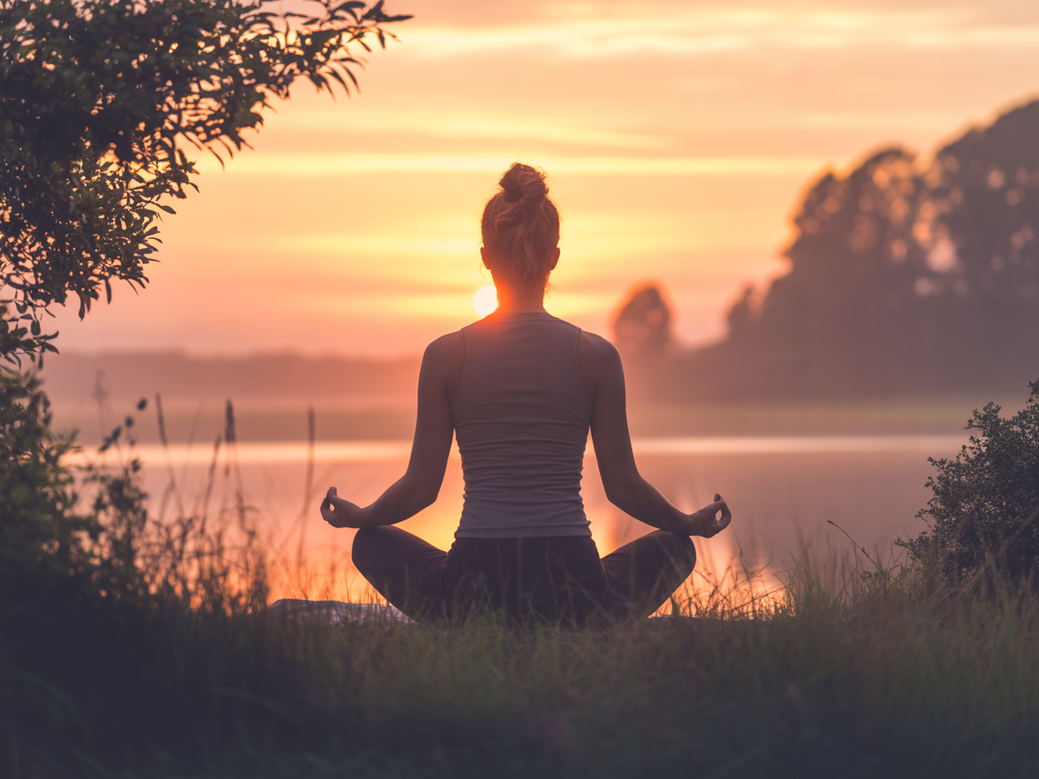
Yoga is a comprehensive mind-body practice that masterfully combines physical postures (asanas), controlled breathing techniques (pranayama), and deep meditation or relaxation. Originating in ancient India, its primary goal is to improve strength, balance, and flexibility while fostering a deep connection between mind and body. Meditation, also an ancient and revered practice, is a technique for training attention and awareness. The aim is to achieve a mentally clear, emotionally calm, and stable state.
Think of yoga as meditation in motion. The intense focus on body movement and breath helps to quiet the constant chatter of the mind. Conversely, meditation is the practice of stillness, training your mind to observe thoughts without judgment. When combined, yoga and meditation create a holistic and powerful approach to modern well-being, enhancing both physical and mental health.
The Science-Backed Benefits of Yoga and Meditation
In our fast-paced world, managing stress is more critical than ever. Yoga and meditation are scientifically proven tools to combat its negative effects. Regular practice can significantly lower cortisol levels, the body’s primary stress hormone. This physiological shift leads to reduced anxiety, improved mood, and better sleep quality.
According to the National Center for Complementary and Integrative Health (NCCIH), numerous studies show that yoga and meditation can reduce pain and disability while improving flexibility and functional mobility. This highlights the profound physical impact of these practices.
Beyond stress reduction, these disciplines enhance mindfulness—the ability to be fully present in the moment. This skill sharpens concentration, improves decision-making, and deepens your connection with yourself and others. Starting a yoga and meditation practice is a direct investment in your long-term physical and mental resilience.
- Mental Clarity: Reduces mental fog and enhances focus.
- Emotional Stability: Helps regulate emotional responses to daily challenges.
- Physical Health: Improves cardiovascular health, flexibility, and strength.
- Improved Sleep: Calms the nervous system, leading to more restful sleep.
How Do You Start Practicing Yoga? Your First Steps
You don’t need to be a flexible gymnast to begin yoga. Your journey starts with simple, foundational poses that build confidence and body awareness. All you need is a comfortable space and a willingness to explore your body’s capabilities. As you grow more comfortable, you can explore more poses and sequences through resources like the articles and tips on our blog.
Five Simple Poses for Beginners
- Mountain Pose (Tadasana): Stand tall with your feet together, feeling the ground beneath you. This pose seems simple, but it is the foundation for many others and is crucial for improving your posture and body awareness.
- Cat-Cow Stretch (Marjaryasana-Bitilasana): Position yourself on your hands and knees. Gently alternate between arching your back (Cow) and rounding your spine (Cat). This is a wonderful way to warm up the spine and release tension.
- Child’s Pose (Balasana): This is a gentle resting pose. Kneel on the floor, sit back on your heels, and fold forward, resting your forehead on the floor. It helps to stretch the hips and back, offering a moment to reconnect with your breath.
- Downward-Facing Dog (Adho Mukha Svanasana): From your hands and knees, lift your hips up and back to form an inverted V-shape. It stretches the entire body and is a core pose in many yoga practices.
- Warrior II (Virabhadrasana II): A standing pose that builds strength in the legs and core while opening the hips and shoulders. It embodies the spirit of a peaceful warrior.
Choosing Your Style: What Type of Yoga and Meditation is Right for You?
The worlds of yoga and meditation are vast and varied. Finding a style that resonates with your personality and goals is key to building a lasting practice. Here’s a quick overview to guide you.
Common Yoga Styles for Beginners:
- Hatha Yoga: A slower-paced, gentle style perfect for absolute beginners. It focuses on basic postures and breathing.
- Vinyasa Yoga: A more dynamic style where you flow from one pose to the next, synchronized with your breath.
- Yin Yoga: A slow, meditative practice where poses are held for several minutes to target deep connective tissues.
Types of Meditation to Explore:
- Mindfulness Meditation: The practice of paying attention to your breath and observing thoughts without judgment.
- Guided Meditation: Following a teacher’s voice to guide you through a visualization or relaxation exercise. The Vitalizen App has dozens of these.
- Loving-Kindness Meditation: Focuses on developing feelings of compassion and love for yourself and others.
What Is the Best Way to Begin Meditating?
Meditation is the art of training your attention. Contrary to popular belief, the goal isn’t to empty your mind but to observe your thoughts without getting carried away by them. Here’s a simple 5-minute guide to your first session.
Your First 5-Minute Meditation
- Find a Quiet Spot: Sit comfortably on a chair with your feet on the floor or on a cushion on the ground. Keep your back straight but not stiff.
- Set a Timer: Start with just 5 minutes. The Vitalizen App | Yoga + Meditation offers guided meditations that are perfect for beginners.
- Focus on Your Breath: Close your eyes gently. Pay attention to the physical sensation of your breath as it enters and leaves your body. Notice the rise and fall of your chest or abdomen.
- Acknowledge a Wandering Mind: Your mind will wander—this is completely normal. When you notice your thoughts drifting, gently and without judgment, guide your focus back to your breath.
- End with Gratitude: When the timer sounds, take a moment to notice how you feel. Thank yourself for taking this time for self-care.
For a deeper understanding of the science, this article from the Mayo Clinic is an excellent external resource.
Building a Consistent Practice: Tips for Success in 2026
The key to unlocking the benefits of yoga and meditation is consistency. Here are some practical tips to help you build a sustainable routine.
- Start Small: Begin with just 5-10 minutes a day. It’s better to practice for a short time consistently than for a long time sporadically.
- Schedule It: Designate a specific time for your practice, just like any other important appointment.
- Create a Dedicated Space: Having a specific corner in your home for your practice can signal to your brain that it’s time to focus inward.
- Be Patient with Yourself: Some days will be easier than others. The goal is not perfection but persistence.
🎯 Ready to build your routine? The Vitalizen App helps you track your progress and stay motivated with daily reminders and new content.
How Much Does It Cost to Start Yoga and Meditation?
One of the greatest benefits of yoga and meditation is that they can be completely free. You don’t need expensive equipment or memberships to begin. You can practice at home using free online resources. As you progress, you might choose to invest in a yoga mat for comfort or subscribe to an app for guided sessions, but these are optional.
| Resource | Category | Estimated Cost |
|---|---|---|
| At-Home Practice (Online Videos) | Yoga & Meditation | $0 |
| Yoga Mat | Equipment | $20 – $50 |
| Vitalizen App Subscription | Guided Sessions | Freemium |
| In-Person Studio Class | Instruction | $15 – $30 per class |
What is the Vitalizen App?
We believe everyone deserves access to tools that support their well-being. That’s why we created Vitalizen. Curious about what Vitalizen.app is? It’s your personal, digital sanctuary for a calmer mind and a healthier body. We offer a wide range of guided yoga and meditation sessions suitable for every experience level, from complete beginners to seasoned practitioners.
Frequently Asked Questions (FAQ)
How often should I practice yoga and meditation?
For beginners, consistency is more important than duration. Aim for 10-20 minutes of practice 3-4 times per week. As you build this habit, you can gradually increase the length and frequency of your sessions to deepen your practice.
Do I need any special equipment?
No, you can start with just a comfortable outfit and a quiet space in your home. A yoga mat is recommended for comfort and grip, especially for yoga, but it is not essential when you are just beginning your journey.
Can I do yoga if I’m not flexible?
Absolutely. A common misconception is that you need to be flexible to do yoga. In reality, yoga is the practice that helps you become more flexible. The goal is always to listen to your body and move in a way that feels good for you, not to force yourself into a specific shape.
When is the best time of day to practice?
The best time to practice is whenever you can consistently fit it into your schedule. Many people prefer the morning to start their day with clarity and energy. Others find an evening practice helps them unwind and prepare for a restful sleep. Experiment and see what works best for you.
Where can I practice?
You can practice almost anywhere you have a bit of quiet space. This could be a corner of your living room, your backyard, a local park, or a dedicated yoga studio. The Vitalizen app allows you to take your practice with you wherever you go.
}
]
}
}