

Tadasana: The Ultimate Guide to Mastering Mountain Pose
Have you ever considered the immense power of standing completely still? In our fast-paced world, we often overlook the importance of grounding ourselves. This is where Tadasana, or Mountain Pose, becomes an essential practice. As the foundational blueprint for all standing yoga poses, its profound benefits are frequently underestimated. This seemingly simple stance can dramatically improve your posture, enhance balance, and sharpen your focus. Are you ready to unlock the mountain of strength within you?
What Exactly is Tadasana (Mountain Pose)?
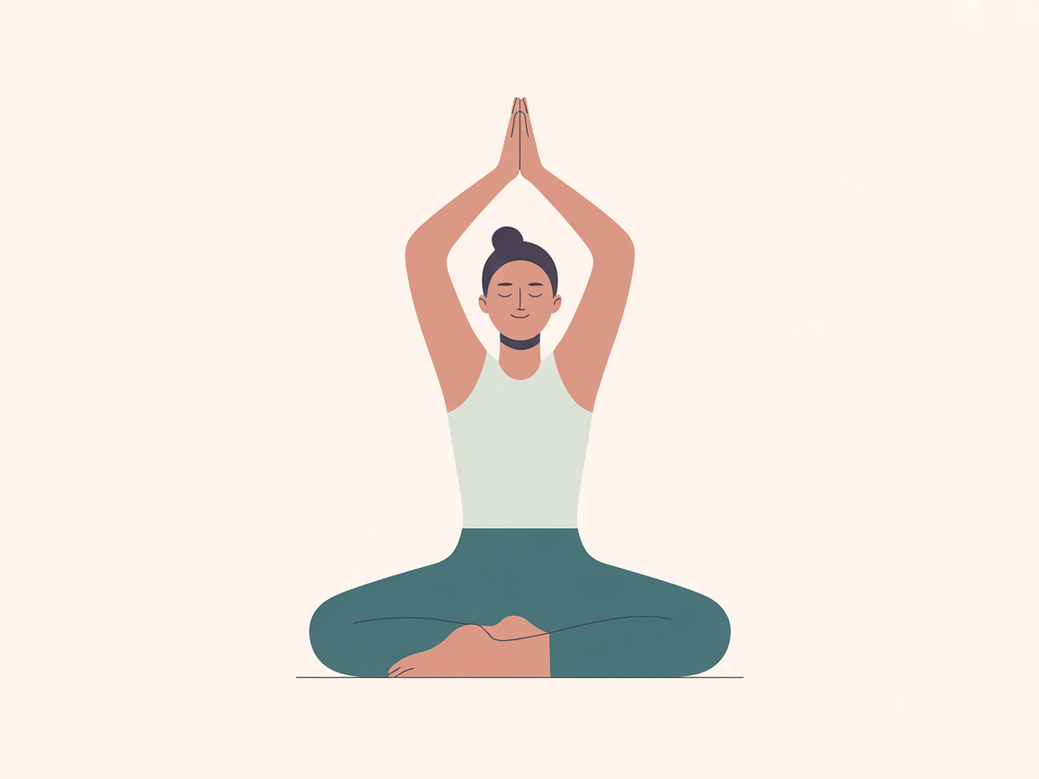
Tadasana, derived from the Sanskrit words ‘Tada’ (mountain) and ‘Asana’ (pose), is a fundamental yoga posture that teaches the art of standing with majestic stillness and unwavering stability. While it may appear as simple as standing, it is a dynamic and active pose that engages muscles throughout your entire body—from the soles of your feet to the crown of your head. It serves as both the starting and ending point for numerous yoga sequences, especially in Vinyasa and Hatha yoga, making it a cornerstone of the practice.
Practicing Tadasana helps cultivate a deep, conscious connection between your mind and body. This principle of mindful awareness is a central theme in the guided sessions available on the Vitalizen App, designed to help you build a strong and resilient foundation for your overall wellness journey.
Core Benefits of a Consistent Tadasana Practice
Integrating Tadasana into your daily routine offers a wealth of benefits that extend far beyond the yoga mat. Because it engages both mind and body, its effects are holistic and transformative. Here are some of the primary advantages:
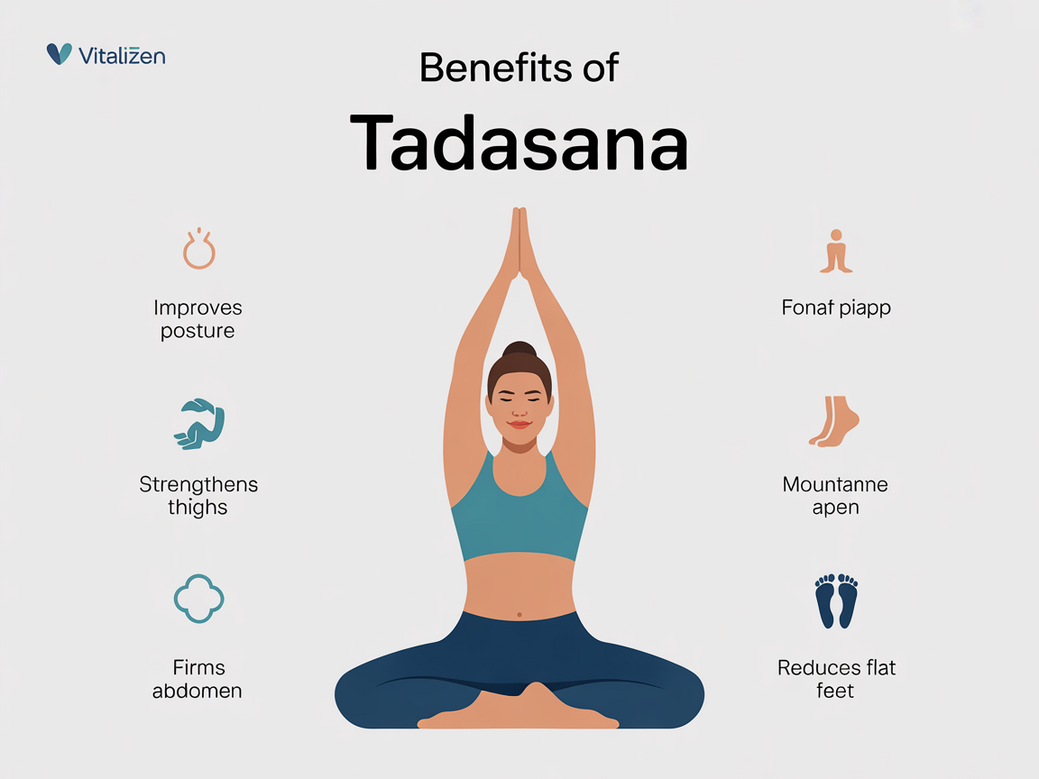
- Dramatically Improves Posture: Tadasana is one of the most effective poses for correcting postural imbalances caused by prolonged sitting and screen time. It strengthens the spine, realigns the shoulders, and promotes a healthy, upright stance that can reduce chronic back pain.
- Strengthens the Lower Body: This pose actively tones the muscles in your thighs, knees, and ankles. Consistently practicing Tadasana builds a solid and stable base for all other physical activities and yoga postures.
- Firms Core Muscles: To hold the pose correctly, you must engage your abdominal muscles. This contributes to a stronger, more stable core, which is vital for maintaining balance and preventing lower back pain, a benefit supported by research from institutions like the National Center for Complementary and Integrative Health.
- Enhances Body Awareness: Tadasana trains you to become more conscious of your body’s position in space (proprioception). This heightened awareness helps you move more mindfully and efficiently in all aspects of your life.
- Reduces Flat Feet: By actively lifting the inner arches of the feet, this powerful pose can help counteract the effects of flat feet and improve overall foot health and function.
- Boosts Focus and Concentration: Holding a still and steady pose requires significant mental focus. This practice calms the mind, alleviates stress, and enhances your ability to concentrate on tasks both on and off the mat.
How to Practice Tadasana: A Step-by-Step Guide
Mastering Tadasana is an exercise in precision and awareness. Follow these detailed steps to ensure you are getting the most out of the pose. Each instruction builds upon the last to create a fully integrated and active posture.
- Ground Your Feet: Begin by standing with your big toes touching and your heels slightly apart. Lift and spread your toes to create a wide, stable base. Press down firmly through the four corners of each foot: the ball of the big toe, the ball of the little toe, and both sides of the heel.
- Engage Your Legs: Activate your quadriceps (thigh muscles) to lift your kneecaps, but be careful to avoid locking your knees. Imagine a current of energy drawing up from your feet through the center of your legs.
- Align Your Hips and Torso: Keep your hips level and centered over your ankles. Gently tuck your tailbone toward the floor to lengthen your lower back and prevent overarching. Elongate your torso by lifting your ribcage away from your hips.
- Position Your Shoulders and Arms: Roll your shoulders up toward your ears, back, and then release them down. This action opens your chest and corrects slouching. Let your arms hang alongside your body with your palms facing forward—a gesture of openness and receptivity.
- Elongate Your Neck and Head: Align your head directly over your shoulders, with your chin parallel to the floor. Feel as though a string is gently pulling the crown of your head toward the sky, lengthening your entire spine from the base to the top.
- Breathe and Hold: Close your eyes or soften your gaze. Take slow, deep, and deliberate breaths. Feel the stability and strength of the pose. Notice the subtle movements as your body naturally maintains its balance. Hold for 30 seconds to a minute, or extend the duration as you build stamina and focus.
Common Mistakes to Avoid in Mountain Pose
- Slouching or rounding the shoulders forward, which closes off the chest.
- Locking the knees, which can strain the joints and inhibit energy flow.
- Leaning too far forward or backward, shifting your weight off-center.
- Holding unnecessary tension in the neck, jaw, or face.
- Forgetting to breathe deeply and consistently throughout the pose.
Modifying Tadasana for Your Unique Needs
Tadasana is accessible to everyone, and it can be easily modified to suit your unique body and experience level. Whether you are a complete beginner or an advanced practitioner, you can adapt the pose to meet you where you are.
Tips for Beginners
If you’re new to yoga, Tadasana is the perfect place to start. To improve balance, try standing with your feet hip-width apart instead of together. You can also practice with your back against a wall to help you feel the correct alignment of your spine and shoulders. For more personalized tips and guided practices, explore the beginner-friendly content on the Vitalizen blog.
Advanced Variations to Deepen Your Practice
Once you feel stable and confident in Tadasana, you can explore variations to deepen the pose and challenge yourself further. One common variation is Urdhva Hastasana (Upward Salute), where you raise your arms overhead with palms facing each other. Another powerful variation is to close your eyes, which significantly challenges your balance and enhances your inner focus and proprioception.
According to a 2026 study from the University of California’s Department of Integrative Medicine, just five minutes of mindful posture practice like Tadasana daily can reduce self-reported back pain by up to 40% in office workers within eight weeks.
Why Tadasana is a Foundational Pose for Life
The principles of Tadasana are principles for a healthier life. This posture teaches you to carry yourself with confidence, grace, and stability, whether you are standing in a queue, delivering a presentation, or simply walking down the street. By practicing Tadasana, you are retraining your body to maintain healthy alignment naturally, which reduces wear and tear on your joints and can prevent chronic pain. This practice is a fantastic way to begin your wellness journey. Are you ready to take the next step?
🎯 **Ready to start?** Start your wellness journey now with personalized guided sessions on the Vitalizen App.
How Much Does It Cost to Practice Tadasana?
One of the most beautiful aspects of Tadasana is that it is completely free. It requires no special equipment, clothing, or gym membership. All you need is a few square feet of space and a willingness to focus your mind. This makes it one of the most accessible and democratic wellness practices available to everyone, everywhere.
Tadasana Alignment Checklist
Use this table to quickly check your alignment points while practicing the pose. A regular check-in ensures you are building good habits and maximizing the benefits of Mountain Pose.
| Body Part | Alignment Cue | Common Mistake |
|---|---|---|
| Feet | Big toes touching, heels slightly apart. Weight is evenly distributed. | Rolling onto the inner or outer edges of the feet. |
| Legs | Quads engaged, kneecaps lifted, without locking the knees. | Knees locked or hyperextended. |
| Spine | Lengthened from the tailbone to the crown of the head. | Arching the lower back or slouching the upper back. |
| Shoulders | Rolled back and down, away from the ears, creating an open chest. | Hunched forward or tensed up toward the ears. |
Frequently Asked Questions (FAQ)
How long should I hold Tadasana?
For beginners, holding the pose for 30-60 seconds is an excellent start. As you become more comfortable, you can extend the duration to several minutes. The key is to focus on your breath and maintain active engagement throughout the body rather than just standing passively. This transforms the pose from simple standing into a powerful meditative practice.
Can I do Tadasana every day?
Absolutely! Tadasana is a safe and highly beneficial pose to practice daily. You can incorporate it into your morning routine to start your day with focus and intention, use it as a mindful break from sitting at your desk to reset your posture, or practice it before bed to release accumulated tension from the day.
What if I have trouble balancing in Tadasana?
If you struggle with balance, try widening your stance to hip-width apart or even wider. You can also practice near a wall for physical and psychological support. Focusing your gaze on a fixed, unmoving point in front of you (known as a ‘drishti’) can also significantly improve stability. The Vitalizen App includes guided meditations that can help improve focus and, consequently, balance.
What muscles does Tadasana work?
Tadasana is a full-body pose. It primarily strengthens the quadriceps, glutes, and the muscles surrounding the ankles. It also deeply engages the core (abdominals and obliques) for stability and works the muscles of the back (erector spinae) to maintain an erect and healthy spine.
Is Tadasana the same as Samasthiti?
The terms are often used interchangeably, but there is a subtle distinction. Tadasana is the name of the pose itself (Mountain Pose). Samasthiti, which translates to ‘equal standing,’ is often used as a cue in Ashtanga yoga to return to this perfectly balanced and neutral state of standing. For most practical purposes in a general yoga class, they refer to the same fundamental posture.
Begin Your Journey with Tadasana Today
Tadasana is far more than just standing; it’s a powerful tool for building a foundation of strength, stability, and mindfulness that will support you in all areas of your life. By integrating this essential pose into your daily routine, you take a significant step towards a healthier, more aligned, and more centered you. The best way to start is simply to stand up right now, plant your feet, and try it.
💡 **Tip:** Curious to learn more about us? Discover What is Vitalizen.app and how our personalized yoga and meditation plans can support your unique goals. If you have any questions, feel free to contact us.
Download the Vitalizen App | Yoga + Meditation today and start your journey to a more balanced and centered life. Your mountain is waiting.