How Yoga and Meditation Can Reduce Your Stress Levels
In our fast-paced 2026 world, stress has become a pervasive challenge, affecting more than 80% of adults, according to recent public health studies. Have you ever wondered how to find a lasting sense of calm amid the chaos? The answer may lie in the ancient, time-tested practices of yoga and meditation. These disciplines offer a powerful, natural path to tranquility by harmonizing your mind and body. This guide explores how you can begin this transformative journey toward effective stress reduction and how the Vitalizen App | Yoga + Meditation can support you every step of the way.
Understanding the Core Practices: What Are Yoga and Meditation?
To appreciate their benefits, it’s essential to understand what these practices entail. While often linked, yoga and meditation are distinct disciplines that complement each other perfectly to enhance mental wellness.
Defining Yoga: More Than Just Poses
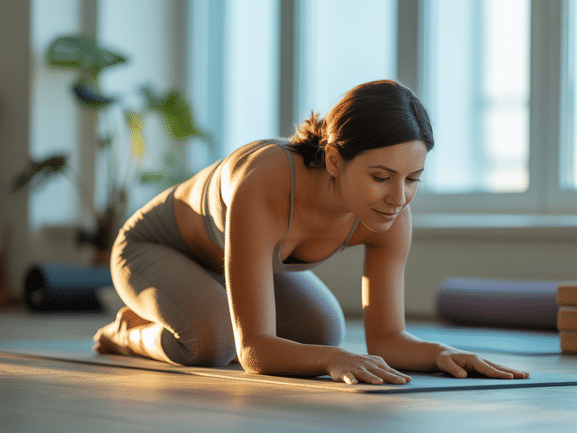
At its core, yoga is a holistic practice that combines physical postures (asanas), controlled breathing techniques (pranayama), and meditation to foster unity between the mind, body, and spirit. It is not merely exercise but a profound method for developing self-awareness and releasing internal tension. While many people turn to yoga to improve flexibility and strength, its most significant benefits are often mental, providing a sanctuary from the pressures of modern life. The physical movements serve as a vehicle for the mind to find stillness and focus.
Defining Meditation: Training the Mind for Clarity
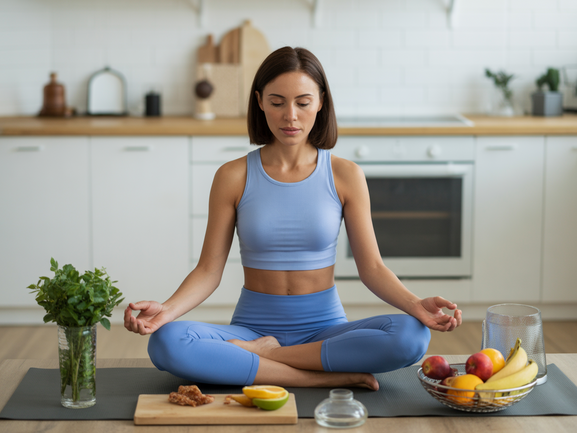
Meditation, on the other hand, is a practice focused specifically on training the mind. It involves cultivating focused attention and awareness to achieve a state of mental clarity and emotional calm. While often practiced as part of a yoga session, meditation is a powerful standalone tool for managing stress, anxiety, and racing thoughts. It’s a proactive approach to mental wellness, allowing you to observe your thoughts without judgment rather than being controlled by them. This practice of mindfulness is key to breaking chronic stress cycles.
The Science of Calm: How Yoga and Meditation Reduce Stress
When you experience stress, your body activates its “fight-or-flight” response, releasing hormones like cortisol and adrenaline. This process increases your heart rate, elevates blood pressure, and creates physical tension. The practices of yoga and meditation work by activating the parasympathetic nervous system, also known as the “rest-and-digest” system. This activation effectively counteracts the stress response, signaling to your body that it is safe to relax and recover.
Key Physiological Changes
- Lowers Cortisol: Consistent practice has been scientifically shown to reduce levels of cortisol, the primary stress hormone, in the bloodstream. Lower cortisol levels are linked to reduced feelings of anxiety and better overall health.
- Boosts Endorphins: Gentle physical activity from yoga and the focused state of meditation stimulate the production of endorphins, which are natural mood-elevating chemicals in your brain.
- Improves Mindfulness: These practices train you to focus on the present moment. This skill, known as mindfulness, helps prevent your mind from dwelling on past regrets or future anxieties, which are major sources of chronic stress.
- Enhances GABA Levels: Research from institutions like Boston University has shown that yoga can increase levels of gamma-aminobutyric acid (GABA), a neurotransmitter that helps calm the nervous system.
According to a 2026 report from the Global Wellness Institute, 75% of adults report moderate to high stress levels, with work-related pressures being the primary cause. This highlights the urgent need for accessible stress-management tools like yoga and meditation.
Getting Started: Your Practical Guide to Yoga and Meditation
Starting your journey with yoga and meditation is simpler than you might think. You don’t need expensive equipment or a lot of time. All you need is a willingness to begin and a little guidance. The Vitalizen App offers guided sessions designed specifically for beginners to make the process easy and enjoyable.
- Set a Clear Intention: Ask yourself why you want to start. Is it to feel calmer, sleep better, or improve focus? Your intention will be your motivation and guide your practice.
- Find a Comfortable Space: You don’t need a special studio. A quiet corner in your home where you won’t be disturbed for a few minutes is perfect for your practice.
- Start Small and Be Consistent: Commit to just 5-10 minutes a day. Consistency is far more important than duration, especially when you are forming a new habit. A short daily practice is more effective than a long weekly one.
- Use Guided Sessions: Following an expert voice can make it much easier to stay focused and learn proper techniques. The Vitalizen app has hundreds of guided yoga and meditation sessions for stress reduction.
- Listen to Your Body: The goal is not to achieve a perfect pose but to connect with your body’s sensations. Move in a way that feels good and never push into pain. This is a practice of self-compassion.
Exploring Different Styles for Stress Relief
Not all yoga is the same. Certain styles are particularly effective for calming the nervous system and promoting relaxation. Here are a few to consider:
- Hatha Yoga: A slower-paced, foundational style that focuses on basic postures and breathing. It’s an excellent entry point for beginners.
- Restorative Yoga: This practice uses props like blankets and bolsters to support your body in comfortable poses, holding them for extended periods to allow for deep relaxation.
- Yin Yoga: A quiet, meditative practice that targets deep connective tissues by holding passive poses for several minutes. It’s highly effective for releasing physical and emotional tension.
The Compounding Benefits of a Consistent Practice
While stress reduction is a primary benefit, a regular yoga and meditation routine offers a wide range of advantages for your overall well-being. These benefits compound over time, leading to a more balanced and resilient state of being. Many users report significant improvements within just a few weeks of consistent practice.
Mental & Emotional Well-being
- Reduced anxiety and symptoms of depression
- Improved emotional stability and regulation
- Greater focus, concentration, and memory
- Enhanced creativity and problem-solving skills
Physical Health Improvements
- Increased flexibility and range of motion
- Improved posture and reduced back pain
- Stronger core and better balance
- Lower blood pressure and improved circulation
Lifestyle Enhancements
- Better sleep quality and reduced insomnia
- More mindful eating habits and digestion
- Improved interpersonal relationships and empathy
> 🎯 **Ready to start your journey?** The **Vitalizen App** provides guided programs tailored for stress reduction. Download today and take the first step towards a calmer you!
How Much Does It Cost to Implement Yoga and Meditation?
One of the greatest advantages of these practices is their accessibility. You can start for free, using resources available online. However, for a more structured, motivating, and effective experience, investing in a tool like the Vitalizen App can provide significant value by offering curated programs, progress tracking, and expert guidance. The cost varies, but the return on investment in your mental and physical health is priceless.
For more insights and guidance, be sure to check out our blog for regular articles, news, tips, and guidance on yoga and meditation.
Frequently Asked Questions (FAQ)
How long until I feel the benefits of yoga and meditation?
While many people report feeling calmer and more centered after their very first session, the most significant benefits come with consistent practice. Generally, practicing a few times a week can lead to noticeable stress reduction within a couple of weeks. The key is consistency, not intensity.
Do I need any special equipment?
No, you don’t need much to start! A comfortable space is all that’s required. While a yoga mat can be helpful for providing cushion and grip, it isn’t essential for beginner exercises. The Vitalizen app provides guidance that you can follow anywhere, anytime, with minimal to no equipment.
What if I’m not flexible?
This is a common concern, but it’s a myth that you need to be flexible to do yoga. In fact, yoga is what helps you *become* more flexible. The goal is not to achieve perfect poses, but to listen to your body and move in a way that feels good to you. Our beginner-friendly programs are the perfect place to start.
What’s the difference between yoga and stretching?
While yoga involves stretching, it is much more comprehensive. Stretching primarily focuses on increasing flexibility in the muscles. Yoga incorporates controlled breathing (pranayama), balance, strength-building, and a mental focus (mindfulness) that are not typically part of a basic stretching routine. It’s a holistic, mind-body practice.
Can I practice meditation if my mind is always busy?
Absolutely. A busy mind is the main reason to practice meditation. The goal isn’t to stop your thoughts, which is impossible, but to change your relationship with them. Guided meditation, like the sessions on the Vitalizen app, teaches you to acknowledge your thoughts without getting carried away by them, gradually leading to a calmer mind.
Your Path to a Calmer Life Awaits
Embracing yoga and meditation is an act of self-care that can profoundly transform your response to stress. It’s a journey of self-discovery, not a destination, and every step you take on the mat counts toward a more peaceful and centered you. Let the Vitalizen App guide you on this path to inner peace.
Have more questions? Feel free to contact us. We’re here to help you on your path to well-being. As validated by research from institutions like the National Institutes of Health (.gov), the benefits of this mind-body practice are well-documented and within your reach.