


Yoga and Meditation: Science-Backed Wellness Practices for Modern Life
In today’s fast-paced world, finding a moment of peace can feel like a luxury. However, what if you could cultivate tranquility and improve your health from within? This is where the ancient practices of yoga and meditation come in. Consequently, they offer a powerful combination to harmonize your mind and body.
Research from 2026 confirms what practitioners have known for millennia: regular mindfulness practice reduces cortisol levels, improves cardiovascular health, and enhances cognitive function. Whether you seek stress relief techniques, improved physical flexibility, or mental clarity, these complementary disciplines deliver measurable results.
Let’s explore how you can start this transformative journey and integrate these wellness practices into your daily routine.
What Are Yoga and Meditation?
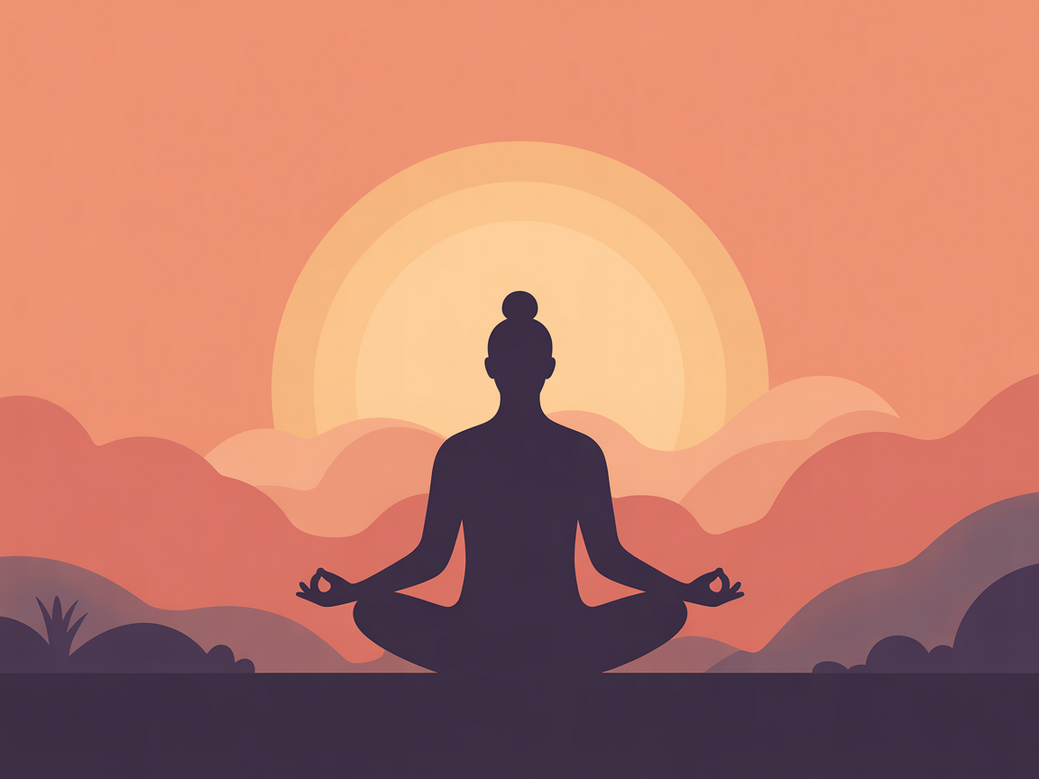
Yoga and meditation represent two sides of the same wellness coin, originating from ancient Indian traditions over 5,000 years ago. Yoga combines physical postures (asanas), breathing techniques (pranayama), and meditative exercises to promote holistic health. Meditation, often integrated into yoga but also practiced separately, involves training attention and awareness through mindfulness or focused concentration.
Together, these practices create a holistic wellness system that addresses the connection between body and mind. While yoga prepares the physical body through movement and breathwork, meditation cultivates mental clarity through stillness and observation.
The Historical Roots of These Practices
Understanding the origins of yoga and meditation helps modern practitioners appreciate their depth. The earliest mentions appear in the Rigveda, with systematic development occurring through the Upanishads and Patanjali’s Yoga Sutras. These texts established the philosophical framework connecting physical postures with mental discipline.
Contemporary neuroscience now validates these ancient wisdom traditions. Brain imaging studies demonstrate that consistent meditative exercises increase gray matter density in the hippocampus and prefrontal cortex while reducing amygdala size—areas associated with learning, memory, and stress response.
Why Combine Yoga and Meditation?
Although often practiced separately, yoga and meditation are deeply connected disciplines. Yoga, through its physical postures and controlled breathing, prepares the body for extended periods of stillness. In contrast, meditation trains the mind to maintain focus and achieve emotional equilibrium. Together, they create a comprehensive approach to wellness that addresses both physiological and psychological health.
Ultimately, this synergy helps you build resilience against chronic stress, enhance self-awareness, and foster a profound sense of inner peace. The Vitalizen App | Yoga + Meditation is designed to guide you through this integrated practice, making wellness accessible anytime, anywhere.
The Mind-Body Connection Explained
Modern psychosomatic research reveals that physical movement combined with breathwork creates optimal conditions for mental stillness. When you practice yoga poses before seated meditation, you release physical tension that might otherwise distract the mind. This sequential approach—movement followed by stillness—represents the most effective pathway to deep meditative states.
Science-Backed Benefits of Regular Practice
Integrating these mindfulness practices into your routine offers numerous advantages, validated by both ancient wisdom and contemporary research. For instance, a study from Harvard Health suggests that even short daily sessions can significantly reduce blood pressure and anxiety markers.
Additionally, research published by the National Institutes of Health demonstrates that regular yoga and meditation practice enhances immune function, improves sleep quality, and reduces inflammation markers throughout the body.
Physical Health Improvements
- Enhanced Flexibility and Strength: Regular yoga postures tone muscles, increase range of motion, and improve joint health. Practitioners typically notice improved mobility within 4-6 weeks of consistent practice.
- Cardiovascular Health: Recent 2026 research indicates measurable improvements in heart health, with blood pressure reductions averaging 10-15 points systolic among regular practitioners.
- Pain Management: Gentle movement combined with breath awareness reduces chronic pain conditions, including lower back discomfort and arthritis symptoms.
- Improved Respiratory Function: Pranayama techniques strengthen lung capacity and oxygen efficiency, benefiting overall vitality.
Mental and Emotional Wellness
- Stress Reduction: Both practices are proven to lower cortisol levels, the body’s primary stress hormone, by up to 35% within eight weeks.
- Enhanced Mental Clarity: Meditation sharpens focus, improves concentration, and increases cognitive flexibility.
- Emotional Regulation: Cultivating mindfulness helps you navigate emotions with greater ease and respond rather than react to challenging situations.
- Neuroplasticity: Meditation increases gray matter density in the brain, potentially slowing age-related cognitive decline and improving memory retention.
“Regular yoga and meditation practice can reduce stress markers by up to 35% within just eight weeks of consistent practice, while simultaneously improving markers of cellular aging.”
— Journal of Alternative and Complementary Medicine, 2026
Are you ready to experience these benefits firsthand? Start your wellness journey now with guided sessions on the Vitalizen App.
Investment Guide: Starting Your Practice
Beginning your yoga and meditation journey doesn’t require significant financial investment. You can start with minimal equipment and free resources, gradually investing in specialized tools as your practice deepens. Understanding the cost structure helps you make informed decisions about your wellness budget.
| Investment Level | Essential Items | Estimated Cost | Best For |
|---|---|---|---|
| Basic | Comfortable clothing, free app, open space | $0 – $50 | Beginners testing the practice |
| Standard | Quality yoga mat, blocks, strap | $50 – $150 | Committed beginners |
| Premium | Yoga mat, blocks, strap, bolster, meditation cushion, app subscription | $150 – $300 | Serious practitioners |
How to Start Yoga and Meditation at Home
Getting started is simpler than you think. Follow these steps to build a sustainable routine:
- Create a Dedicated Space: Choose a quiet corner with natural light and minimal distractions.
- Start Small: Begin with 10-15 minutes daily, combining 5 minutes of yoga warm-up, 5 minutes of breathwork, and 5 minutes of meditation.
- Follow Guided Sessions: Use apps like Vitalizen for structured beginner programs.
- Track Progress: Journal your experiences to note improvements in mood, energy, and flexibility.
Beginner-Friendly Poses and Techniques
- Mountain Pose (Tadasana): Stand tall, grounding your feet, to build posture awareness.
- Child’s Pose (Balasana): Rest and release tension in the back.
- Seated Meditation: Focus on breath for 5 minutes, observing thoughts without judgment.
Conclusion: Embrace Wellness Today
Yoga and meditation offer a timeless path to wellness, now backed by cutting-edge science. By integrating these practices, you unlock profound physical, mental, and emotional benefits. Download the Vitalizen App today and begin your journey to a healthier, more balanced life.
Transform your wellness routine—start now!