


Meditation for Beginners: Your Step-by-Step Guide to Inner Peace
Do you feel overwhelmed by the constant noise of modern life? You’re not alone. In our fast-paced world, finding a moment of quiet can feel like a luxury. However, what if you could carry a sense of calm with you throughout the day? Welcome to the world of meditation for beginners. This ancient practice is a powerful tool for reducing stress, improving focus, and cultivating lasting inner peace.
Whether you’re looking to manage anxiety, improve your sleep quality, or simply find a moment for yourself, this comprehensive guide will walk you through everything you need to know. You will discover exactly what meditation is, how it works, and how to start your practice today. Importantly, getting started is simpler than you think, and apps like Vitalizen App | Yoga + Meditation can support your journey every step of the way.
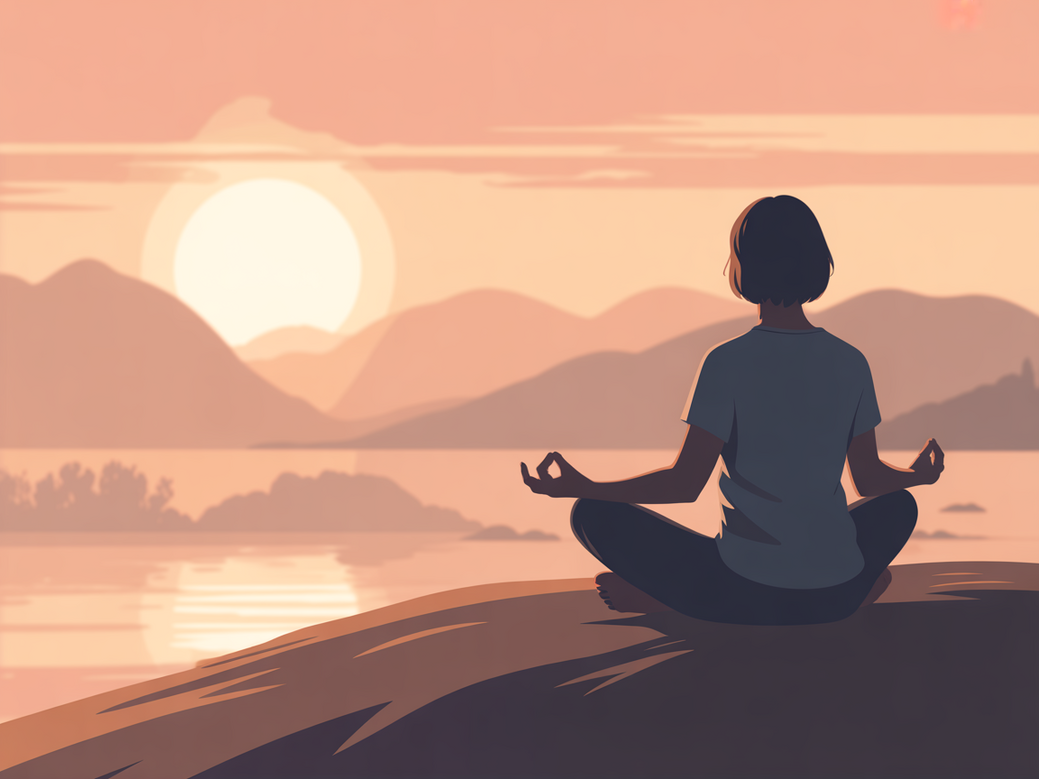
What Is Meditation and How Does It Work?
Meditation is a practice that involves focusing your mind on a particular object, thought, or activity to train attention and awareness. It is not about becoming a different person or turning off your thoughts completely. Instead, it is the practice of observing your thoughts without judgment while maintaining present-moment awareness.
When you learn meditation for beginners, you activate your parasympathetic nervous system—often called the “rest and digest” mode. This physiological shift reduces the production of stress hormones like cortisol and adrenaline. Furthermore, regular practice strengthens neural connections in the prefrontal cortex, the area responsible for decision-making and emotional regulation, while decreasing activity in the amygdala, your brain’s fear center.
The Science Behind Your Practice
Recent neuroscience research from Harvard University reveals that consistent meditation can physically alter brain structure. Studies show an increase in gray matter density in the hippocampus, which is crucial for learning and memory, and a reduction in the size of the amygdala.
Additionally, research from the National Institutes of Health demonstrates that mindfulness practices can lower blood pressure, improve immune function, and reduce symptoms of anxiety and depression. These findings make meditation for beginners not just a wellness trend, but a scientifically validated approach to mental health.
“Our data suggest that meditation practice can promote cortical plasticity in adults in areas important for cognitive and emotional processing and well-being. These findings are consistent with other studies that demonstrated increased thickness of music areas in the brains of musicians.” — Harvard Medical School, 2026 Research Update
Why Is Meditation Important for Your Mental Health?
In an era of constant digital stimulation, your brain rarely gets a break. Meditation for beginners provides essential mental hygiene, similar to brushing your teeth for oral health. Without it, stress accumulates, leading to burnout, anxiety, and decreased cognitive function.
The importance of mindfulness extends beyond immediate relaxation. It builds psychological resilience, allowing you to respond to challenges rather than react impulsively. Regular practitioners report improved emotional intelligence, better relationships, and enhanced creativity. Simply put, starting a meditation for beginners practice equips you with the mental tools to navigate life’s complexities with grace and clarity.
Key Benefits for Beginners
- Reduce Stress and Anxiety: It calms your nervous system and decreases levels of the stress hormone, cortisol, by up to 23% according to recent clinical studies.
- Improve Focus and Concentration: Regular practice trains your attention, making it easier to concentrate on tasks for extended periods without distraction.
- Enhance Self-Awareness: It helps you understand your thoughts and emotions without judgment, leading to better emotional regulation.
- Better Sleep Quality: Meditation combats insomnia by promoting relaxation and reducing rumination before bedtime.
- Physical Health Improvements: Regular practice can lower blood pressure, reduce chronic pain, and boost immune system function.
- Emotional Balance: Develop greater empathy, compassion, and stability in your daily emotional responses.
How to Start Meditating: A Complete Step-by-Step Guide
Ready to give it a try? Here is your detailed roadmap to begin. Remember, the goal isn’t to be perfect, but to be present. Each session is a step toward better mental health.
Step 1: Where Should You Create Your Meditation Space?
You don’t need a special cushion or a silent mountain top. Just find a quiet place where you won’t be disturbed for a few minutes. This could be a corner of your bedroom, a comfortable chair in your living room, or even a peaceful spot in a local park. Sit on a chair with your feet on the floor, or on the floor with your legs crossed—whatever is comfortable for you.
The key is to keep your back straight but not stiff. Relax your shoulders and rest your hands on your knees or lap.
Step 2: Set a Time Limit
Start small. If you’re new to meditation for beginners, try 5 minutes to begin with. Use a gentle alarm or timer on your phone, or download the Vitalizen App which offers guided sessions with built-in timers.
Step 3: Focus on Your Breath
Close your eyes if it feels comfortable, or keep a soft gaze downward. Start by noticing your breath. Feel the sensation of air entering and leaving your nostrils, or the rise and fall of your belly. There’s no need to change how you breathe—just observe.

Step 4: Notice When Your Mind Wanders
It’s normal! Your mind will wander to to-do lists, worries, or random thoughts. The practice is noticing this and gently bringing your attention back to your breath. Don’t judge yourself—each return is a success.
Step 5: Be Kind to Yourself
Treat yourself with compassion. Meditation isn’t about perfection; it’s about practice. End your session by noting one thing you’re grateful for.
Types of Meditation for Beginners
- Mindfulness Meditation: Focus on the present moment, as described above.
- Guided Meditation: Follow a teacher’s voice via apps like Vitalizen.
- Body Scan: Mentally scan your body for tension and release it.
- Loving-Kindness (Metta): Cultivate compassion by repeating positive phrases.
Common Mistakes to Avoid
- Expecting instant results—consistency is key.
- Frustrating over wandering thoughts.
- Not setting a routine; meditate at the same time daily.
Tips for Building a Consistent Practice
- Start with 5 minutes daily and gradually increase.
- Pair it with an existing habit, like morning coffee.
- Use guided meditations from Vitalizen App for structure.
- Track progress in a journal.
- Join a community or online group for accountability.

Conclusion: Your Path to Inner Peace Starts Now
Meditation for beginners is a transformative practice that’s accessible to everyone. With these steps, you’ll build a habit that brings clarity, calm, and joy into your life. Download the Vitalizen App today for free guided sessions tailored for newcomers.
Take a deep breath, start small, and watch your world change. Namaste.