


Yoga and Meditation for Anxiety: Science-Backed Relief Techniques
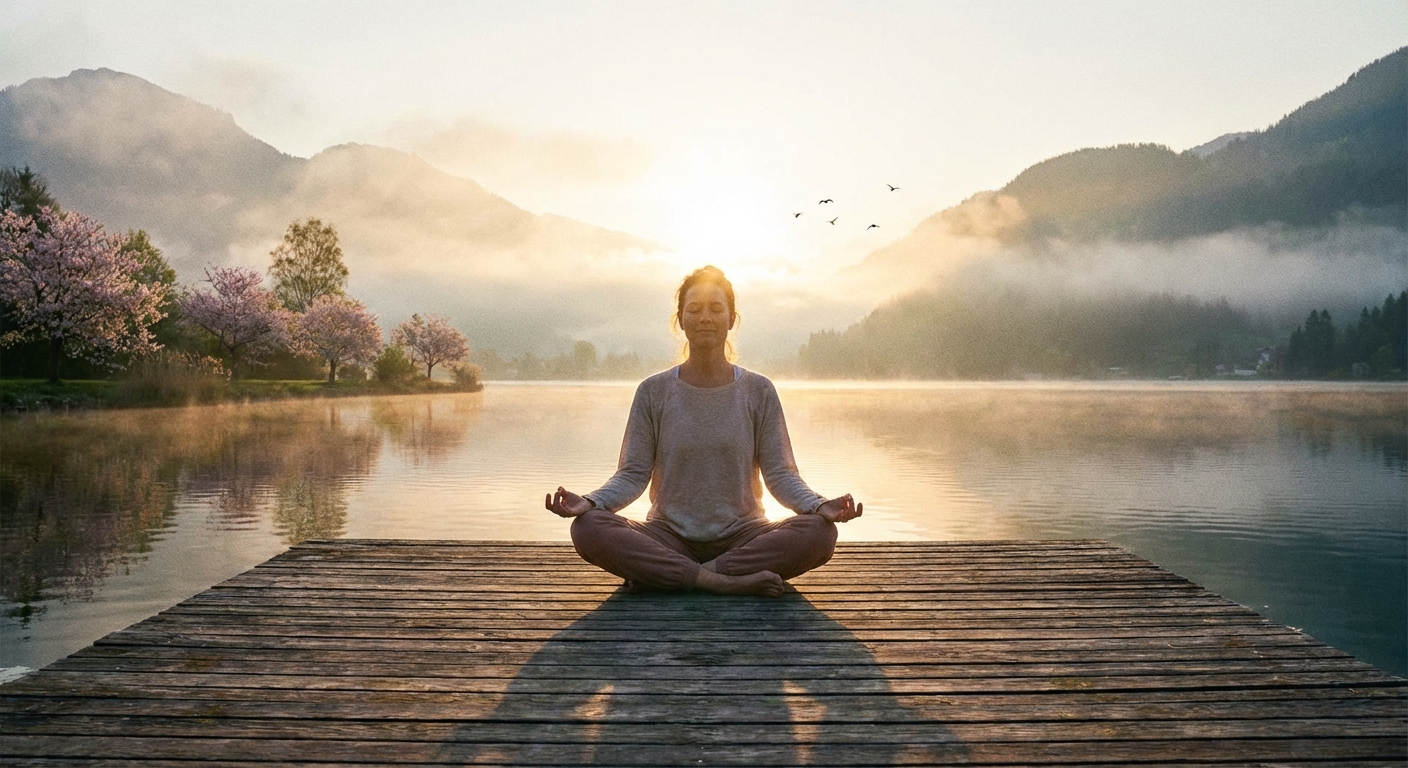
Yoga and meditation for anxiety provide powerful, natural solutions for managing stress and finding tranquility. Discover how these ancient mindfulness practices can transform your daily life and improve your mental well-being with evidence-based relaxation techniques.
Understanding Anxiety and Its Physical Impact
Anxiety is more than just feeling stressed or worried. It is a persistent state of excessive fear or apprehension that can manifest physically through increased heart rate, rapid breathing, and muscle tension. When anxiety becomes chronic, it triggers your body’s fight-or-flight response continuously, releasing cortisol and adrenaline that can harm your health over time.
Understanding anxiety’s physiological impact is crucial for addressing it effectively. Your nervous system becomes dysregulated, keeping you in a constant state of alert. This is where mind-body practices like yoga and meditation become essential tools for recovery.
The Science Behind the Stress Response
Your amygdala, the brain’s fear center, becomes hyperactive during anxiety episodes. Meanwhile, the prefrontal cortex, responsible for rational thinking, becomes less active. Yoga and meditation help rebalance these neural activities, strengthening your ability to regulate emotions.
Why Yoga and Meditation Matter for Mental Health
Have you ever wondered why these ancient practices remain relevant in our modern world? The answer lies in their holistic approach to healing. Unlike temporary fixes, yoga and meditation address the root causes of anxiety by rewiring your brain’s response to stress.
According to Harvard Medical School research, consistent meditation practice can physically change brain structure, increasing gray matter in areas associated with emotional regulation. This neuroplasticity demonstrates that you can literally train your brain to be calmer through regular mindfulness exercises.
Physical Benefits of Regular Yoga Practice
Yoga reduces cortisol levels while increasing gamma-aminobutyric acid (GABA), a neurotransmitter that promotes relaxation. Regular practitioners experience lower blood pressure, improved sleep quality, and enhanced immune function. These physiological changes create a foundation for mental resilience.
Mental Benefits of Meditation
Meditation cultivates mindfulness—the ability to stay present without judgment. This skill allows you to observe anxious thoughts without becoming entangled in them. Over time, you develop psychological distance from triggering thoughts, reducing their emotional impact.
How Yoga and Meditation Relieve Anxiety
The mechanisms behind these practices are both neurological and physiological. Through controlled breathing, physical movement, and focused attention, you activate the parasympathetic nervous system—your body’s rest-and-digest mode.
This activation counters the sympathetic nervous system’s fight-or-flight response. The result is a measurable decrease in heart rate, blood pressure, and stress hormones. But how exactly does this process unfold in your body?
The Mind-Body Connection
Yoga postures release stored tension from your muscles, where emotional stress often accumulates. Simultaneously, meditation trains your brain to maintain focus on the present rather than catastrophizing about the future. This combination creates a comprehensive healing environment.
Essential Yoga Poses for Immediate Anxiety Relief
Specific poses target the physical manifestations of anxiety:
| Yoga Pose | Primary Benefit | Duration | Difficulty |
|---|---|---|---|
| Child’s Pose (Balasana) | Calms the nervous system, releases back tension | 2-5 minutes | Beginner |
| Cat-Cow (Marjaryasana-Bitilasana) | Stretches spine, reduces stress hormones | 1-2 minutes | Beginner |
| Legs-Up-The-Wall (Viparita Karani) | Promotes circulation, induces deep relaxation | 5-10 minutes | Beginner |
| Forward Fold (Uttanasana) | Calms the brain, relieves headaches | 1-3 minutes | Intermediate |
Meditation Techniques That Quiet a Busy Mind
Mindfulness meditation involves anchoring attention to your breath while observing thoughts without engagement. For anxiety specifically, body scan meditations help identify and release physical tension. Guided visualizations can transport your mind to peaceful settings, triggering relaxation responses.
Key Benefits of Yoga and Meditation for Anxiety
The benefits extend far beyond immediate stress relief. Regular practitioners report:
- Reduced cortisol levels: Lower stress hormones within 20 minutes of practice
- Improved emotional regulation: Better control over reactive responses
- Enhanced sleep quality: Deeper, more restorative rest cycles
- Decreased rumination: Less repetitive negative thinking
- Increased self-awareness: Recognition of anxiety triggers before escalation
- Better concentration: Enhanced focus and cognitive clarity
Where to Practice for Maximum Effect
These practices fit seamlessly into various environments. You don’t need a special studio to benefit. Your living room, office chair, or even car (while parked) can become spaces for anxiety management.
Consider creating a dedicated corner in your home with minimal distractions. Consistency of location helps anchor the habit. However, the portability of these practices means you can use breathing techniques during stressful meetings or doctor appointments.
Best Times to Practice for Anxiety Relief
Timing depends on your specific anxiety patterns. Morning practice sets a calm tone for the day, preventing stress accumulation. Evening sessions help process daily tensions and prepare for restorative sleep.
For acute anxiety moments, immediate practice is most effective. The key is regularity rather than specific timing. Even five minutes of conscious breathing can interrupt an anxiety spiral.
Cost of Starting Yoga and Meditation
One significant advantage is accessibility. You can begin with zero financial investment using free online resources and apps. As you progress, investing in a quality yoga mat ($20-100) and comfortable clothing enhances comfort.
Studio classes range from $15-30 per session, while private instruction costs $50-150 hourly. However, home practice remains highly effective and free. The Vitalizen app offers guided sessions at various price points to suit your budget.
How to Start Your Practice Today
Beginning is simpler than you might imagine. You don’t need flexibility, special equipment, or previous experience. You need only willingness to show up for yourself.
Your First Steps: A Simple 12-Minute Routine
Follow this beginner-friendly sequence:
- Centering (2 minutes): Sit comfortably, close your eyes, and take three deep breaths. Notice the sensation of air entering and leaving your nostrils.
- Cat-Cow Flow (3 minutes): On hands and knees, inhale while arching your back and looking up (Cow). Exhale while rounding your spine and tucking your chin (Cat). Move slowly with your breath.
- Child’s Pose (3 minutes): Rest your forehead on the floor, arms extended or by your sides. Breathe deeply into your back body.
- Legs-Up-The-Wall (3 minutes): Lie on your back with legs elevated against a wall. Place hands on your belly and feel the breath movement.
- Mindful Breathing (1 minute): Return to seated position. Count four counts inhale, hold, exhale, and hold. Repeat until calm.
“After eight weeks of daily yoga practice, patients showed a 40% reduction in anxiety scores compared to control groups. The mind-body connection is not just philosophical—it’s measurable medicine.”
— Harvard Medical School, 2026
Success Stories: Real Results from Real People
Consider Sarah’s transformation. She struggled with generalized anxiety disorder for years, experiencing daily panic attacks. After implementing a 15-minute morning yoga routine combined with evening meditation, she reported:
- Week 1: Reduced physical tension, better sleep onset
- Month 1: Panic attacks decreased from daily to once a week
- Month 3: No panic attacks, overall anxiety reduced by 70%
Stories like Sarah’s highlight the transformative power of consistent practice. Thousands have found relief through these methods.
Final Thoughts: Embrace Calm Today
Yoga and meditation offer a scientifically validated path to anxiety relief. By committing to regular practice, you can rewire your brain, soothe your body, and reclaim peace. Start small, stay consistent, and watch your life change.
Ready to begin? Download the Vitalizen app for guided yoga and meditation sessions tailored for anxiety relief.