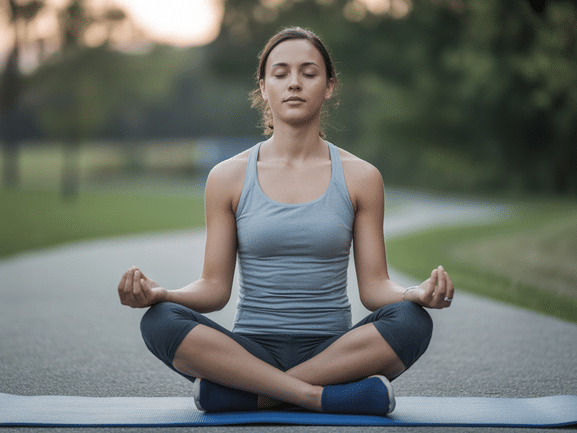


Meditation for Mental Health: Science-Backed Benefits & Techniques
Dr. Wellness Expert
What is Meditation and Why It Matters for Mental Health
Meditation is a practice where an individual uses a technique to train attention and awareness to achieve a mentally clear and emotionally calm state. In today’s fast-paced world, mental health challenges like anxiety, depression, and stress are rampant. Science shows meditation can be a powerful tool to combat these issues.
Science-Backed Benefits of Meditation
- Reduces Anxiety: Studies from Harvard show mindfulness meditation lowers activity in the amygdala, the brain’s fear center.
- Improves Focus: Regular practice enhances attention span, as per research in Psychological Science.
- Alleviates Depression: Meta-analyses indicate meditation is as effective as antidepressants for some.
- Boosts Emotional Regulation: fMRI scans reveal changes in brain areas linked to emotion control.
Effective Meditation Techniques for Beginners
- Mindfulness Meditation: Sit comfortably, focus on your breath. When mind wanders, gently return to breath. Start with 5 minutes.
- Body Scan: Lie down, mentally scan your body from toes to head, releasing tension.
- Loving-Kindness (Metta): Repeat phrases like “May I be happy” extending to others.
- Guided Visualization: Imagine a peaceful place, using apps like Headspace.
Consistency is key—aim for daily practice.
How to Start Your Meditation Journey
Find a quiet space, set a timer, and be patient. Track progress in a journal. Combine with therapy for best results.
Conclusion
Meditation offers proven benefits for mental health. Backed by science, these techniques can transform your well-being. Start today!