

Yoga and Meditation for Anxiety: A Science-Backed Guide to Finding Calm
Anxiety affects over 40 million adults in the United States alone, making it one of the most prevalent mental health challenges in our fast-paced modern world. If you have ever felt your heart racing before an important meeting, experienced persistent worry that disrupts your sleep, or struggled with overwhelming nervousness in social situations, you are not alone. The good news is that natural, evidence-based solutions exist to help you regain control of your mental state and restore inner peace.
Yoga and meditation for anxiety represent powerful, time-tested approaches to managing symptoms without relying solely on medication. These ancient practices work synergistically to calm your nervous system, rewire stress responses, and cultivate lasting emotional resilience. By dedicating just a few minutes daily to these techniques, you can significantly reduce cortisol levels, improve heart rate variability, and enhance your overall quality of life.
Ready to transform your relationship with anxiety? This comprehensive guide explores exactly how these practices work, why they are effective, and how you can implement them starting today.
The Science Behind Yoga and Meditation for Anxiety Relief
Modern research validates what yogis have known for millennia. A 2018 meta-analysis published in the Journal of Psychiatric Research found that mindfulness-based interventions, including meditation, significantly reduce anxiety symptoms with moderate to large effect sizes. Similarly, a study in the Frontiers in Immunology showed that yoga practice lowers inflammatory markers associated with chronic stress.
These practices activate the parasympathetic nervous system (your “rest and digest” mode), countering the fight-or-flight response driven by the sympathetic system. fMRI studies reveal that regular meditation increases activity in the prefrontal cortex, enhancing emotional regulation, while yoga improves GABA levels, a neurotransmitter that promotes calm.
Best Yoga Poses for Anxiety
Incorporate these beginner-friendly poses into your routine:
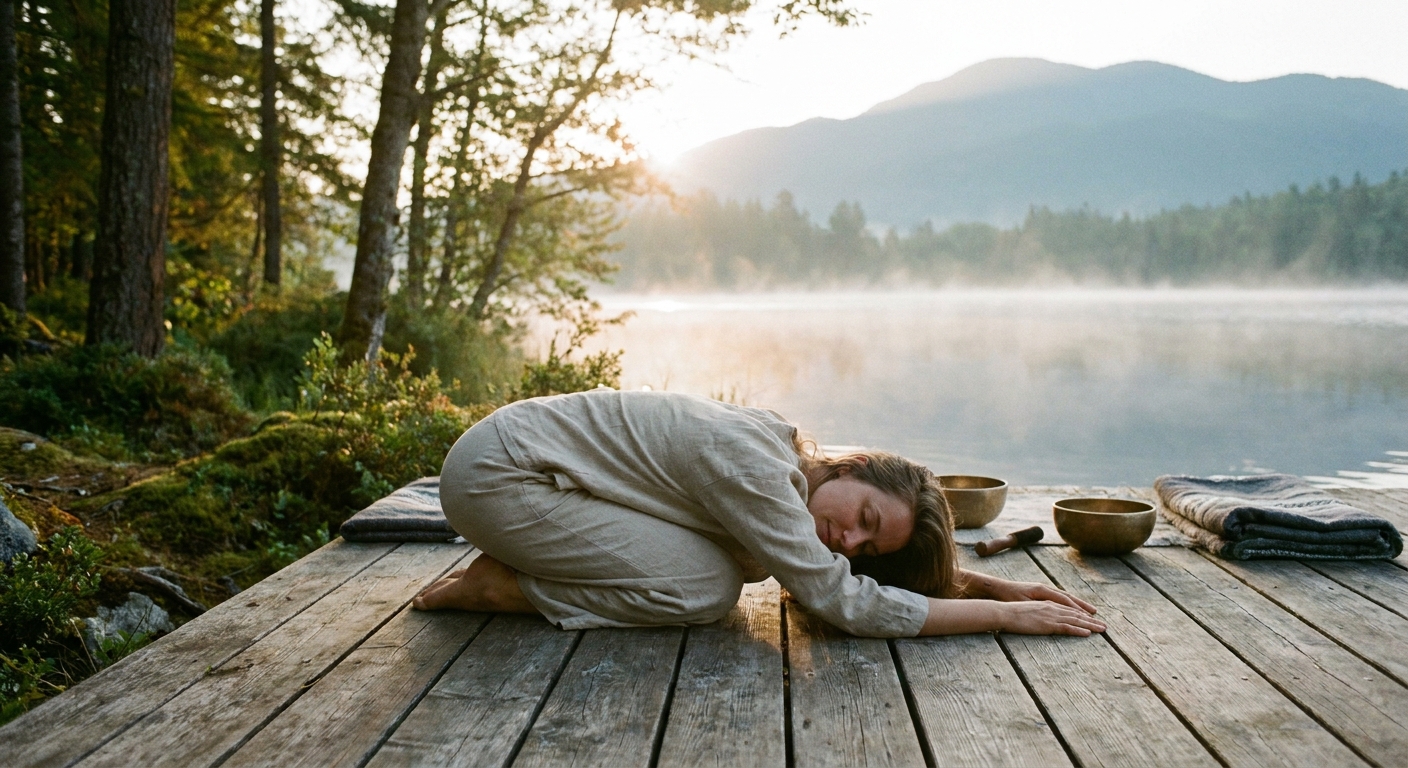
- Child’s Pose (Balasana): Kneel, fold forward, arms extended. Hold for 5 breaths to release tension.
- Legs-Up-the-Wall (Viparita Karani): Lie on back, legs up wall. Ideal for evening wind-down.
- Cat-Cow Pose (Marjaryasana-Bitilasana): On all fours, alternate arching and rounding spine. Sync with breath.
- Corpse Pose (Savasana): Lie flat, relax fully. Perfect meditation integration.
Effective Meditation Techniques for Anxiety
Start simple:
- Breath Awareness: Sit comfortably, focus on natural breath for 5-10 minutes.
- Body Scan: Mentally scan from toes to head, releasing tension.
- Loving-Kindness (Metta): Repeat phrases like “May I be safe and at ease.”
- Guided Visualization: Imagine a peaceful place, engaging all senses.
Your Daily Routine: 15-Minute Yoga + Meditation Sequence
- 3 minutes breath awareness.
- 5 minutes yoga flow: Cat-Cow, Child’s Pose, Legs-Up-the-Wall.
- 5 minutes body scan or Metta.
- 2 minutes Savasana.
Consistency is key—studies show benefits in as little as 8 weeks.
Potential Challenges and Tips
Your mind may wander; gently return to breath. If anxiety spikes, shorten sessions. Consult a doctor for severe cases, and consider apps like Headspace or Insight Timer.
Embrace yoga and meditation for anxiety as lifelong tools. With science on your side, calm is within reach.