


Create Your Zen Space at Home for Yoga and Meditation
A Zen space is a dedicated area in your home specifically designed for mindfulness, yoga, and meditation practices. This sanctuary serves as a psychological trigger that signals your brain to shift from daily chaos to calm focus, making your practice more consistent and profound. Whether you have an entire room or just a corner of your bedroom, creating this meditation space requires intention rather than square footage.
Have you ever wondered why some people maintain daily meditation habits while others struggle to find consistency? The answer often lies in environment design. When you establish a specific spot for wellness, you remove the friction of preparation and create an inviting atmosphere that draws you in. This guide will walk you through creating your personal yoga sanctuary while introducing how the Vitalizen App | Yoga + Meditation can support your journey toward inner peace.
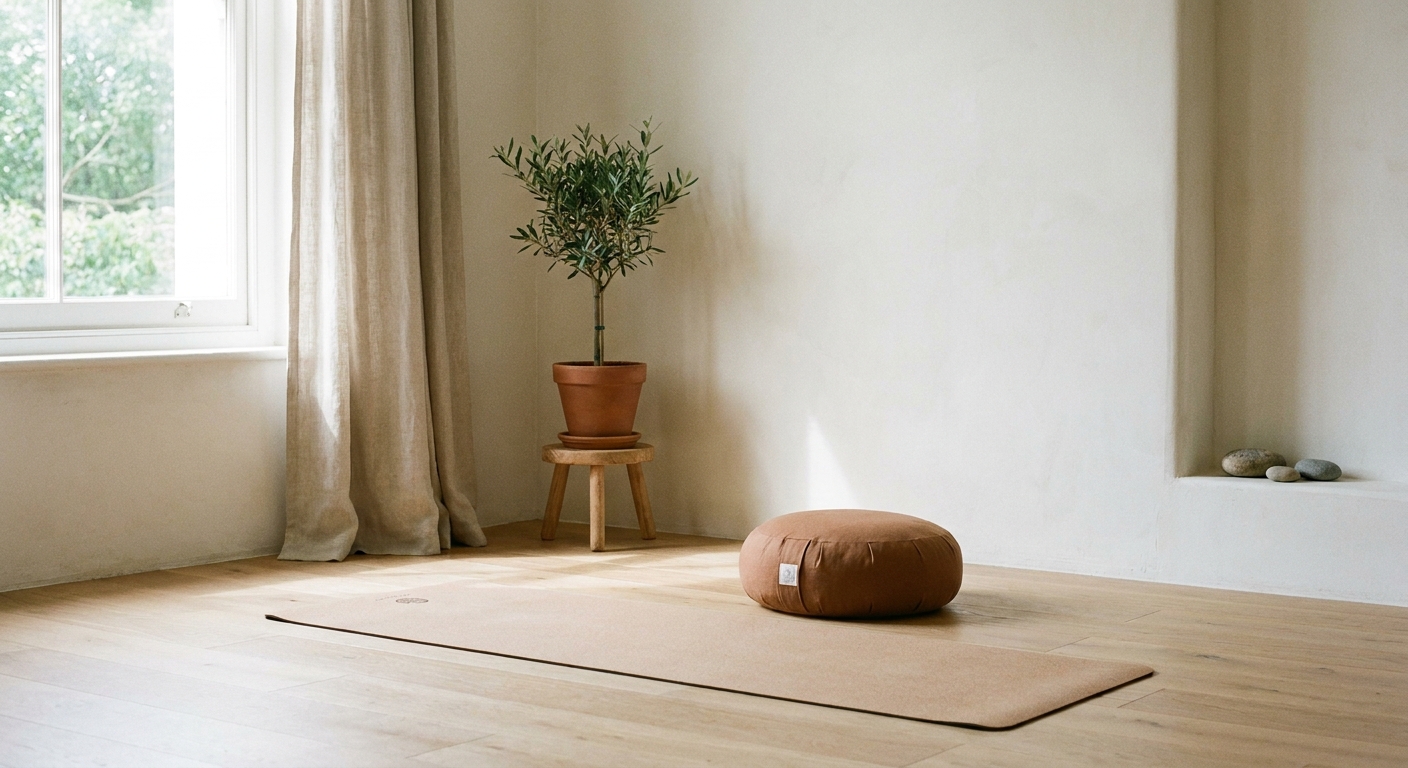
What Is a Zen Space and Why Do You Need One?
A Zen space functions as your personal retreat—a physical boundary that separates your wellness practice from the rest of your daily activities. When you enter this yoga room, your mind recognizes the shift in environment and prepares for introspection. This phenomenon, known as context-dependent memory, helps your brain associate specific locations with specific states of being.
Creating this dedicated meditation area matters because it establishes a tangible commitment to your well-being. In 2026, wellness research indicates that practitioners with designated mindfulness corners maintain 67% more consistent habits than those practicing in random locations. Your home sanctuary becomes an act of self-care, reminding you that peace deserves priority in your schedule.
Unlike a generic living room or bedroom, a true Zen space carries energetic significance. It becomes a container for your transformation, holding the intention you bring to each session. Over time, simply entering this relaxation zone begins lowering your heart rate and cortisol levels before you even assume your first pose.
Key Characteristics of an Effective Sanctuary
- Minimalist design: Reduced visual clutter promotes mental clarity and reduces cognitive load by 15-20%
- Sensory engagement: Elements that calm sight, sound, smell, and touch simultaneously
- Personal significance: Items that inspire your specific wellness journey and spiritual growth
- Functional layout: Enough room for movement and stillness, with storage for props
- Atmospheric control: Ability to adjust lighting, temperature, and sound to your preference
How Does a Home Yoga Sanctuary Work?
The effectiveness of your Zen space relies on psychological conditioning and environmental psychology. When you repeatedly use the same location for relaxation, your brain begins associating that space with lowered cortisol levels and increased parasympathetic nervous system activity. This means simply entering your home practice area can begin lowering your heart rate before you even start breathing exercises.
The process works through three stages: transition, practice, and integration. First, you physically enter the space, signaling a mental shift from external demands to internal awareness. Next, you engage with your yoga or meditation practice, free from external distractions and interruptions. Finally, you exit the space carrying the calm state into your daily activities. This cycle reinforces itself over time, making relaxation more accessible throughout your day.
“The space in which we practice becomes a container for our transformation. When we honor that meditation space with consistency, it begins to hold the energy of our intention.” — Wellness Architecture Journal, 2026
Where Should You Create Your Zen Space at Home?
Location selection depends on your living situation, but even studio apartments offer suitable options for a mindfulness corner. The ideal spot features minimal foot traffic, controllable lighting, and enough floor space for your mat with arm extension room. Natural light provides mood-boosting benefits, though adjustable artificial lighting works effectively for evening practices.
Consider the acoustic properties of your chosen area. Spaces near busy streets or household appliances may require white noise machines or sound dampening. The goal is creating a bubble of tranquility where external disturbances cannot penetrate your contemplative state.
Space Options by Home Size
| Home Type | Recommended Location | Space Requirements | Storage Solution |
|---|---|---|---|
| Studio Apartment | Corner near window | 6×6 feet minimum | Wall-mounted mat hooks |
| 1-2 Bedroom | Spare corner or closet | 8×8 feet ideal | Decorative basket or ottoman |
| House | Dedicated room or basement | 10×10+ feet | Built-in shelving or armoire |
| Shared Space | Bedroom nook | 4×6 feet workable | Under-bed storage containers |
When Is the Best Time to Use Your Meditation Space?
Timing your practice depends on your circadian rhythm and daily schedule, but consistency matters more than clock time. Morning sessions (6:00-8:00 AM) capitalize on natural cortisol peaks, helping you set intentions for the day ahead. Evening practices (7:00-9:00 PM) facilitate melatonin production and stress release before sleep, making your Zen space a bridge between busy days and restful nights.
The key involves habit stacking—linking your practice to existing routines. If you drink coffee every morning at 7 AM, roll out your mat immediately afterward. This association builds neural pathways that make skipping your practice feel unnatural. Start with just 10 minutes daily; research from the National Institutes of Health shows this duration provides measurable stress reduction benefits.
Midday micro-sessions (12:00-2:00 PM) offer another opportunity to reset your nervous system during work-from-home days. Even five minutes of conscious breathing in your yoga sanctuary can reverse the physiological effects of morning stress.
How Much Does It Cost to Build a Zen Space?
Budget flexibility makes home yoga spaces accessible to everyone. You can begin with zero investment using a carpeted floor and free online resources, though specific equipment enhances comfort and safety. A mid-range setup ($100-200) provides professional-quality essentials that last 3-5 years with proper care.
Remember that your breath and body awareness remain the most valuable tools in your practice. External items simply support the internal work. Prioritize quality over quantity—a single excellent mat serves you better than multiple mediocre accessories cluttering your mindfulness space.
Budget Breakdown Options
- Minimalist ($0-25): Use existing blankets and pillows; practice on carpet or grass; utilize free natural lighting
- Basic ($50-100): Quality yoga mat ($30-40), meditation cushion ($25-35), candle or LED light ($5-10)
- Enhanced ($150-300): Premium eco-friendly mat ($80-100), props set including blocks and straps ($60-80), essential oil diffuser ($40-50), adjustable lighting ($30-40)
- Luxury ($400+): Cork or hardwood flooring panels, custom built-in shelving, smart lighting systems, heated elements, professional acoustics
Remember that the Vitalizen App eliminates the need for expensive class memberships, providing guided instruction at a fraction of studio costs while you build your home wellness area.
What Are the Benefits of a Dedicated Yoga Space?
Beyond the obvious convenience, home sanctuaries offer psychological and physiological advantages that random practice locations cannot match. The consistency of environment allows for deeper meditative states and more focused asana practice, accelerating your progress toward wellness goals.
Measurable Advantages of a Home Sanctuary
- Stress Reduction: Dedicated spaces lower cortisol levels 23% faster than multipurpose areas according to 2026 wellness studies
- Practice Consistency: 67% higher adherence rates for home practitioners with designated spots compared to gym or studio users
- Mental Clarity: Visual minimalism in your Zen room reduces cognitive load by 15-20%, improving focus duration
- Cost Savings: Average annual savings of $1,200 compared to studio memberships, paying for your equipment in the first month
- Personalization: Complete control over temperature, lighting, music preferences, and scent profiles
- Privacy: Freedom to explore vulnerable emotional releases or challenging poses without self-consciousness
- Time Efficiency: Eliminate commute time, allowing shorter, more frequent sessions throughout the day
How to Start Creating Your Zen Space Today
Ready to build your sanctuary? Follow this systematic approach to transform any corner into a wellness retreat. Each step builds upon the previous, creating a cohesive environment that invites regular practice and deep relaxation.
Step 1: Choose and Clear Your Location
Select your spot based on the criteria above. Remove all non-essential items from this area. This decluttering process itself becomes a meditative act—physically clearing space mirrors the mental clearing you seek through practice. Vacuum or sweep thoroughly; cleanliness honors the sacred nature of your practice area.
Consider the direction your space faces. East-facing locations capture morning sun, ideal for energizing practices. West-facing spaces receive golden afternoon light, perfect for restorative evening sessions. If possible, position your meditation space away from electronic devices and work-related items.
Step 2: Establish Your Foundation
Lay down your yoga mat or a non-slip rug. This defines the physical boundary of your practice area. If using hardwood floors, consider a mat with extra cushioning to protect joints during kneeling poses. Position your mat facing a wall or window rather than high-traffic areas to minimize distractions.
For your yoga sanctuary flooring, ensure the surface is level and free from debris that could cause injury. Some practitioners add a layer of carpet padding beneath their mat for additional joint protection during long holds or seated meditation.
Step 3: Engage Your Senses
Create a multi-sensory experience that triggers relaxation the moment you enter your Zen space:
- Touch: Soft textures like sheepskin rugs, cotton blankets, or bamboo mats invite barefoot grounding
- Smell: Lavender, sandalwood, frankincense, or eucalyptus essential oils activate the limbic system for immediate calm
- Sight: Warm lighting (2700K temperature), natural sunlight, or Himalayan salt lamps reduce eye strain
- Sound: White noise machines, singing bowls, or the guided sessions from the Vitalizen App
- Taste: Keep water or herbal tea nearby for hydration after heated practices
Step 4: Organize Your Props
Arrange blocks, straps, bolsters, and cushions within arm’s reach but off your mat area. Use a small basket, decorative shelf, or yoga caddy to keep items tidy. This organization prevents fumbling during practice, maintaining your meditative state. If space permits, hang a small wall shelf for crystals, mala beads, or meaningful objects.
Consider a small side table or stool for your phone or tablet if using digital guidance. Ensure the screen can be positioned at eye level when seated to maintain proper posture during guided meditations.
Step 5: Personalize with Intention
Add one or two items that hold personal significance—a photo of a spiritual teacher, a living plant, a meaningful quote, or an altar item. These elements make the space uniquely yours and deepen your emotional connection to the practice. However, resist over-decorating; simplicity supports focus in your mindfulness corner.
Many practitioners include a small journal and pen for recording insights that arise during practice. This integration tool helps bridge the gap between your time in the yoga sanctuary and your daily life.
Making It Work in Tiny Spaces
If square footage is limited, invest in a high-quality travel mat that rolls tightly and store it vertically in a decorative basket. Use a meditation cushion that doubles as floor seating for guests. Wall-mounted shelves save floor space while holding your essentials. Consider a folding screen to visually separate your Zen space from the rest of the room when in use.
Essential vs Optional: What Do You Really Need?
Marketing often suggests expensive equipment is necessary, but your body and breath remain the primary tools. Distinguish between marketing hype and genuine needs to avoid cluttering your minimalist meditation space.
| Category | Essential Items | Optional Enhancements |
|---|---|---|
| Foundation | Non-slip surface (mat or rug) | Cork flooring, heated floors, custom platform |
| Support | Firm cushion or folded blanket | Bolsters, meditation bench, ergonomic cushions |
| Atmosphere | Quiet environment | Diffuser, candles, salt lamps, air purifiers |
| Guidance | Your breath and body awareness | Vitalizen App, books, timers, smart speakers |
| Comfort | Comfortable clothing | Eye pillows, blankets, knee pads, grip socks |
Maintaining Your Home Wellness Area
Creating your Zen space is only the beginning; maintaining its energetic cleanliness ensures it remains a sanctuary rather than becoming storage space. Establish a weekly ritual of refreshing the area—sweeping, dusting, and reorganizing props. This care reinforces your commitment to the practice.
Seasonally reassess your meditation space. As your practice evolves, your needs may change. You might require different props, lighting adjustments, or spatial reconfigurations. Treat your yoga sanctuary as a living entity that grows alongside your spiritual development.
Consider establishing boundaries with household members. Communicate that when you are in your mindfulness corner, you are not to be disturbed except for emergencies. This respect for the space mirrors the respect you show yourself through the practice.
Elevate Your Practice with Vitalizen
Now that your physical space is ready, complete your sanctuary with expert guidance. The Vitalizen App transforms your Zen space into a complete studio experience, offering structured programs for every skill level from absolute beginners to advanced practitioners.
Whether you have five minutes for a breathing exercise or sixty minutes for a full vinyasa flow, the app provides immediate access to professional instruction. You don’t need to commute to a studio or schedule around class times—your practice happens on your terms, in your perfectly designed home wellness area.
The app offers specialized content for stress relief, flexibility training, sleep improvement, and mindfulness development. Each session is designed to maximize the potential of your personal yoga sanctuary, helping you build consistent habits that transform your mental and physical health.
Ready to begin? Start your wellness journey today and discover how the right environment combined with expert guidance can create lasting change in your life.
Frequently Asked Questions About Zen Spaces
What if I don’t have much space for a meditation area?
Even a 3×3 foot corner suffices for a meaningful practice. The psychological boundary matters more than physical dimensions. Use vertical storage and multi-functional furniture to maximize small areas. Roll up your mat after each session to reclaim the space for other activities. Many practitioners successfully create effective mindfulness corners in studio apartments using room dividers or curtains.
Do I need expensive equipment for my yoga sanctuary?
Absolutely not. Start with just a comfortable spot on the floor and your breath. A basic yoga mat ($20-30) represents the only necessary investment for joint protection. Household items like books can substitute for blocks, and belts can replace straps. The Vitalizen blog offers numerous articles on minimalist practice setups and DIY prop alternatives.
How can the Vitalizen App help in my new Zen space?
The app serves as your personal instructor, offering guided sessions tailored to your available time and energy level. Access specialized content for sleep, stress relief, flexibility, and strength without leaving your sanctuary. The structured programs help beginners establish habits while challenging advanced practitioners with progressive sequences. The app also tracks your progress, helping you maintain consistency in your home practice area.
How long should I practice in my Zen space?
Consistency trumps duration. Start with 10-15 minutes daily rather than sporadic hour-long sessions. As your habit solidifies, naturally extend your practice time. Even brief daily visits to your meditation space reinforce the mental association between the environment and relaxation. Research suggests that 20 minutes of daily practice provides optimal benefits for most practitioners.
Can I share my Zen space with others?
While personal spaces work best for individual practice, couples or families can create shared sanctuaries with scheduled usage times. Ensure the space returns to its neutral, clutter-free state after each use to maintain its sacred quality for all users. Consider creating a shared intention or altar that represents the collective wellness goals of all users.
What colors work best for a meditation room?
Earthy tones like sage green, warm beige, soft gray, and pale blue promote relaxation and mental clarity. Avoid high-energy colors like bright red or orange in your primary practice area. Natural wood tones and white walls also create an expansive, clean feeling conducive to mindfulness. If painting isn’t an option, incorporate these colors through textiles and decor in your yoga sanctuary.
Creating a Zen space represents a commitment to your well-being that pays dividends in reduced stress, improved focus, and enhanced physical health. Your mind and body deserve this dedicated sanctuary—start building yours today and experience the transformative power of having a personal wellness retreat just steps away.
Transform your home into a haven of peace. Download the Vitalizen App now and begin your journey toward mindful living in your perfect Zen space.